What Can You Make with Crochet? 8 Categories of Projects
From cuddly amigurumi and stylish bags to cozy blankets and holiday décor — discover just how far a hook and yarn can take you.

One of the most common questions I hear from people just picking up a hook for the first time is: "But what can I actually make with crochet?" The answer never fails to delight them — because the honest answer is almost anything. Crochet is one of the most versatile fiber arts on the planet, stretching from tiny stuffed animals small enough to fit in your palm, all the way to wearable sweaters, market-ready tote bags, heirloom blankets, and festive seasonal décor.
Why crochet is so versatile
Three-dimensional structure, endless yarn choices, and just one hook — the recipe for infinite creativity.
Unlike knitting, which works on two needles and produces flat fabric, crochet builds structure from a single working loop. That means you can shift from flat fabric to 3-D shapes simply by where you place your hook. Stitch into the front loop only and you get neat ridges; work in the round and a circle becomes a sphere; chain a length and go straight into rows and you have a bag panel. Add the incredible range of yarns available today — from chunky cotton to fine lace-weight, from faux fur to metallic thread — and you begin to understand why crocheters rarely run out of ideas.
Do you need to be advanced to make interesting things?
Not at all. Many of the most satisfying crochet projects — amigurumi animals, granny-square totes, simple scarves — use nothing more than single crochet and double crochet. If you can single crochet and double crochet, you are already equipped to make things from every one of the eight categories below. As your skills grow you can add texture stitches like the waffle stitch or bobble stitch, but those are add-ons, not prerequisites.
"The moment students realize crochet can make both a stuffed dinosaur and a market tote, something shifts — suddenly the hook feels like a magic wand."— Ava, MrsCrochetWorld
The 8 main categories — and perfect starter patterns for each
Browse the categories that excite you most, then follow the links to dive straight in.

Amigurumi & plushies
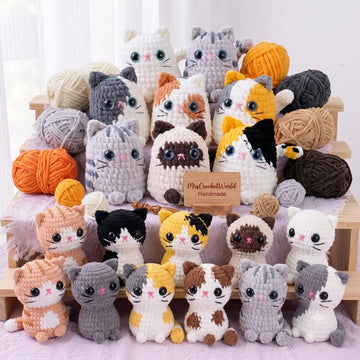
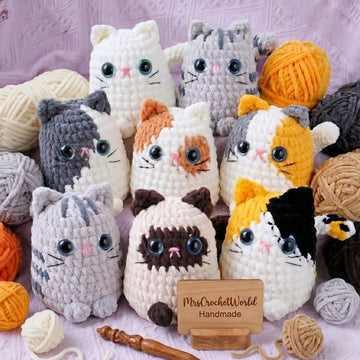
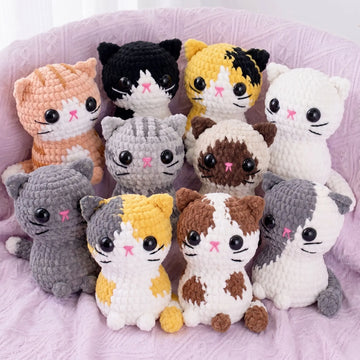
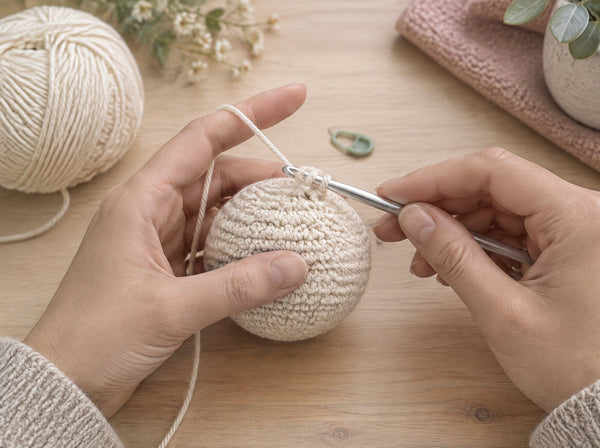
Most popular for beginnersAmigurumi are small crocheted stuffed toys — animals, food, fantasy creatures, you name it. They work almost entirely in single crochet worked in the round, so once you can make a circle you are ready to try one. The real magic is that with no-sew construction you skip the fiddly assembly step: the pieces connect as you crochet, not after. Our complete amigurumi guide explains the style from the ground up, and our 10 easy amigurumi patterns for beginners gives you a shortlist of projects to start with tonight.

Bags & accessories
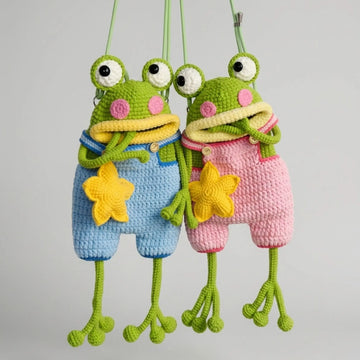
Stylish & sellableCrochet bags have had a serious style moment in recent years — and for good reason. Cotton yarn produces structured, washable totes; granny squares create colour-blocked statement pieces; sturdier jute or basket yarns give you market bags that last for years. If you want to sell your makes, bags rank among the most profitable crochet items at craft markets. Browse our full bags collection for granny-square totes, round bags, and frog purses.

Character & themed bundles
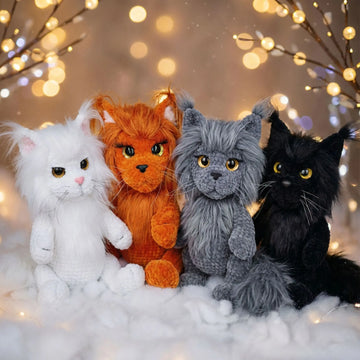
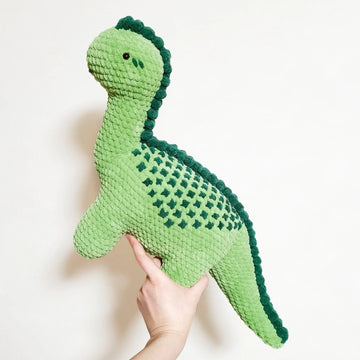
Gift-worthy & collectibleThemed crochet sets — a full dinosaur family, a Zootopia cast, a Pokémon squad — make wonderful gifts and are deeply satisfying to complete as a series. Working multiple characters from one cohesive pattern set helps you build skills quickly because the construction logic repeats across each character. Check our character-inspired patterns for fan-favourite bundles, or read about using faux-fur yarn to give your characters extra texture.
Five more categories to explore
Blankets, wearables, home décor, flowers, and seasonal makes round out the full picture.
Wearables & garments
Scarves and cowls are the classic entry point, but crochet cardigans, crop tops, beanies, and even socks are all achievable once you understand gauge and tension. Browse our cardigan and sweater patterns when you are ready to level up.
Home décor
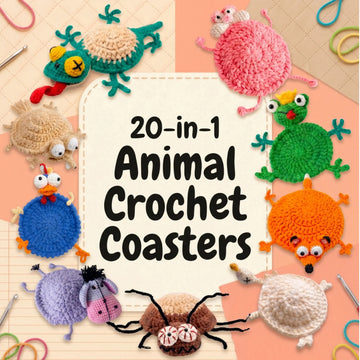
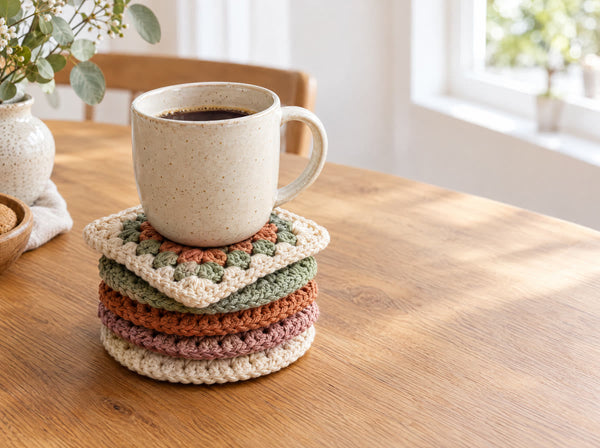
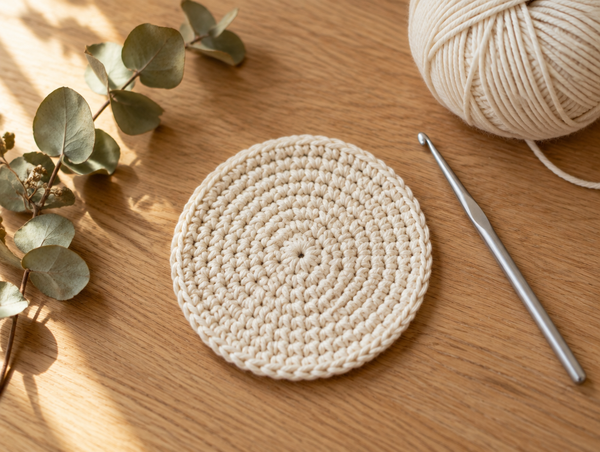
Think crocheted cushion covers, plant-pot hangers, wall hangings, and animal coasters. Home décor projects are brilliant for using up leftover yarn and for practising new stitches — a set of coasters is the perfect sampler. Our animal coasters guide shows how versatile a simple flat round can be.
Flowers & botanicals
Crocheted flowers never wilt and never need watering. Roses, tulips, daffodils, and spring garlands all start from a magic ring and a few simple increases. They make stunning gifts, bouquets, and hair accessories — and are a wonderful way to learn how to crochet in the round.
Seasonal & holiday makes
Christmas ornaments, Halloween amigurumi, Easter egg covers, Valentine hearts — crochet follows the calendar beautifully. Small seasonal items are also great stash-busters and sell extremely well at craft fairs. See our 2026 Christmas pattern roundup and Halloween crochet patterns for curated project lists.
Blankets & throws
Nothing beats the satisfaction of wrapping yourself in something you made stitch by stitch. Blankets do take time — our blanket timing guide sets honest expectations — but the repetitive rows are meditative, and the result is an heirloom. Granny-square afghans let you work in short sessions then join the squares later.
Ready to pick your first project?
If you are still deciding where to begin, our complete beginner guide to crochet walks you through choosing your first project, selecting yarn, and reading a pattern — all in one place. You'll find beginner-friendly patterns across every category above.
6 tips for choosing your next crochet project
- Match yarn weight to project type. Bulky yarn works brilliantly for blankets but feels stiff in amigurumi; fine cotton is ideal for bags and dishcloths but slow for large throws. Check how to choose the right yarn before you buy.
- Start with a project you genuinely want to own or give. Motivation is the most underrated skill in crochet. If you love dinosaurs, start with an amigurumi T-Rex — the emotional payoff keeps you hooked through the tricky bits.
- Pick a pattern that matches your actual skill level. Our skill-levels guide explains what "beginner," "intermediate," and "advanced" mean in practice, with pattern picks for each tier.
- Consider project portability. Amigurumi and accessories travel well — perfect for commuters. Blankets, not so much. Factor in where you will be crocheting most before casting on a huge project.
- Check for a no-sew option when making stuffed toys. Sewing amigurumi parts together is the step most beginners dread. Our no-sew amigurumi techniques article shows you how to avoid it entirely, and our amigurumi pattern collection flags which designs are no-sew.
- Browse free patterns first. Our free patterns collection includes a giraffe, a hedgehog, and more — perfect low-stakes projects for testing whether a category excites you before committing to a full bundle.
What makes crochet different from other crafts for project variety?
Crochet's secret weapon is its structural flexibility. Knitting is a two-needle, predominantly flat craft — even knitted toys require picking up stitches, short rows, and seaming in ways that feel counterintuitive to beginners. Sewing requires cutting fabric and managing seam allowances. Crochet, by contrast, lets you move from flat to three-dimensional simply by where you put the hook, with no tools to swap and no second needle to juggle.
That structural flexibility is exactly why you can make a flat granny square and a spherical amigurumi head using identical stitches — you are simply changing where you insert the hook and how many stitches you increase or decrease per round. Read our guide to amigurumi increases and decreases for a detailed walkthrough of the mechanics. And if you have always wondered how crochet stacks up against knitting as a starting craft, our crochet vs knitting comparison settles the debate with clear, beginner-focused criteria.
Selling what you make
Many crocheters discover that their hobby can also generate income. Amigurumi are consistently strong sellers at craft fairs; bags attract fashion-conscious buyers; seasonal items like Christmas ornaments move fast in November and December. If you are thinking about turning your makes into a small business, our articles on easy projects to sell at craft markets and how to price handmade crochet items give you a practical starting point. Our mega-bundles are also excellent value if you want a large library of sellable designs in one purchase.
Ready to start making something beautiful?
Grab a free pattern to try your first project with zero commitment — then browse our beginner pattern collection when you are ready to expand your skills.
Get a free pattern Shop beginner patternsFrequently asked questions
What is the easiest thing to make with crochet as a complete beginner?
A simple dishcloth or face cloth is often the very first project crochet teachers recommend. You work in rows of single crochet on a flat square — no shaping, no working in the round — so you can focus entirely on keeping an even tension. Once you are comfortable with rows, a beginner amigurumi (like a small ball or simple animal using only single crochet in the round) is a natural and rewarding next step.
Can you make clothes with crochet?
Yes. Crochet garments include scarves, beanies, cowls, crop tops, cardigans, sweaters, shawls, and even socks and swimsuit cover-ups. Wearables do require attention to gauge because the fabric needs to fit a body, so most crochet teachers suggest mastering flat panels and working in the round before tackling a garment. That said, a simple rectangle scarf is technically a garment and is beginner-friendly from day one.
How long does it take to crochet a blanket?
It depends on blanket size, yarn weight, and how long your crochet sessions are. A small baby blanket in bulky yarn can take around 8-12 hours of stitching. A full throw blanket in worsted-weight yarn typically takes 20-40 hours. A king-size heirloom blanket in fine yarn can take well over 100 hours. Working in shorter sessions over several weeks or months is totally normal, and granny-square afghans let you complete the project in small, portable pieces.
What yarn should I use for amigurumi?
Most amigurumi designers recommend a smooth, tightly spun yarn in a light to medium weight (DK or worsted weight) because it shows stitch definition clearly and covers stuffing without gaps. Cotton yarns are popular because they are firm and hold the toy's shape well; acrylic blends are softer against children's skin and very washable. Avoid fluffy or novelty yarns for your first amigurumi — they make it hard to see and count stitches.
Can you make money selling crocheted items?
Yes, many crocheters sell successfully at craft fairs, on Etsy, and through local markets. Amigurumi, bags, seasonal ornaments, and baby items are consistently popular sellers. The key is pricing your work honestly to cover yarn, pattern cost, and your time — a common mistake is underpricing. Focus on items that are quick to make relative to their perceived value, such as small amigurumi or dishcloths, when starting out.
What is amigurumi and is it hard to learn?
Amigurumi is the Japanese art of crocheting small stuffed toys, typically worked in the round in continuous single crochet spirals. It is considered beginner-friendly because it uses just one or two basic stitches and small amounts of yarn. The main skills to learn are the magic ring, single crochet, increases, and decreases — all covered in a single evening of practice. Most beginners successfully finish their first amigurumi within a weekend.
Do you need to sew pieces together in crochet toys?
Traditional amigurumi construction does involve sewing separate pieces (arms, legs, ears) onto the body with a yarn needle. However, no-sew techniques allow you to crochet pieces directly onto the body as you work, eliminating sewing almost entirely. No-sew patterns are ideal for beginners who find assembly intimidating. Many of the patterns in our shop are specifically designed with no-sew or minimal-sew construction.
What crochet projects are good for selling at craft fairs?
The best craft-fair sellers combine quick construction, broad appeal, and low material cost. Top performers include small amigurumi animals, keyrings, seasonal ornaments (especially near Christmas and Halloween), dishcloths, scrunchies, and small bags. Items priced under $20 tend to sell fastest because buyers can make impulse decisions. Having a range of price points — from $5 keyrings to $40 bags — maximises your revenue per customer.