


The Mental Health Benefits of Crochet: Calm, Focus, and Creative Joy
Many makers describe crochet as the hobby that quietly changed how they feel day to day. Whether you reach for your hook to slow down after a hectic shift, to give your hands something purposeful while your mind settles, or simply because making something beautiful is its own reward — crochet may offer far more than a finished object. Here is what so many people find genuinely nourishing about it, and how you can start a practice of your own.

Crochet is more than a hobby
There is something quietly powerful about making things with your hands.
People have been picking up hooks and yarn for centuries — long before anyone thought to study why it felt so good. Today, makers of every experience level describe crochet not just as something they do, but as something that genuinely helps them: with a racing mind at the end of the day, with a restlessness they cannot name, with the need to produce something real and touchable in a world full of screens.
The reasons go deeper than a simple "it's relaxing." When you crochet, you are doing something active with your hands, following a deliberate rhythm, watching a visible result grow from almost nothing, and often connecting with other people around a shared craft. Each of those elements carries its own kind of weight. Together they can make crochet one of the most quietly rewarding forms of creative self-care available to anyone — regardless of age, budget, or creative background.
That said, individual experiences vary widely. Crochet is a hobby, not a medical treatment. What it can be, for many people, is a small but reliable anchor in an otherwise busy life. That is worth paying attention to. This page is part of our Crochet & Wellness hub, which explores every aspect of crochet's role in a balanced, creative life.
"I don't pick up my hook because I have to. I pick it up because twenty stitches in, the rest of the world goes quiet — and that quiet is worth everything."— Ava, MrsCrochetWorld

Why repetitive stitches can feel calming
The rhythm effectThere is something almost meditative about a stitch pattern you know well. Single crochet after single crochet, round after round — the repetition is the point. Your hands learn the motion and your conscious mind is freed to float just above the work, neither fully engaged with a problem nor fully idle. Many makers describe this state as deeply restful.
Repetitive, rhythmic hand movements have long been associated with a quieting of the nervous system. They give the body something concrete to do while allowing the mind to decompress. For people who struggle to sit still without an occupation, crochet may offer a path to stillness that purely passive rest never quite delivers. Projects like our 50 No-Sew Amigurumi Bundle are ideal for this — simple, satisfying stitches that let you sink into the rhythm quickly.

Focus, rhythm, and the one-stitch-at-a-time effect
Gentle concentrationCrochet asks for a specific kind of attention: not the scattered, reactive attention of scrolling through a phone, but a slow, deliberate focus directed at one small action. Count to six. Turn. Count to six again. That narrow attentional channel is genuinely different from most of what daily life demands, and many people find it refreshing precisely because of that difference.
Small, completable projects amplify this effect. When you know a project will be done in an evening — say, one of the twenty animal coaster designs in our Animal Coasters Bundle — you can commit fully to the focused state without worrying that the project will swallow your week. Short makes are excellent starting points for anyone building a crochet self-care practice. Related reading: Crochet for Stress Relief.

Sense of accomplishment and emotional reward
The finished-object feelingThere is a particular satisfaction that comes from holding something you made entirely yourself. A crocheted doll, a set of coasters, a tiny amigurumi bear — these are concrete, physical evidence that you spent your time well and produced something from nothing. That feeling is not trivial. Many makers describe it as a quiet but persistent source of confidence that carries through the rest of their day.
Psychologists sometimes refer to this as "creative accomplishment" — the uplift that comes from completing a self-directed task. Crochet delivers this reliably, in a way that scales gracefully: a small square takes twenty minutes, a princess doll from our Princess Doll Bundle might take an afternoon, and a complex blanket becomes a months-long story. Each finished object is its own reward.
Creativity as a form of self-expression
Not every creative act needs to say something. Sometimes making is the message.
One of the quieter benefits of crochet is that it gives you a private channel of expression that belongs entirely to you. Your color choices, your yarn, the project you chose and why — these small decisions accumulate into something personal. A maker who gravitates toward soft neutrals and slow, careful tension is making something different from the one who reaches for bright scraps and a fast hook, even if they use the same pattern.
This expressive quality can be particularly meaningful during periods when words feel inadequate or unavailable. Many people find that making something with their hands offers an outlet that does not require explanation or articulation. You do not need to justify why you crocheted a flower bouquet at midnight — the making itself was enough.
Crochet also allows for genuine creative growth over time. You begin with basic stitches and simple shapes; you learn to read a pattern; you try a new technique. Each small step forward builds a layer of creative competence that most makers find quietly energizing. For a gentle starting point, our easy beginner patterns are designed to give you early wins without overwhelming you. And if you want a deeper look at crochet and mindfulness, our companion page Crochet and Mindfulness explores that connection in full.
Six crochet hobby benefits makers describe most often
Not medical claims — just what we hear from makers in the community, again and again.
A quieter mind
Many makers describe sitting down to crochet feeling scattered and standing up feeling noticeably calmer. The rhythm and count seem to occupy just enough mental space to crowd out unhelpful loops of thought.
Better evenings
Replacing phone time with hook time in the evenings is a change many crafters mention unprompted. The slower pace and warm light of a crochet session can help some people feel ready for sleep in a way that screens simply do not.
A sense of purpose
Having a project in progress — something that needs you to return to it — gives structure to unscheduled time. Many makers, particularly those going through transitions, describe this as surprisingly grounding.
Handmade connection
Gifting something you made is a different act from buying a present. Many makers describe the act of crocheting for someone as its own source of warmth — a way of saying something with hands instead of words.
Gentle productivity
On days when everything feels too big, crochet offers a small task with a clear end. Finishing even a single row or motif can restore a sense of forward motion that larger obligations cannot.
Creative identity
Being "a person who makes things" is an identity that carries genuine weight for many makers. It shifts self-perception in a small but meaningful way — from passive consumer to active creator.
Ready to start your own crochet self-care practice?
The gentlest entry point is a pattern you can finish in one sitting. Browse our beginner-friendly collection and find something that calls to you — no experience required.
Shop beginner-friendly crochet patterns Try a free pattern firstSocial connection through crochet communities
Crochet is a remarkably social hobby for something you can do entirely alone.
Online crochet communities have grown substantially over the past several years, and the warmth of those spaces is something many newcomers find surprising. People share works in progress, cheer each other through tricky techniques, post photographs of finished objects, and offer encouragement freely. For makers who feel isolated — by circumstance, geography, or simply by the nature of a quiet life — this kind of gentle belonging can feel genuinely meaningful.
In-person crochet circles, whether at a local yarn shop or a community center, offer something slightly different: physical proximity, shared laughter over a dropped stitch, the pleasure of admiring someone else's color choices in person. Many regulars at these groups describe the social time as something they look forward to all week.
The shared language of crochet — stitches, patterns, yarn weights, hook sizes — gives relative strangers an immediate common ground. It is hard to overstate how useful that is. Crochet becomes a reason to show up, and showing up becomes connection. For more on this, see our full page on crochet community and connection.
Crochet during difficult seasons of life
When life is hard, making something small can feel like a meaningful act.
Many makers come to crochet during a difficult period: grief, a health challenge, a major life transition, prolonged stress. They reach for it not because they planned to, but because someone handed them a hook and it helped — or because they needed their hands to do something while the harder parts of life continued around them.
What crochet may offer in these moments is not a solution, but a companion. Something that asks nothing difficult of you, rewards your attention with visible progress, and can be picked up and put down on your own terms. Many people describe the act of making something small — a tiny animal, a cozy square, a simple flower — as a way of asserting that they are still here, still capable, still able to make something good.
Experiences vary, and crochet is not right for every person or every moment. But if you are looking for a gentle, low-barrier activity to return to during a hard season, it is worth trying. Our page on crochet during difficult times offers more specific guidance and ideas.
Beginner-friendly projects for emotional comfort
The best project for emotional comfort is one that is just challenging enough to hold your attention but not so difficult it creates stress. These patterns hit that balance beautifully.

Easy No-Sew Amigurumi Book for Beginners
Perfect starterFifty gentle amigurumi designs with no sewing required — just crochet in the round, stuff, and close. The no-sew construction means fewer steps between starting and holding your finished piece, which is exactly what a comfort project should offer. Ideal for evenings when you want to make something but your patience is thin.
Start with an instant PDF pattern
50 No-Sew Amigurumi Bundle
Great valueWhen you want variety — a different creature every session, each one carrying the same meditative rhythm — this 50-pattern bundle gives you months of projects in a single download. The repetitive, in-the-round construction is consistent across all fifty designs, so once you find your flow on one, the rest feel familiar and calming. Browse the full amigurumi collection for even more options.
Explore amigurumi patternsBuilding a sustainable crochet self-care routine
Small and consistent beats ambitious and occasional every time.
The makers who seem to get the most from crochet as a wellness practice are not necessarily the ones who crochet for the longest stretches — they are the ones who return to it regularly. Twenty minutes most evenings delivers more than a four-hour weekend session once a month, both in terms of creative output and the settling effect that consistent practice can bring.
A few habits that help: keep your hook and current project somewhere visible, not buried in a bag. Choose a project that genuinely excites you rather than the "responsible" choice. Give yourself permission to have multiple projects on the needles — a complex one for engaged evenings, a mindless one for tired ones. And be willing to put the hook down when it stops feeling good. Crochet works best as a choice, not an obligation.
For beginners who want structure, our crochet for beginners wellness guide lays out a gentle week-by-week approach to building the habit. For more on using crochet as a restorative practice, relaxing crochet patterns is full of ideas for projects that prioritize the experience of making over the complexity of the outcome.
Five small ways to make crochet a genuine self-care habit
- Set a tiny daily commitment. Even five minutes counts. Once your hook is in your hand, you will often stay longer — but giving yourself permission to stop after five minutes removes the resistance of starting.
- Match the project to your energy. On depleted days, reach for something repetitive and familiar. Save complex colorwork or construction techniques for days when you have more to give.
- Put the phone in another room. Crochet and phone-scrolling do not mix well. The divided attention removes much of the calming effect. A podcast or quiet music works beautifully; a notification feed does not.
- Celebrate finished objects, however small. Photograph your work. Share it if you feel like it. That act of acknowledgment reinforces the habit loop and extends the sense of accomplishment.
- Keep your project bag visible. Out of sight really is out of mind. A project sitting on the coffee table gets picked up. A project in a bedroom drawer gets forgotten for a week.
Make a handmade gift they'll remember
Some of the best crochet projects are the ones made with someone specific in mind. Browse our pattern bundles and find something to make for the person who deserves a little handmade love.
Explore mega pattern bundles Browse crochet booksFrequently asked questions
Can crochet help with mental health?
Many people describe crochet as a meaningful part of their personal well-being routine. The repetitive hand movements, gentle focus, and sense of accomplishment from finishing a project are things that can help some people feel calmer and more grounded day to day. That said, experiences vary widely, and crochet is a hobby, not a medical treatment. It should not replace professional mental health support when that support is needed.
Is crochet good for anxiety?
Some people find that crochet helps them feel calmer during anxious periods. The repetitive, rhythmic nature of basic stitches may help quiet a busy mind, and having a concrete, absorbing task can redirect attention away from circular worry. Individual responses vary, and crochet is not a clinical intervention. If anxiety is significantly affecting your life, speaking with a healthcare professional is the right first step.
What are the well-being benefits of crochet as a hobby?
Many makers describe a range of benefits from regular crochet: a quieter, less scattered mind; a sense of creative accomplishment; the pleasure of making something handmade for others; social connection through crochet communities; and a feeling of gentle productivity even on difficult days. These are self-reported experiences that vary from person to person, not guaranteed outcomes.
How does the repetitive motion of crochet help some people relax?
Repetitive, rhythmic hand movements give the body something concrete and familiar to do, which many people experience as grounding and calming. The counting involved in crochet also keeps a small portion of conscious attention engaged, which can be helpful for people who find purely passive rest difficult. The result, for many makers, is a state that feels restful without requiring them to simply sit still and do nothing.
Is crochet considered a mindfulness activity?
Crochet shares some qualities with mindfulness practices: attention to the present moment, a rhythmic anchor for wandering thoughts, and a non-judgmental focus on one simple action at a time. Many makers describe something like a meditative state when they crochet. Whether it counts as formal mindfulness practice is a philosophical question, but the practical overlap is real for a lot of people. Our companion page on crochet and mindfulness explores this in more detail.
What crochet projects are best for beginners looking for a calming experience?
The best calming projects are those that are repetitive enough to settle into a rhythm without being so simple they feel pointless. Small amigurumi figures — animals, plush toys, or simple shapes crocheted in the round — tend to work well. They are compact, completable in one or two sessions, and give you a charming finished object to hold at the end. Our no-sew amigurumi patterns are a particularly gentle starting point because the construction is consistent and there are no fiddly assembly steps to interrupt your flow.
Can crochet help with loneliness or social isolation?
Crochet communities — both online and in-person — are genuinely warm, welcoming spaces that many makers describe as an unexpected source of belonging. The shared language of craft gives relative strangers an immediate common ground, and the act of making something for someone else creates a sense of connection even when you are physically alone. For people going through periods of isolation, a crochet community may offer a low-pressure way back into social engagement.
Is crochet a good hobby during difficult life seasons like grief or illness?
Many people reach for crochet during hard periods of life and find it genuinely helpful as a companion activity. It asks nothing difficult, rewards your attention with visible progress, and can be picked up and put down entirely on your terms. Making something small during a difficult time can feel like a quiet assertion of capability and continuity. That said, if you are dealing with significant grief, illness, or emotional distress, please seek appropriate professional support alongside any creative practice you adopt.
Do I need to be creative or artistic to enjoy crochet as a wellness hobby?
Not at all. Many people who describe themselves as "not creative" find crochet profoundly satisfying precisely because following a pattern removes the need for original creative decisions. You simply follow the instructions, stitch by stitch, and something beautiful appears. The creativity comes in gradually — through color choices, project selection, and eventually adaptation — but it is never a requirement for enjoying the process.
More from the Crochet & Wellness hub
This page is part of a larger collection exploring the many ways crochet may support a calmer, more creative life. Continue exploring:
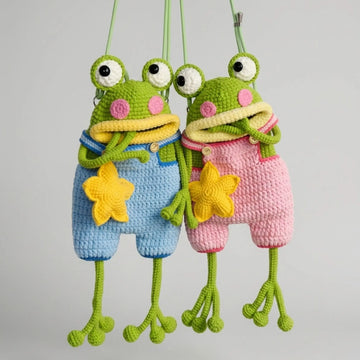
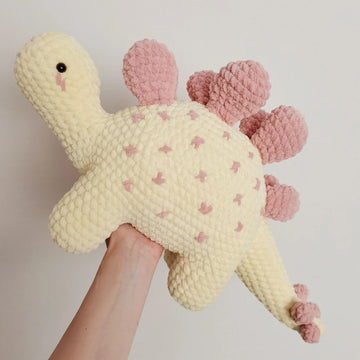
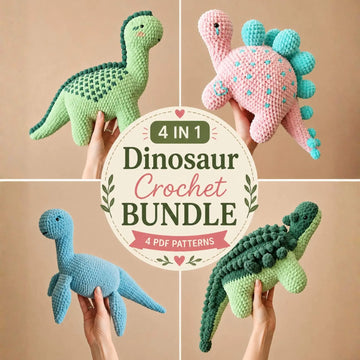
Calming projects to start tonight
Simple, repetitive, soothing — beginner-friendly patterns made for unwinding.

From the Crochet Blog
View all articles →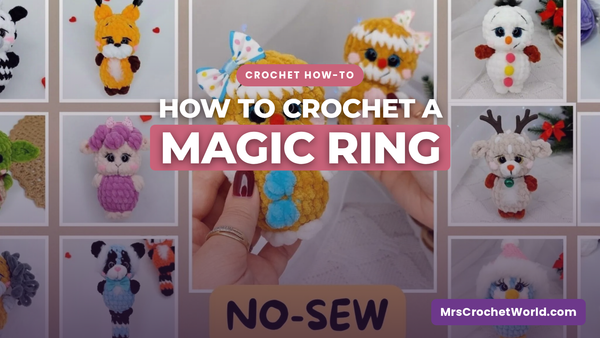
How to Crochet a Magic Ring: A Beginner's Step-by-Step Guide (Plus Fixes for Rings That Unravel)
Crochet How-To How to Crochet a Magic Ring: A Beginner's Step-by-Step Guide (Plus Fixes for Rings That Unravel) Master the adjustable loop that gives amigurumi a...
Read full article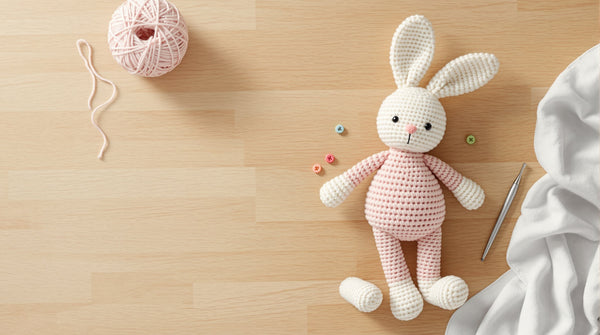
How to Crochet Amigurumi Arms and Legs: Shapes, Placement & Attachment
Wobbly limbs and crooked arms are the number one reason amigurumi looks homemade. Here is the complete system for crocheting even arms and legs and attaching...
Read full article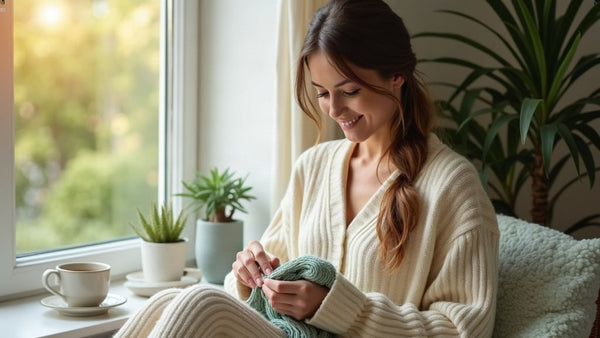
Crochet for Burnout Recovery: A Cozy Reset Ritual to Recharge Your Days
Crochet Wellness Crochet for Burnout Recovery: A Cozy Reset Ritual to Recharge Your Days How a simple hook, soft yarn, and a slow, unhurried rhythm can...
Read full article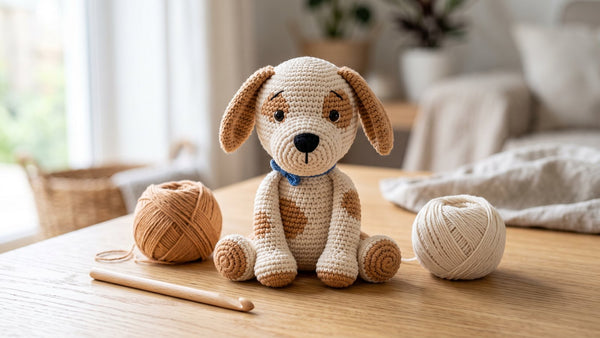
Crochet Dog Pattern: Easy No-Sew Amigurumi Puppy Guide for Beginners (2026)
A complete beginner-friendly crochet dog pattern with free written instructions, no-sew head-and-body construction, assembly guidance and answers to the questions that trip up first-time amigurumi makers.
Read full article