


Crochet for Beginners: A Gentle Creative Hobby to Start One Stitch at a Time
You do not need experience, expensive supplies, or hours of free time. Crochet meets you exactly where you are — and for many people, that quiet, rhythmic making turns out to be just the creative outlet they were looking for.


A few first projects that beginner makers love
There is something genuinely lovely about learning to crochet. You start with a skein of soft yarn, a single hook, and one stitch — and from that single loop, everything else follows. No previous crafting experience required. No expensive setup. Just your hands, your pace, and a pattern you can trust.
Why crochet is a beautiful hobby for beginners
Low barrier, high reward — and it gets more enjoyable the further in you go.
Unlike knitting (two needles, yarn managed on both sides) or embroidery (tiny fabric counts and eye strain), crochet uses a single hook and works one stitch at a time. That simplicity is a genuine advantage for beginners. You are never managing more than one active loop at once, which means mistakes are easy to spot and straightforward to fix. If something goes wrong, you pull back a few stitches, take a breath, and carry on.
Many people who come to crochet as adults say the same thing: they expected to feel frustrated, and instead they found it surprisingly calm. That experience is not unusual. The repetitive hand motion, the texture of yarn, and the gentle focus required to keep count may help some people feel less scattered and more grounded. Creative self-care can look like a lot of things — and for plenty of makers, it looks like a crochet hook and a good pattern.
Explore the broader Crochet and Wellness hub to read more about the emotional side of making, or jump to our guide on crochet for stress relief if that is what brought you here.
"The stitch you learn today is the foundation for every project you will ever make. There is no rush — the yarn will wait." — Ava, MrsCrochetWorld
The emotional benefit of learning slowly
Progress without pressure is the whole point when you are a beginner.
We live in a culture that rewards speed. Finish fast, optimize, move on. Crochet gently pushes back against that. When you are learning a new stitch, you cannot rush without losing the thread — literally. The craft asks you to slow down, and for many people that involuntary deceleration is a surprisingly welcome thing.
Many makers describe the early days of learning to crochet as quietly absorbing: your hands are busy enough that anxious thoughts have less room to spin, but the task is not so cognitively demanding that it becomes stressful. Some find it becomes a form of creative self-care that fits around a busy life — ten minutes during a lunch break, twenty minutes before bed, or a longer stretch on a slow Sunday morning.
It is worth saying clearly: crochet is not medical treatment and should not replace professional support if you are struggling. But as a hobby, it may offer emotional comfort, a sense of accomplishment, and a reason to put the phone down. Those things have real, everyday value — and beginners experience them just as much as experienced makers.
If you are newer to the idea of using creative hobbies as a wellness practice, our page on crochet and mindfulness explores that territory in more depth.
Start here: three beginner-friendly patterns worth making first
Each of these is designed to teach real skills while producing something genuinely lovely to keep or give away.
Easy No-Sew Amigurumi Book for Beginners
Best first bookFifty cute plushie patterns written specifically for people who have never crocheted before. No sewing needed — each design is structured so you build the whole piece as you crochet, which means no awkward assembly and no frustration at the end. Clear step-by-step instructions, plenty of photos, and patterns that get gradually more interesting as your confidence grows. This is the book many makers wish they had started with.
Start with an instant PDF pattern
20-in-1 Animal Crochet Coasters Bundle
Quick winsEach coaster takes about 45 to 90 minutes to finish, which makes them ideal for beginners who want to complete something real before losing momentum. Twenty different animal designs — hedgehogs, frogs, cats, and more — all in one bundle. Working in the round at this small scale builds the exact same skills you will use in larger amigurumi projects later. A set of four matching coasters also makes one of the most appreciated handmade gifts you can give.
Explore animal coaster patterns
50 No-Sew Amigurumi Bundle
Next step upOnce you have finished your first few smaller projects, this fifty-pattern bundle gives you room to explore. Because every design is no-sew, you still get the satisfying simplicity of building as you go — but the range of characters, colors, and techniques keeps the experience fresh for a long time. Great for makers who want a single resource they can return to whenever they are ready for something new. Browse the full range in our easy beginner crochet patterns collection.
One stitch at a time — progress without pressure
Why going slowly is not a problem. It is the point.
One of the most common things beginners say is: "I keep making mistakes." Here is what experienced makers know: that never fully stops. What changes is how quickly you catch mistakes and how little they bother you. Crochet teaches patience in the gentlest way possible — not by lecturing you about it, but by giving you a craft where patience is the only sensible strategy.
A single crochet stitch takes perhaps three seconds. Chain, insert hook, yarn over, pull through, yarn over, pull through again. That is it. The entire language of crochet is built from variations on that same small motion. A beginner who has learned one stitch has learned the foundation of everything else. Everything after that is combination and practice.
If you are the kind of person who tends to measure progress by how much you accomplish rather than how much you enjoy the process, crochet can quietly shift that. Finishing a small square of single crochet for the first time is genuinely satisfying — not because it is useful, but because you made it with your own hands and it did not exist before. That is worth something. For more on what that steady, low-pressure creative practice can offer, see our guide on the mental health benefits of crochet.
Best beginner-friendly project types
Not all projects are equal when you are just starting out. These are the ones worth your time first.
- Small no-sew amigurumi. Stuffed animals and plushies made in the round. The enclosed shape hides imperfect tension, and no-sew designs remove the fiddly assembly step. Ideal for someone who wants to make something adorable from their very first project.
- Animal coasters. Flat, quick, and satisfying. You practice working in the round at a manageable scale, and you end up with something genuinely useful. A great project for anyone who gets impatient waiting to see results.
- Simple scarves and dishcloths. Straight rows of single or double crochet build muscle memory fast. Not as immediately exciting as amigurumi, but excellent for developing even tension — and you can do them while watching television.
- Granny squares. A classic for a reason. Once you can make a granny square, you can join them into bags, blankets, cushion covers, and more. Start with a basic four-round square before moving to more elaborate versions.
- Flower bouquets. Individual crochet flowers are small, forgiving, and can be bundled together into gifts or decorations. Our beginner-friendly crochet patterns collection includes several flower designs well-suited to new makers.
The best first project is always the one that genuinely excites you. A motivated beginner makes faster progress than a dutiful one, so choose something you actually want to make.
Why PDF patterns help beginners learn faster
A well-written PDF pattern is one of the most useful tools a new crocheter can have.
There are plenty of free crochet patterns scattered across the internet, and some of them are very good. But for beginners especially, the quality of a pattern matters more than the price. A clear, well-tested PDF pattern written specifically for beginners gives you something you cannot get from a blog post or a video alone: a complete, portable reference you can return to at any point in the project without losing your place.
Good easy PDF crochet patterns for beginners include stitch counts at the end of each row or round (so you can check your work), a materials list that tells you exactly what you need before you start, photos of the finished piece from multiple angles, and written notes on any tricky transitions. They are designed to answer the question "what do I do next?" without requiring you to search for a supplementary tutorial.
The instant download format also matters. When you decide to start a project at nine in the evening, you can have the pattern on your screen or printed out within minutes. There is no waiting, no shipping, and nothing to lose or damage. All MrsCrochetWorld patterns are available as easy PDF crochet patterns for beginners, with instant access after purchase.
How to choose your first crochet project
A practical framework that takes about two minutes.
Picking a first project does not need to be complicated. Work through these four questions and you will have your answer:
How much time do you realistically have per session? If you can only carve out 30 to 45 minutes at a time, choose something small and completable — an amigurumi animal or a single coaster. If you have longer stretches, a small scarf or a set of granny squares works well.
Do you prefer to make something functional or decorative? Functional beginners often love coasters, dishcloths, or small bags. Decorative makers tend to gravitate toward amigurumi, flowers, or wall hangings. Neither is better — just different motivations.
Will you keep it or give it away? If gifting is on your mind, amigurumi and coasters are both consistently beloved as handmade gifts. If you are making for yourself, choose something you genuinely want on your shelf or in your home. Our handmade crochet gifts guide has ideas worth bookmarking for later.
Are you willing to learn one new technique? Every project teaches something. If you want to learn to work in the round, choose amigurumi or coasters. If you want to understand flat row-by-row construction, choose a dishcloth or scarf. Match the skill to what interests you most right now.
If you want a complete foundation before picking your first pattern, the complete beginner guide to crochet walks through every foundational skill in one place.
Ready to start your first project?
Browse our beginner-friendly crochet patterns — all written clearly for new makers, available as instant PDF downloads.
Shop beginner-friendly crochet patterns Try a free pattern firstRecommended beginner-friendly patterns to try
A curated shortlist based on what new makers tend to love most.
No-Sew Amigurumi Book
Fifty patterns, zero sewing, and a learning curve that feels manageable from page one. The best single resource for a beginner who wants variety and a long-term companion. See the book.
Animal Coasters Bundle
Twenty designs, each completable in one sitting. Perfect for building the habit of finishing projects and understanding in-the-round construction. Explore the bundle.
Princess Doll Bundle
Twelve amigurumi princess dolls in one bundle — a wonderful step up once you have finished your first few simpler pieces. Makes a handmade gift they will remember. Meet the princesses.
50 No-Sew Amigurumi Bundle
When you are ready to go deeper, this fifty-pattern PDF bundle keeps things interesting for months. No sewing, instant download, beginner-friendly from the first pattern. Browse the bundle.
Free Starter Patterns
Not ready to commit? Our free patterns collection includes several beginner-appropriate designs that let you practice the basics without any upfront cost. Get a free pattern.
Full Pattern Library
Once you have caught the crochet bug, the full collection is worth browsing. Filter by difficulty or type to find exactly what suits your skill level right now. Browse all patterns.
Six practical tips for your first week of crocheting
- Start with a 5mm hook and worsted weight yarn. This combination is forgiving, easy to see, and gives you a good feel for how stitches should look. Avoid very thin yarn and tiny hooks until you have some confidence.
- Count your stitches every single round. Losing count is the most common beginner mistake. Place a stitch marker at the beginning of each round and count before moving on. A mismatch is always easier to fix immediately than three rows later.
- Do not grip the hook too tightly. Tight tension makes every stitch harder and tires your hand quickly. Hold the hook loosely, the way you would hold a pencil when writing lightly. If your hand aches after ten minutes, loosen your grip.
- Watch your foundation chain. Most beginners chain too tightly. If the first row is a struggle to work into, your chain is too tight. Practice chaining until it feels natural and even before starting your first project.
- Follow a pattern exactly before customizing. It is tempting to substitute yarn or change colors from the start, but your first run through any pattern should follow the instructions as written. Once you understand how the piece is built, you can adapt freely.
- Finish something before starting something else. Project-hopping is the enemy of the beginner crocheter. Finishing a project — even an imperfect one — builds confidence and teaches you things that never finishing would not. Make one small thing. Then make another.
Make a handmade gift they will remember
Beginner crochet patterns that lead somewhere lovely — cute amigurumi, cozy coasters, and charming dolls, all available as instant PDF downloads.
Start with an instant PDF pattern Explore amigurumi patternsKeep exploring: crochet wellness and beginner resources
Crochet sits at a lovely intersection of creativity, patience, and gentle self-care. If this page has sparked your interest in that broader world, these resources are worth reading next:
- Crochet and Wellness hub — the parent guide covering the full picture of how making can support wellbeing.
- Crochet for stress relief — a focused look at the calming rhythm of repetitive stitching.
- Crochet and mindfulness — how beginner crochet can become a form of present-moment focus.
- Relaxing crochet patterns — a curated guide to projects that are particularly calming to make.
- Complete beginner guide to crochet — the definitive starting point if you want to learn every foundational skill before picking a project.
- Easy beginner crochet patterns — shop the full collection of patterns written for new makers.
Frequently asked questions
Is crochet actually easy for total beginners?
Yes — crochet is one of the more beginner-accessible fiber crafts. It uses a single hook, works one stitch at a time, and requires you to manage only one active loop at a time. That simplicity makes mistakes easy to spot and fix. Most beginners can complete their first small project within a few sessions, especially when following a well-written beginner-friendly pattern.
What supplies do I need to start crocheting?
A 5mm crochet hook and one skein of worsted weight yarn (size 4) are enough to get started. You will also want a pair of scissors and a yarn needle for finishing. That is the entire starter kit. As you progress you may add stitch markers, additional hook sizes, and different yarn weights, but the basics are genuinely minimal and inexpensive.
How long does it take to learn to crochet?
Most people can learn the chain stitch and single crochet in a single sitting — perhaps 30 to 60 minutes. Completing a first recognizable project usually happens within the first week of regular practice. Becoming comfortable with a wider range of stitches, working in the round, and reading patterns confidently typically takes a few months of regular making. There is no set timeline — the pace depends on how often you practice and which projects you choose.
Can crochet help with stress or anxiety?
Many makers describe crochet as a calming, grounding activity. The repetitive hand motion and gentle counting focus may help some people feel less scattered and more present. It can be a meaningful creative self-care practice and a relaxing hobby to build into your day. That said, crochet is not medical treatment and experiences vary — if you are dealing with serious anxiety or mental health challenges, please speak with a qualified healthcare professional.
What is the best first crochet project for a complete beginner?
A small no-sew amigurumi animal or a set of animal coasters are both excellent first choices. They are small enough to finish in a few sessions, teach real skills (working in the round, counting stitches, managing tension), and produce something genuinely appealing. Our Easy No-Sew Amigurumi Book for Beginners is specifically designed for people who have never crocheted before.
Why are PDF patterns better for beginners than YouTube tutorials?
Video tutorials are useful for learning individual stitches, but they are hard to follow mid-project because you have to pause, scroll back, and find your place every few minutes. A well-written PDF pattern is a complete portable reference you can use at any stage of a project without losing your place. Good beginner PDF patterns include stitch counts per row or round, photos, a materials list, and clear written instructions — everything in one place.
Do I need to know how to sew to crochet amigurumi?
Not necessarily. No-sew amigurumi patterns are structured so that you build the entire piece as you crochet, without any separate assembly at the end. They are ideal for beginners who want to make cute plushies without the frustration of attaching small parts. The Easy No-Sew Amigurumi Book for Beginners and the 50 No-Sew Amigurumi Bundle both use this approach throughout.
How much does it cost to get started with crochet?
A basic starter kit — one hook, one skein of yarn, scissors, and a yarn needle — typically costs between ten and twenty dollars depending on your location and where you shop. Many makers start with a free pattern from our free patterns collection to keep the initial investment as low as possible. Crochet is genuinely one of the most affordable creative hobbies available.
Can older adults or seniors learn to crochet?
Absolutely. Crochet is a hobby that suits a wide range of ages and abilities. Larger hooks and thicker yarn can make stitches easier to see and handle, which is helpful for anyone with reduced dexterity or vision changes. Many people pick up crochet for the first time in retirement and find it deeply satisfying. Our guide on crochet for seniors covers practical tips and project ideas for older learners.
A note on wellness: This information is for general inspiration and educational purposes only. Crochet can be a meaningful creative hobby, but it is not medical treatment and should not replace advice from qualified healthcare professionals.
Calming projects to start tonight
Simple, repetitive, soothing — beginner-friendly patterns made for unwinding.

From the Crochet Blog
View all articles →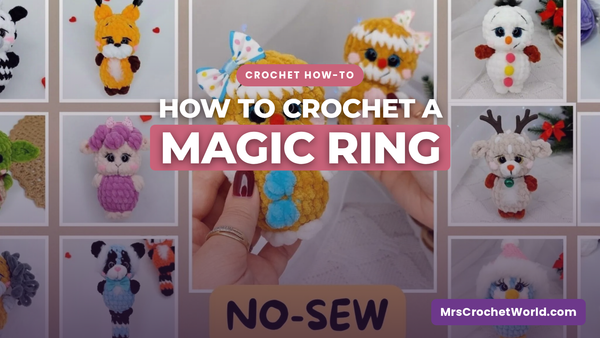
How to Crochet a Magic Ring: A Beginner's Step-by-Step Guide (Plus Fixes for Rings That Unravel)
Crochet How-To How to Crochet a Magic Ring: A Beginner's Step-by-Step Guide (Plus Fixes for Rings That Unravel) Master the adjustable loop that gives amigurumi a...
Read full article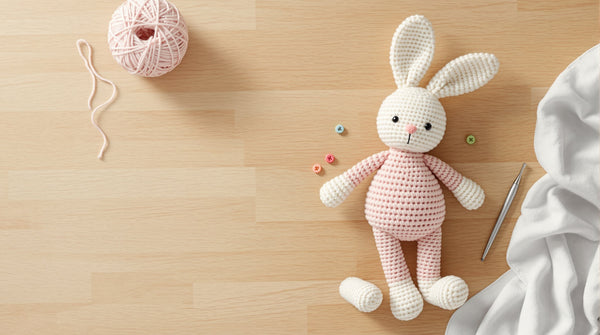
How to Crochet Amigurumi Arms and Legs: Shapes, Placement & Attachment
Wobbly limbs and crooked arms are the number one reason amigurumi looks homemade. Here is the complete system for crocheting even arms and legs and attaching...
Read full article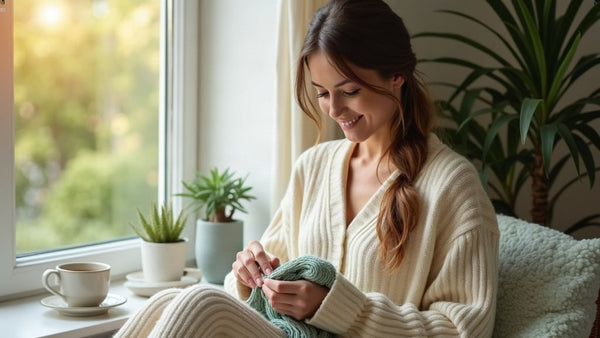
Crochet for Burnout Recovery: A Cozy Reset Ritual to Recharge Your Days
Crochet Wellness Crochet for Burnout Recovery: A Cozy Reset Ritual to Recharge Your Days How a simple hook, soft yarn, and a slow, unhurried rhythm can...
Read full article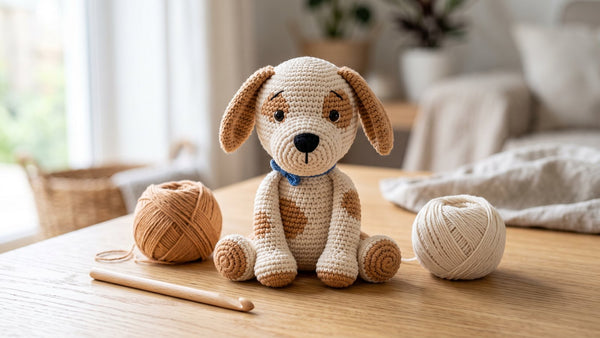
Crochet Dog Pattern: Easy No-Sew Amigurumi Puppy Guide for Beginners (2026)
A complete beginner-friendly crochet dog pattern with free written instructions, no-sew head-and-body construction, assembly guidance and answers to the questions that trip up first-time amigurumi makers.
Read full article