


Crochet for Stress Relief: Why Repetitive Stitches Feel So Calming
There is something almost hypnotic about the rhythm of hook and yarn. Discover why so many makers reach for their crochet when the world feels loud — and how a relaxing crochet project may help you find a quieter hour in your day.

Pick up a crochet hook on a frantic Tuesday evening and something shifts. The noise in your head gets a little quieter. Your shoulders drop. Within a few rounds, the to-do list is still there — but it has somehow moved to the background. Makers describe this feeling so consistently that it has become one of the most common reasons people stick with crochet long after the novelty wears off.
This page looks honestly at why that shift happens, which types of relaxing crochet projects tend to support it best, and how to build a small screen-free evening ritual around crochet without turning a hobby into another item on the list. It also shares some beginner-friendly patterns that are genuinely well-suited to winding down — soft projects you can pick up tired and put down satisfied.
Why stress makes people crave calming routines
When your nervous system is running hot, it looks for a way to brake.
Modern stress is rarely the sharp, short-burst kind the body evolved to handle. It tends to be low-level, persistent, and mental — a background hum of unfinished tasks, notifications, and ambient uncertainty. The body stays slightly tense for hours, and the mind keeps scanning for problems even when there is nothing urgent to solve.
People naturally gravitate toward activities that interrupt this loop: a walk, a bath, cooking something from scratch, or a hobby with a clear, satisfying rhythm. What these activities share is that they ask the hands and the attention to do something concrete and finite. They anchor you to the present moment without requiring you to perform, achieve, or be assessed.
Crochet fits this profile unusually well. The hook moves in a repeating arc. Each stitch has a beginning and an end. You can see the work growing in your hands, which provides small, frequent signals that something is being completed — a rare feeling when most modern work is invisible and never quite finished.
Explore the broader context on our Crochet & Wellness hub, or read how makers specifically describe the mental shift in our companion page on the mental health benefits of crochet.

50 No-Sew Amigurumi Patterns Bundle
Relaxing pickWhen you want a project that stays genuinely easy from start to finish, no-sew amigurumi are hard to beat. No assembly puzzle at the end — just rounds of calm, meditative stitching until you have a finished creature in your hands. Fifty beginner-friendly animal designs, one instant PDF download.
Start with an instant PDF patternThe rhythm of crochet and why it matters
Repetition is not monotony — it is a tool for finding stillness.
There is a reason lullabies repeat, rocking chairs rock, and ocean waves work so well as sleep sounds. Rhythmic, predictable patterns have a noticeable effect on how the body perceives its own state. Crochet taps into the same mechanism.
Each stitch sequence — yarn over, insert hook, pull through, complete — runs in a short, consistent cycle. Once your hands know the movements, you do not have to think about them. The conscious brain can let go of directing and instead simply observe: counting stitches, noticing the color in the light, feeling the yarn move. Many makers describe this state as the closest they get to a meditative moment in their daily life, even if they have never tried sitting meditation and would not think to call it that.
What makes crochet distinct from knitting in this context is the single active point. Because you hold only one hook instead of two needles, there is a satisfying click-and-pull simplicity to the motion. Beginners can often reach that comfortable rhythm after just a few sessions — a far shorter learning curve than many other crafts with similar payoffs.
Projects that use simple repeating stitches — single crochet in the round, a granny square, a basic ripple — are particularly well-suited to stress relief crochet because they keep the hands busy without demanding planning or problem-solving. You get the rhythm without the cognitive overhead.
"Ten minutes of crochet at the end of a hard day will not fix everything — but it will almost always leave you feeling at least a little more like yourself."— Ava, MrsCrochetWorld
Hands, yarn, and tactile focus
Touch is an underestimated anchor for an anxious mind.
A significant part of what makes crochet calming is purely physical. Your fingertips are in constant contact with something tangible: the smooth slide of yarn through your fingers, the slight resistance as the hook catches a loop, the growing weight of the work in your lap. This continuous sensory input gives the brain something real and present to track, which can interrupt the rumination loops that keep stress alive.
Yarn weight and texture matter here more than most beginners realise. A soft, bulky yarn crocheted with a large hook offers a noticeably different sensory experience than fine cotton thread. Many makers describe reaching for their softest yarn specifically when they want to wind down — the tactile comfort becomes part of the ritual. Chunky velvet yarn, plush acrylic, or a silky cotton blend each create their own mood.
Color choice also plays a quiet role. Working with colors you genuinely love — whether that is a calm sage green, a warm terracotta, or a cheerful sunflower yellow — adds a small but consistent visual pleasure throughout the session. These are not medical effects; they are the small sensory kindnesses that distinguish a hobby you look forward to from one you merely tolerate.

Easy No-Sew Amigurumi Book for Beginners
50 patternsFifty super-simple plushie patterns written specifically for beginners who want a satisfying, low-frustration make. Clear step-by-step instructions, no finishing seams, and plenty of variety to keep things feeling fresh across many relaxing evenings. Available as an instant digital download.
Make a handmade gift they will rememberSmall progress creates emotional reward
Every finished stitch is a tiny win — and tiny wins add up.
One of the more quietly powerful aspects of crochet for stress relief is how frequently it delivers a sense of completion. In a single hour, you might finish a dozen rounds, complete an entire coaster, or get halfway through a small amigurumi head. Each of these represents visible, tangible progress — something you made, with your own hands, that did not exist an hour ago.
This matters because prolonged stress often comes with a feeling of being overwhelmed and behind. When everything feels too large to finish, the emotional system stays in a low-level alert state. Activities that provide small, frequent completions can offer a gentle counterweight to that feeling. You are not solving the big things — but you are demonstrating to yourself, repeatedly, that you can begin something and see it through.
Smaller projects amplify this effect. A coaster, a small amigurumi animal, a washcloth, or a granny square — projects you can realistically finish in one or two evenings — offer the complete satisfaction arc from casting on to weaving in the last end. That arc, experienced regularly, builds what some makers describe as a quiet sense of competence and follow-through that gradually extends beyond the craft itself.
See our guide to relaxing crochet patterns for a curated list of projects sized for exactly this kind of evening wind-down. If you are new to crochet and want to build this habit from the ground up, crochet for beginners & wellness is a good starting place.
Crochet as a screen-free evening ritual
The hour before bed is some of the best crochet time of the day.
Most of us spend the final hour before sleep doing exactly the wrong things for the nervous system: scrolling a bright screen, catching up on work email, watching something stimulating, or refreshing the news. The blue light, the variable-reward mechanics of social media, and the cognitive engagement all keep the brain running at a pace that makes it hard to wind down when you finally close the device.
Crochet offers a natural alternative. It is screenless by nature. It asks you to focus on something physical, present, and slow-paced. The movements are repetitive rather than unpredictably stimulating. You can do it while listening to a podcast, an audiobook, or soft music — or in comfortable silence. And because progress is visible, you often feel a quiet satisfaction before you set the work down, rather than the slightly hollow feeling that follows a long phone scroll.
Building a simple evening crochet ritual does not require much. A comfortable chair, a project bag within reach, and fifteen to thirty minutes you have loosely committed to using your hands instead of a screen. The ritual becomes its own signal to the nervous system over time: this is when we slow down.
Keeping the project simple is key. An evening wind-down session is not the moment for a pattern that requires counting every row or consulting a chart. Reach for something rhythmic and familiar — a granny square in your favorite color, a round of amigurumi body, or a coaster for a future gift. The work itself is almost secondary to the act of making.

20-in-1 Animal Crochet Coasters Bundle
BestsellerTwenty distinct animal coaster designs in a single PDF — quick enough to finish in one sitting, satisfying enough to reach for every evening. Each design is beginner-friendly, written in clear US terms with step-by-step photos. The perfect project for a screen-free wind-down ritual that still leaves you with something genuinely useful at the end.
Explore animal coaster patternsBest relaxing crochet projects for stress relief
Not every project is equally well-suited to winding down. Here is what to reach for on a tired evening.
The most calming crochet projects share a handful of qualities: they use stitches you already know, they do not require frequent pattern consultation, they have a satisfying rhythm, and they produce something visibly complete in a reasonable amount of time. Below are the project types that makers consistently return to when they want to crochet for relaxation rather than challenge.
Granny squares
The classic relaxing crochet project. Once your hands know the sequence, a granny square almost works itself. Stack a few evenings of quiet stitching and you have enough for a bag, a blanket border, or a cheerful handmade gift.
Small amigurumi
A single amigurumi body or head in the round — steady, rhythmic increases then decreases — delivers a surprisingly meditative session. Choose a simple animal and let the rounds carry you. Browse the full amigurumi collection for ideas.
Animal coasters
Fast enough to finish in one sitting, useful enough to justify making a whole set. Animal crochet coaster patterns are a perfect beginner stress-relief project with instant visible results.
Flower motifs
A crochet flower takes fifteen to thirty minutes and asks very little from your attention. Working through a set of different flower designs one evening at a time can feel genuinely restorative — beautiful and fast.
Simple scarves and cowls
Row after row of double crochet in a beautiful yarn is almost meditative. No shaping, no complicated counting — just the soft swing of the hook and a project that grows visibly with every session.
Washcloths and dishcloths
Often overlooked but genuinely satisfying. A cotton dishcloth in half-double crochet is one of the most beginner-accessible and rhythmically calming projects you can make — and highly practical too.
Find your perfect relaxing crochet project
Browse our beginner-friendly patterns and bundles — all available as instant PDF downloads so you can start tonight.
Shop beginner-friendly crochet patterns Try a free pattern firstTips for making crochet a genuine stress-relief habit
Small habits are more durable than ambitious plans.
- Keep your project bag visible. A project sitting out on the coffee table is far more likely to get picked up than one buried in a drawer. Out of sight is out of habit.
- Choose your yarn deliberately. On a stressful day, reach for your softest skein and your favorite color. The sensory experience is part of what makes crochet relaxation work, not just a bonus.
- Set a low threshold. Committing to just ten minutes is enough. You will almost always keep going once you start — but removing the pressure to do a full session makes it easier to begin on difficult evenings.
- Match the project to the mood. On an ordinary tired evening, a simple rhythmic project works beautifully. Save the challenging, chart-heavy pattern for a rested weekend morning when you have the bandwidth to enjoy solving it.
- Put the phone in another room. Even notifications in your peripheral vision interrupt the meditative quality of the session. The crochet is the screen-free break — protect it.
- Build a small ritual around it. A specific mug of tea, a favorite playlist, a particular chair — surrounding your crochet time with small pleasant associations helps your mind recognize the signal faster over time.
- Give yourself permission to make something imperfect. Stress-relief crochet is not about the flawless finished object. It is about the process. A slightly uneven tension on a practice square counts as a win if it gave you a calmer half-hour.

Princess Crochet Doll Bundle — 12 Amigurumi Patterns
Handmade gift ideaTwelve enchanting princess amigurumi designs in one bundle — each one detailed enough to feel rewarding, simple enough to pick up on a tired evening. Beautiful cozy crochet patterns that work just as well for a personal creative session as they do for a gift someone will treasure for years.
Make a handmade gift they will rememberMore from the Crochet & Wellness series
This page is part of a broader collection exploring how crochet can support creative well-being. Each topic is explored on its own page — read as many or as few as feel relevant to you.
Ready to start your next cozy crochet project?
Instant PDF patterns — download tonight, stitch tomorrow. No waiting, no shipping. Just you, your hook, and something lovely taking shape in your hands.
Explore amigurumi crochet patterns Shop mega bundles and saveFrequently asked questions
Does crochet actually help with stress?
Many makers describe crochet as a meaningful way to feel calmer at the end of a difficult day. The repetitive, rhythmic motion of stitching can help some people shift attention away from anxious thoughts and toward something concrete and present. Experiences vary widely from person to person — and crochet is not a medical treatment. If you are dealing with significant stress, anxiety, or a mental health condition, please speak with a qualified healthcare professional.
What are the most relaxing crochet patterns for beginners?
Patterns that use a small number of familiar stitches in a repeating sequence tend to be the most relaxing for beginners: granny squares, simple amigurumi animals worked in the round, small coasters, and basic scarves in double crochet. The goal is a project your hands can follow without constant pattern consultation. Our beginner-friendly collection and free patterns section are good starting points.
How long should I crochet each day to feel the calming benefits?
There is no set prescription, and the right amount varies for everyone. Many makers find that even ten to fifteen minutes of focused stitching at the end of the day is enough to notice a shift in how they feel. Others prefer longer sessions on weekends. Starting small and building the habit gradually tends to work better than committing to long sessions right away.
Is crochet or knitting better for stress relief?
Both crafts have passionate advocates in the wellness crochet community, and both offer rhythmic, repetitive movement. Crochet uses a single hook and works one active stitch at a time, which some people find simpler to pick up and less easy to drop mid-row. Knitting uses two needles and has a different hand position and rhythm. The best choice is whichever one you enjoy enough to actually sit down with regularly.
Can I use crochet as a form of mindfulness?
Yes, many makers intentionally use crochet as an informal mindfulness practice — focusing on the sensation of yarn moving through the fingers, the sound of the hook, the visual rhythm of stitches forming. You do not need any formal meditation background to approach crochet this way. Simply slowing down and paying attention to the physical experience of stitching is enough. Our page on crochet and mindfulness explores this in more depth.
What yarn is best for a calming crochet hobby?
For a relaxing crochet session, reach for yarn you genuinely enjoy touching. Soft acrylic or a plush cotton blend in a color you love will feel noticeably different from a rough or scratchy yarn. Many stress-relief crochet fans gravitate toward chunky or bulky weight yarn because the stitches are large and satisfying, the project grows quickly, and the larger hook requires less precise hand movements.
Are there crochet projects specifically good for evening relaxation?
The best evening crochet projects are ones you can pick up tired and put down satisfied — without needing to consult a chart or carefully count every row. Animal coasters, simple amigurumi rounds, basic granny squares, and small dishcloths all fit this profile well. These are projects where the rhythm carries you rather than the other way around.
Can crochet help with sleep?
Many makers report that an evening crochet session helps them wind down before bed, particularly when used as a screen-free alternative to phone or television time. The physical focus, low stimulation, and sense of completion may help some people transition more smoothly into rest. This is not a medical claim, and results vary. If you have ongoing sleep difficulties, a healthcare professional can offer proper guidance.
How do I start a crochet stress-relief habit if I am a complete beginner?
Start with a free or low-cost beginner pattern — a simple granny square or a small no-sew amigurumi animal — and give yourself permission for your first few projects to be practice rather than perfection. The goal in the early sessions is to learn the movements well enough that your hands begin to work without constant conscious direction. That is when the calming rhythm really kicks in. Our free patterns collection is a great first step.
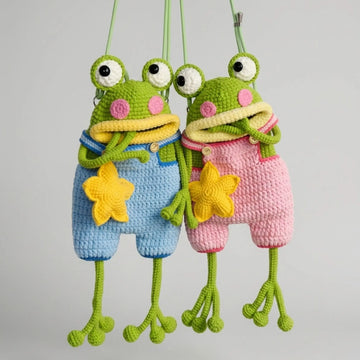
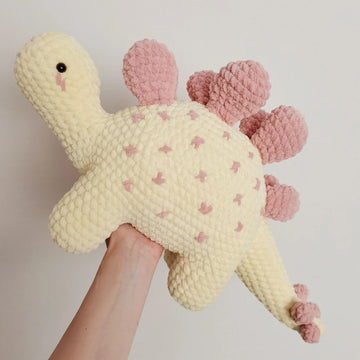
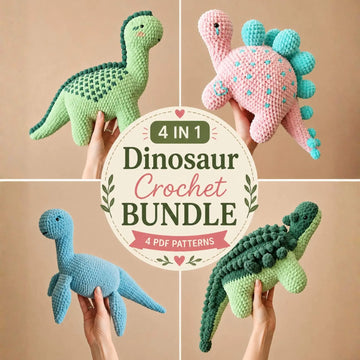
Calming projects to start tonight
Simple, repetitive, soothing — beginner-friendly patterns made for unwinding.

From the Crochet Blog
View all articles →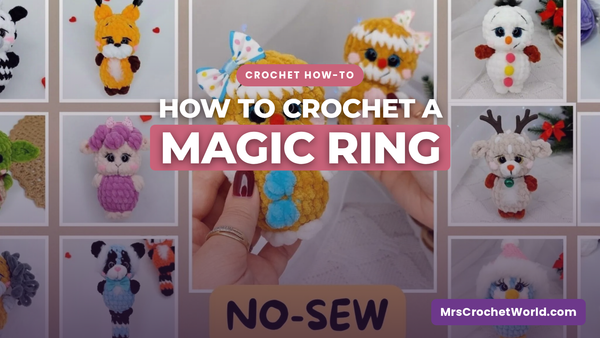
How to Crochet a Magic Ring: A Beginner's Step-by-Step Guide (Plus Fixes for Rings That Unravel)
Crochet How-To How to Crochet a Magic Ring: A Beginner's Step-by-Step Guide (Plus Fixes for Rings That Unravel) Master the adjustable loop that gives amigurumi a...
Read full article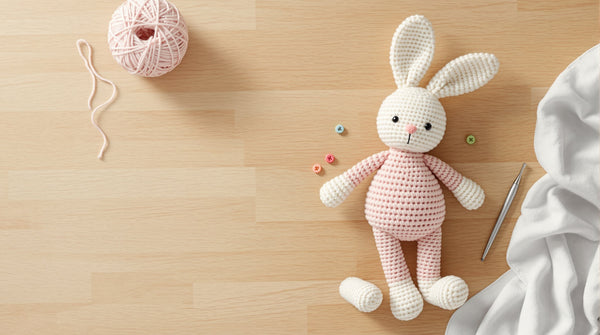
How to Crochet Amigurumi Arms and Legs: Shapes, Placement & Attachment
Wobbly limbs and crooked arms are the number one reason amigurumi looks homemade. Here is the complete system for crocheting even arms and legs and attaching...
Read full article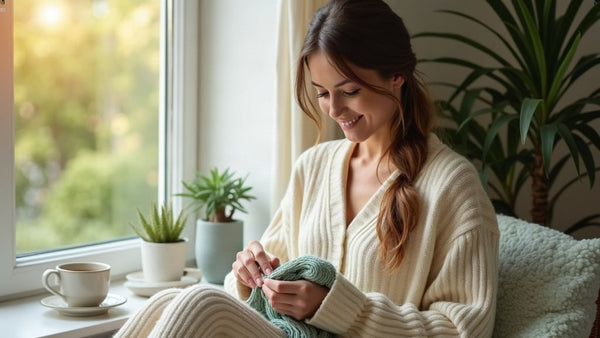
Crochet for Burnout Recovery: A Cozy Reset Ritual to Recharge Your Days
Crochet Wellness Crochet for Burnout Recovery: A Cozy Reset Ritual to Recharge Your Days How a simple hook, soft yarn, and a slow, unhurried rhythm can...
Read full article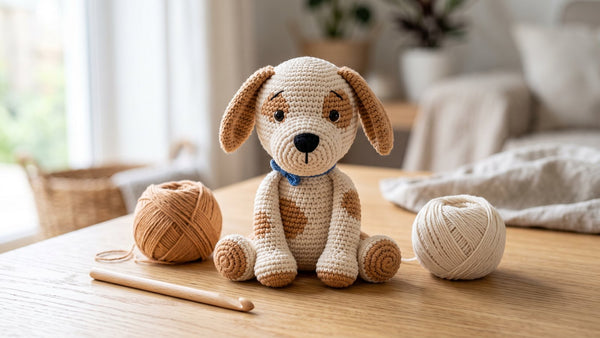
Crochet Dog Pattern: Easy No-Sew Amigurumi Puppy Guide for Beginners (2026)
A complete beginner-friendly crochet dog pattern with free written instructions, no-sew head-and-body construction, assembly guidance and answers to the questions that trip up first-time amigurumi makers.
Read full article