Most Profitable Crochet Items to Sell (Best Return Per Hour)
Not all crochet projects are created equal when it comes to selling. These are the items that earn the most per hour of your time — so you can turn your hobby into real income.


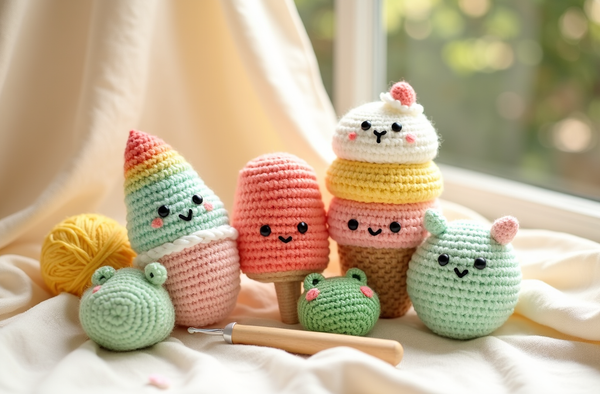
A peek at what you can make
If you've ever finished a beautiful crochet piece, admired it for ten seconds, and then stared at a pile of yarn wondering, "Could I actually make money from this?" — the answer is yes. But the key is choosing the right items. Crochet sellers who earn consistently don't just make what they love; they make what sells fast and pays well per hour spent hooking.
Why "profit per hour" beats "profit per item"
A $60 wall hanging sounds amazing — until you realize it took 15 hours to make.
The real metric every crochet seller should track is earnings per hour of work. A $15 amigurumi keychain that takes 45 minutes to make pays you $20/hour. A $55 throw blanket that takes 12 hours pays you less than $5/hour — well below minimum wage once you count yarn costs.
Before you fall in love with a project for your shop, do this quick math: (sale price − material cost) ÷ hours worked = your hourly rate. Aim for at least $15–20/hour if you're selling at craft markets, and higher if you're selling online where platform fees apply. For a deeper dive into setting your numbers, read our guide on how to price handmade crochet items.
Amigurumi: the reigning champion of crochet sales
Small, fast, and irresistibly cute — amigurumi punch well above their size when it comes to profit.
Amigurumi are crocheted stuffed animals or character toys, typically worked in the round with a tight tension to hide the stuffing. They sell at craft fairs, online marketplaces, and pop-up shops for anywhere from $15 to $60+ depending on size and complexity. A simple animal figure — say, a small bunny or a chubby dinosaur — can be finished in two to four hours by an experienced crocheter.
What makes amigurumi especially profitable is that once you learn the basics of amigurumi construction, you can replicate the same pattern dozens of times. Batch-making the same design reduces your per-unit time significantly. Make five bunnies in a session and you'll be faster on the fifth than you were on the first.
If you want to skip the cost and guesswork of developing patterns yourself, our amigurumi pattern collection gives you tested, detailed, low-sew designs ready to make and sell (always check individual pattern licenses first). Our no-sew amigurumi techniques guide is also a game-changer for speeding up production — no sewing means less time per piece.
Crochet bags and totes: high value, fast return
People will happily pay $35–80 for a handmade bag they can use every day.
Bags are one of the most dependable sellers in the crochet market. Granny square totes, market bags, and bucket bags have all trended strongly in recent years, and buyers understand that a well-made handmade bag is worth paying for. Material costs stay low — a cotton bag can use less than $6 of yarn — while sale prices can comfortably reach $40–70.
The sweet spot is a medium-sized tote worked in cotton yarn. It's sturdy, washable, and looks professional. If you can complete one in four to six hours, you're looking at a solid return. Granny square designs are especially popular because the colorful visual complexity reads as high effort to buyers, even when the individual squares are quick to make. See our full tutorial on how to crochet a granny square for technique refreshers.
Small accessories: quick wins for craft fair tables
Keychains, coasters, and scrunchies fill your display table and keep cash flowing all day.
If you're selling at a craft market, you need items at every price point. Small accessories — keychains, coin purses, cup cozies, headbands, bookmarks — are your under-$20 impulse buys. They're quick to make (often 20–60 minutes each), require minimal yarn, and customers grab them as gifts or add-ons.
Animal coasters are a particularly clever choice: they're functional, cute, and you can make a full set of four in an afternoon. Buyers love gifting them. They also photograph beautifully for online shops. Browse the ultimate animal coasters guide for pattern inspiration.
Scrunchies are another quick-win item. A single skein of bulky velvet yarn makes several scrunchies, each completed in under 30 minutes. They retail for $6–12 each and customers often buy two or three at once.
"The secret to a profitable crochet shop isn't making everything — it's making the right things, repeatedly and joyfully." — Ava, MrsCrochetWorld
Digital patterns: the scalable income stream
Sell a pattern once, earn from it forever — no shipping, no inventory, no limit.
If you're ready to level up beyond handmade items, selling your own crochet patterns is the most scalable way to earn from your craft. You design and write a pattern once, upload it as a PDF, and it can sell thousands of times with zero additional labor. Platforms like Etsy and your own website both work well for digital pattern sales.
The challenge is writing clear, tested patterns that beginners can follow. But the payoff is enormous: a well-optimized pattern listing can earn passively for years. Read our full breakdown of how to sell crochet patterns on Etsy if this path interests you.
Not ready to write patterns yet? You can still earn from digital products by purchasing bundles with commercial licenses and selling the finished items — always verify what each pattern license permits. Our mega bundle collection includes some of the most versatile pattern sets available.
What to avoid: low-return traps
Some beloved crochet projects are money losers in disguise.
Blankets and afghans are stunning — but they're almost never profitable at craft fair prices unless you charge $120 or more, which many buyers resist. The yarn alone for a full-size blanket can cost $30–60, and the labor runs 15–30+ hours. Unless you have a premium clientele willing to pay $200 for a throw, blankets are better kept as gifts or portfolio pieces.
Similarly, heavily embellished items with lots of color changes, intricate stitch textures, or tiny details look impressive but slow your output dramatically. If you're spending an hour on decorative details that add $3 of perceived value, that's time better spent on a second amigurumi.
The legality of selling items made from patterns is also something every seller should understand before building a product line — most patterns allow it, but not all.
Top patterns to start selling right now
These three products are among the best-selling, most versatile options in our shop — all designed to be beginner-friendly and market-ready.
50 No-Sew Amigurumi Patterns Bundle
Best for high-volume productionFifty tested amigurumi designs in one download, all using no-sew construction so you can move faster between pieces. Perfect for craft fair sellers who want variety without the seaming time. Each pattern includes US terms and step-by-step instructions.

9 Modern Crochet Bag Patterns Bundle
Best for consistent sellersNine bag designs ranging from simple granny square totes to structured market bags. Bags consistently command strong retail prices and this bundle gives you a full product line. Pair with the right cotton yarn for a clean, professional finish buyers love.

20-in-1 Animal Crochet Coasters Bundle
Best impulse-buy productTwenty animal coaster designs in one bundle — ideal for filling your craft table with quick-to-make, giftable items at an accessible price point. Sets of four sell especially well. Each coaster works up in under an hour and uses minimal yarn, making your craft market setup profitable from the first hour of selling.
Six crochet items worth selling (and why)
A practical shortlist to help you decide what to make next for your shop.
Amigurumi animals
Fast, cute, and high-margin. A small animal worked in worsted weight cotton can be done in two to three hours and sells for $20–45. Animals with seasonal themes (Easter bunnies, Halloween cats) sell especially fast.
Granny square tote bags
Strong perceived value, low material cost. Shoppers recognize the handmade quality and are happy to pay $40–70. Use cotton yarn in trending colorways for best results at markets and on Etsy.
Chunky scarves and cowls
Super bulky yarn plus a simple stitch pattern equals a finished scarf in two to three hours. Great for holiday markets. Keep colorways neutral for widest appeal and batch-make in sets of six or more.
Crochet flower bouquets
A trending gift item that photographs beautifully. Individual flowers work up in 30–60 minutes, and a bouquet of five to seven flowers bundled together can retail for $35–55. No wilting, no water needed — buyers love the concept.
Cup cozies and coasters
Ultra-quick projects ideal for under-$15 price points. A cup cozy takes under an hour; a set of four coasters takes an afternoon. Stock these as add-ons and impulse buys — they help your average transaction size at craft fairs.
New to selling crochet?
Start with our complete beginner's guide to crochet to build the skills you need before taking on paid commissions. Confidence in your technique is the foundation of a trustworthy, profitable shop.
Tips for maximizing your crochet sales income
- Batch production saves time. Make five or ten of the same item in one sitting. Your speed improves with each repetition, lowering your per-item labor time and lifting your effective hourly rate.
- Choose yarn strategically. Acrylic is affordable and durable for most items, but cotton elevates bags and kitchen items. Understand the difference — read our cotton vs acrylic yarn guide before stocking up in bulk.
- Photography makes or breaks online sales. Natural light, a clean background, and a few lifestyle shots (the bag held, the plushie in a child's hands) convert browsers into buyers. Our amigurumi photography guide covers the basics.
- Track your time honestly. Use a phone timer for every project. Most crocheters dramatically underestimate how long things take, which leads to underpricing. Honest time-tracking is the foundation of a sustainable shop.
- Start with a tight product line. Trying to sell 30 different items spreads your inventory thin. Start with three to five well-tested designs, master them, and expand slowly once you know what your audience loves.
- Know your licensing rights. Before selling finished items from a pattern, confirm the pattern's commercial license. Many indie designers allow it; some don't. Our guide to selling items made from patterns covers what to look for.
Ready to start crocheting for profit?
Grab one of our free patterns to practice before you commit to a product line — then explore our beginner-friendly designs built for fast, repeatable production.
Get a free pattern Shop beginner patternsFrequently asked questions
What crochet items sell best at craft fairs?
Small to medium items in the $15–50 range sell best at craft fairs. Amigurumi, granny square bags, chunky scarves, and small accessories like keychains and coasters move quickly because buyers can easily justify the price as a gift or treat. Avoid large items like blankets unless you have a premium market willing to pay full value for the labor involved.
How do I price crochet items fairly without underselling myself?
Calculate your cost of materials, decide on an hourly rate you are comfortable with (at least $15–20 per hour as a starting point), multiply your hours by that rate, and add the two together. Then check comparable listings online to make sure your price is competitive. Never price below your material cost — that is always a loss. For detailed guidance, read our full article on how to price handmade crochet items.
Can I sell crochet items made from someone else's pattern?
In most cases, yes — many independent designers explicitly allow buyers to sell finished items made from their patterns. However, you must check the specific license for every pattern you use. The license is usually listed in the pattern PDF or the shop listing. You cannot legally sell the pattern PDF itself unless you wrote it. Our blog covers the full legal breakdown of selling items made from crochet patterns.
Is amigurumi profitable to sell?
Yes, amigurumi is one of the most consistently profitable crochet item categories. Small figures can be completed in two to four hours and retail for $20–50 depending on size and complexity. The key to profitability is mastering a few patterns you can make quickly, using no-sew techniques to reduce finishing time, and selling in batches rather than making one-offs. Seasonal characters sell especially well around holidays.
What yarn is best for items I plan to sell?
For amigurumi, cotton or a cotton-acrylic blend gives a firm stitch definition that hides stuffing and holds its shape. For bags, 100% cotton is durable and washable, which buyers appreciate. For wearables like scarves, a soft acrylic blend is practical, machine washable, and affordable. Avoid novelty yarns with unpredictable yardage for items you plan to replicate in batches.
How many items should I have for my first craft fair?
A good rule of thumb is to aim for at least 30–50 individual items across three to five product types. You want enough variety to fill a visually appealing display table and enough stock to keep selling even after a busy first hour. Having multiples of your most popular designs means you do not run out early. Bundle some items as gift sets to increase average transaction value.
Are crochet bags worth selling online?
Yes, crochet bags sell well online, particularly on Etsy and Instagram. The keys to success are strong photography that shows the bag in use, accurate size descriptions, and a clear list of materials so buyers know they are getting a durable, handmade product. Granny square totes and market bags are especially popular search terms. Listing during spring and summer when shoppers are thinking about outdoor bags also helps.
What is the easiest profitable crochet item for beginners to sell?
Scrunchies, cup cozies, and simple amigurumi (like a basic round bear or bunny) are great starting points for beginners. They require only basic stitches — single crochet, increases, and decreases — and can be completed quickly once you have practiced a few times. Start by making ten of the same item to build speed, then list them online or at a local market to test buyer response before investing in larger inventory.
Related guide: How to write and sell your own crochet PDF pattern.