20 Adorable Animal Crochet Coasters — The Ultimate Bundle Guide
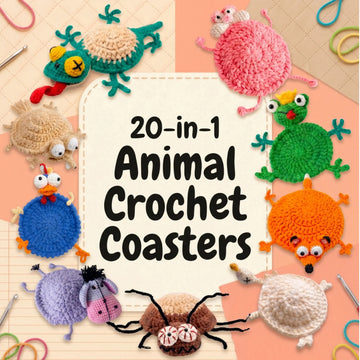
Turn a skein of cotton yarn into a whole zoo of functional home décor. This guide walks you through every design in the 20-in-1 Animal Coasters Bundle and gives you tips to finish each one fast.


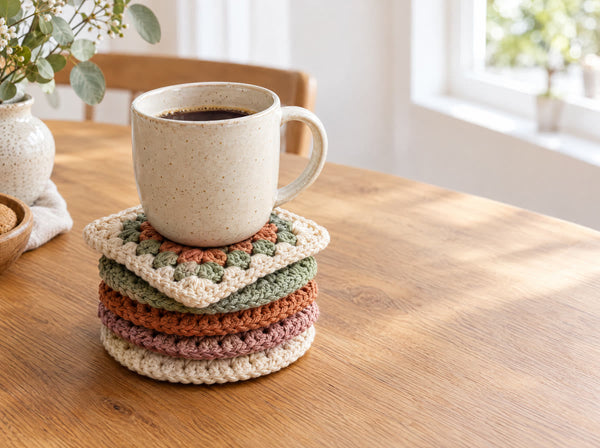
A peek at what you can make
Coasters are one of the most underrated crochet projects out there. They're quick, they use up scrap yarn beautifully, and when you give someone a set of animal coasters, they look absolutely delighted — every single time. That's exactly why our 20-in-1 Animal Crochet Coasters Bundle has become one of our most-loved resources at MrsCrochetWorld.
Why Animal Coasters Are Such a Great Project
Small, satisfying, and endlessly gifable — here's why you'll love making them.
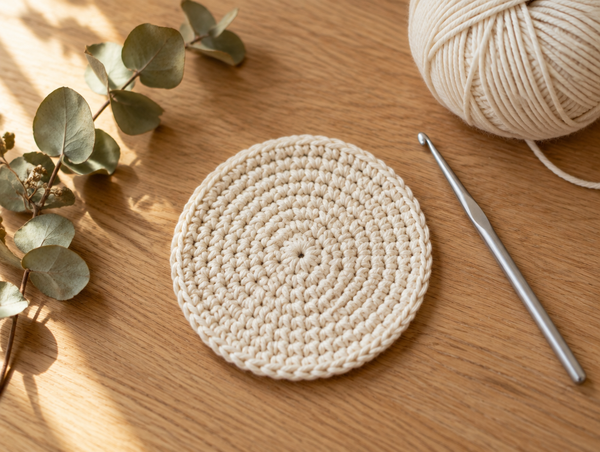
Most of the designs in this bundle work up in an hour or two per coaster, making them perfect for one-skein or scrap-yarn sessions. You don't need any special tools beyond a standard hook and worsted or DK weight cotton yarn. Each coaster is worked in the round, so if you've already practiced crocheting in the round you'll feel right at home from round one.
Cotton yarn is the best choice here — it's absorbent, it holds its shape after washing, and it has just enough stiffness to keep the coaster flat. If you're unsure which cotton to grab, check out our guide to the best yarns for beginners where we cover a few budget-friendly options that work perfectly for small home items.
What's Inside the 20-in-1 Bundle
A quick tour of every design so you can plan your colour palette before you cast on.
The bundle is arranged into themed groups: safari animals (lion, elephant, zebra, giraffe), woodland creatures (fox, hedgehog, owl, bear), pond and rainforest picks (frog, turtle, parrot, toucan), and ocean dwellers (crab, fish, whale, octopus), rounded out with a sloth, cat, dog, and a bonus bee design. Every pattern uses US crochet terms, includes a full stitch key, and comes with a color photo of the finished piece so you know exactly what you're aiming for. If you ever get confused by abbreviations, our crochet abbreviations glossary is a quick reference to bookmark.
Each design follows the same basic construction: a flat round base worked in single crochet, then surface details added in a final round of color changes or simple appliqué pieces. The color-change technique used throughout is beginner-accessible — no complicated intarsia, just clean yarn joins.
"A set of animal coasters is the kind of handmade gift that lives on someone's coffee table for years — and makes them smile every morning."— Ava, MrsCrochetWorld
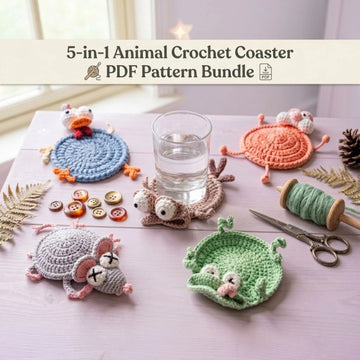
Patterns You'll Love Making First
Three designs to start with if you want a quick win (and a gorgeous result).
The Full 20-in-1 Bundle
Best valueThe complete set lives in one PDF — download it once and you've got enough projects to keep you busy through every craft night this year. Great for building a matching best-selling gift set or stocking a craft market table. Pair it with our tips on easy crochet projects to sell at craft markets to price and present them beautifully.

Frog Fan Favorites
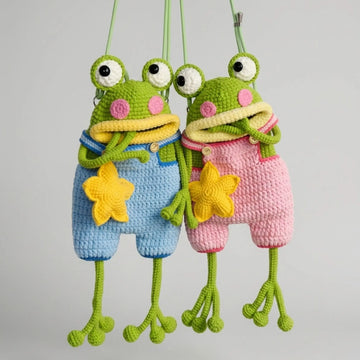
Match it upThe frog coaster inside the bundle is consistently one of the most-made designs in the set — those big round eyes and the pop of green are irresistible. If your crafter heart wants to go all-in on frog content, our Frog Bag Pattern makes the perfect companion piece. A frog coaster and a frog bag? Now that's a theme.

Style the Whole Table
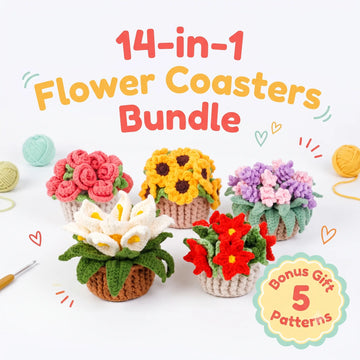
Home décor setOnce you've made your coasters, the next natural step is styling the whole coffee table. Our Spring Flower Garland Pattern uses the same cotton yarn weight and wraps around a vase or drapes along a shelf to tie the look together. These are also a brilliant pairing for quick crochet gifts under 10 hours.
Six Tips for Perfect Animal Coasters Every Time
Little adjustments that make a big difference in the finished result.
Choose 100% Cotton
Cotton is firm, absorbent, and machine-washable — everything you want in a coaster. Acrylic can work but tends to curl at the edges without blocking.
Count Every Round
Animal coasters are small, so one missed stitch throws off the increase pattern quickly. Use a stitch marker and our stitch-counting guide to stay on track.
Plan Your Colour Palette First
Lay out all your scrap yarns before you start. Coasters look best as a set when you repeat one or two accent colours across all 20 designs for visual cohesion.
Wet Block Each Coaster
A quick soak and pin session flattens any curl and sets the round shape perfectly. Read our complete blocking guide if this is your first time.
Use Safety Eyes for Faces
Most animal designs use safety eyes to add personality. Pop them in before you finish the last round so you can position them exactly right — moving them later is tricky. Our safety eyes tutorial shows the exact technique.
New to Crochet?
If the pattern abbreviations feel overwhelming, start with our complete beginner guide to crochet — then come back and you'll fly through these coasters.
Pro Tips for Gifting a Coaster Set
- Make sets of four: A gift set of four matching (or complementary) animal coasters feels intentional and complete. The bundle gives you enough variety to theme each set — all safari animals, all ocean creatures, or a surprise mix.
- Add a ribbon tag: Tie a simple ribbon around a stack of four coasters with a small handwritten tag. It takes 30 seconds and looks like you spent an hour on packaging.
- Pair with a mug: A handmade coaster tucked inside a pretty mug is a go-to teacher gift, housewarming present, or Secret Santa. See more ideas in our crochet gift ideas roundup.
- Selling at markets: Coasters are excellent craft market stock — lightweight, quick to make in batches, and easy to display. Stack them in small towers by colour or animal type. Our guide on pricing handmade crochet items will help you set a fair price.
- Care instructions matter: Always include a small card telling the recipient they can machine-wash on a gentle cycle. It's a detail that makes your gift feel professional. Full care advice is in our crochet care guide.
Ready to Build Your Animal Coaster Collection?
Grab the full 20-in-1 bundle and you'll have enough designs to crochet a complete zoo for your home — or to give as gifts all year long. And if you want to practise your basics first, our free patterns are a brilliant starting point.
Get a free pattern Shop beginner patternsFrequently asked questions
What yarn weight works best for crochet animal coasters?
Worsted or DK weight 100% cotton yarn gives you the best results. It crochets up to a functional coaster size, lies flat without needing heavy blocking, and is machine-washable. Avoid acrylic blends if possible — they tend to curl at the edges and don't absorb moisture as well.
What hook size should I use for the coaster patterns?
Most of the designs in the bundle are written for a US G (4.0 mm) or H (5.0 mm) hook with worsted weight cotton. Always check the pattern's gauge note and do a quick test swatch — coasters should sit flat and measure roughly 4 to 5 inches across when finished.
Are these coaster patterns suitable for complete beginners?
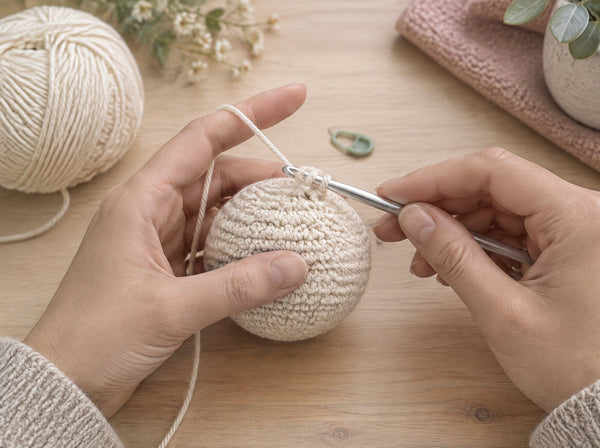
Yes — the majority of the 20 designs use single crochet worked in the round, which is one of the most beginner-friendly constructions in crochet. If you can make a magic ring and single crochet, you can make these coasters. A few designs add a simple colour change for the animal's face, but the pattern walks you through it step by step.
How long does each coaster take to crochet?
Most coasters in the bundle take between 45 minutes and 2 hours, depending on your speed and experience. Simpler designs like the turtle and fish can be finished in under an hour; designs with more facial detail like the lion or owl may take a little longer. They're a perfect project for an evening in front of a film.
Can I sell items made from these patterns?
Yes, you can sell finished coasters you make from MrsCrochetWorld patterns in small quantities — for example, at craft fairs or on Etsy. You may not resell or redistribute the PDF pattern itself. For full details on selling handmade crochet, see our post on whether you can sell items made from a crochet pattern.
How do I keep my coasters flat and prevent curling?
The main causes of curling are tension that is too tight and skipping the blocking step. Use a hook one size larger than the label suggests if your fabric feels stiff, and wet-block each coaster after finishing — soak it for a few minutes, squeeze out the water, pin it to a flat foam board in a circle, and let it dry completely. Cotton holds its shape beautifully once blocked.
What is the best way to wash crochet coasters?
Cotton coasters can be machine-washed on a gentle cold-water cycle and laid flat or tumble-dried on low. Avoid hot water and high heat, which can shrink the cotton or distort the shape. For stubborn stains, a short soak with a mild dish soap before washing usually does the trick.
Do I need to know how to sew to complete these patterns?
Very little sewing is required. The coaster bases are worked in the round so there are no seams to join. The only hand-sewing involved is attaching small appliqué pieces (like ears or beaks) on a handful of designs, and each pattern includes clear instructions for this. If you want to go completely seam-free, our no-sew amigurumi techniques guide has tips that transfer well to small appliqué work.