


Crochet and Mindfulness: A Creative Way to Slow Down
How the simple, rhythmic act of crocheting draws your full attention into the present moment — one stitch, one breath, one loop at a time.

You sit down, hook in hand. You pull the yarn through a loop, then another, then another. Somewhere around the fifth or sixth stitch, the hum of the day starts to soften. Your shoulders drop. Your thoughts lose their grip. This is what many makers describe as mindful crochet — not a formal practice, not a wellness program, just the natural state that a rhythmic, absorbing craft can bring you into.
What mindfulness actually means in plain language
No jargon, no complicated philosophy — just a working definition.
Mindfulness is simply the practice of paying attention to what is happening right now, on purpose and without judgment. That is the whole idea. You are not trying to empty your mind or achieve any particular feeling. You are choosing, moment by moment, to notice what is in front of you rather than replaying yesterday or rehearsing tomorrow.
In practice, this is genuinely difficult in daily life because most of us spend large portions of our waking hours in mental time travel — worrying about a conversation that has not happened yet, or replaying one that already has. Mindfulness gently interrupts that pattern by giving attention something real and immediate to rest on.
The good news is that you do not need a meditation cushion, a phone app, or any specific belief system to experience present-moment focus. A repetitive, absorbing activity works just as well for many people — and that is exactly where crochet comes in. For more on the broader wellbeing picture, our Crochet & Wellness hub is a good starting point, and our companion page on the mental health benefits of crochet goes deeper into what makers and researchers have observed over time.
Calming crochet patterns to start your mindful practice
These patterns offer the repetitive rhythm and gentle focus that make crochet feel meditative.

50 No-Sew Amigurumi Bundle
Repetitive & calmingAmigurumi's in-the-round construction — round after round of the same stitch — is one of the most naturally meditative formats in crochet. This 50-pattern bundle gives you an entire library of small, completable projects: the kind that let you settle into a rhythm and stay there. No sewing, no complicated finishing steps. Just the hook, the yarn, and the present moment. An excellent anchor for a crochet-for-stress-relief routine. Shop the 50 No-Sew Bundle

20-in-1 Animal Coaster Bundle
Quick & satisfyingA single coaster takes under 90 minutes and uses a simple in-the-round structure with predictable increases. For mindful crochet, that small format is a real strength: you can set aside 20 minutes, make meaningful progress, and finish the whole thing in one or two sessions. The gentle challenge of counting rounds keeps the mind engaged without taxing it. These animal crochet coaster patterns are among our most-reached-for projects for quiet evenings.

Easy No-Sew Amigurumi Book
Perfect for beginnersWhen a pattern is clear and well-written, you can focus on the physical act of stitching rather than constantly decoding instructions. This beginner-friendly book is designed exactly for that: straightforward language, step-by-step guidance, and adorable results that feel achievable rather than stressful. Crochet is wonderful creative self-care when the pattern itself does not add friction. Browse more in our easy beginner crochet patterns collection.
How crochet naturally draws you into the present moment
There is a reason so many makers describe their hook time as the quietest part of the day.
Crochet has a structure that makes it particularly well-suited to present-moment awareness. Each stitch requires a small, specific action: insert the hook, catch the yarn, pull through, complete the loop. It is not complicated enough to be stressful, but it is just engaged enough that your mind has something real to follow. Psychologists sometimes describe this as a flow-adjacent state — not the deep absorption of a complex task, but a gentle, rhythmic focus that leaves little room for anxious or circular thinking to take hold.
The physical sensations of crochet also help ground attention in the present. The weight of the hook in your hand. The soft drag of yarn between your fingers. The small tug as each stitch closes. These are quiet but consistent sensory signals that keep pulling awareness back to what is actually happening, right here, rather than what might happen later. Many makers describe noticing, after twenty or thirty minutes, that their shoulders have dropped, their breathing has slowed, and whatever was feeling urgent before they sat down feels a little more manageable.
None of this is guaranteed — experiences genuinely vary. But the mechanics of crochet are a natural fit for present-moment focus, which is probably why so many people arrive at it intuitively, without ever having heard the phrase mindfulness craft at all.
"The best thing about mindful crochet is that you cannot really do it wrong. You just show up, pick up your hook, and let the stitches do what they always do — bring you back to right now."— Ava, MrsCrochetWorld
Counting stitches, following patterns, and gentle concentration
Why the numbers matter — and why they help.
One of crochet's underrated gifts for mindful focus is the simple act of counting. When a pattern asks you to chain 40 or work 12 single crochets across a row, your mind has to be at least partly present to follow along. You cannot be deep in a worry spiral and count stitches reliably at the same time. The two activities compete — and the counting usually wins, gently.
This is not the hard focus of solving a maths problem. It is more like a low hum of attention — enough to keep you tethered to the task, light enough that it does not feel like work. Over time, as you become more experienced, your hands learn the rhythm and the counting becomes almost automatic, freeing a different kind of awareness: you begin noticing the texture of the yarn, the pattern emerging row by row, the small satisfactions of a clean stitch. That sensory noticing is its own form of present-moment awareness, which is why experienced makers often describe feeling more present during crochet than during most other hobbies.
Following a pattern — reading ahead, checking your progress, deciding what comes next — adds another gentle layer of engagement. Your attention is occupied in the best possible way: productively, calmly, going somewhere stitch by stitch.
Why crochet can feel meditative
Traditional seated meditation asks you to direct attention to something simple — the breath, a mantra, a single point of focus — and return to it whenever the mind wanders. Crochet works in a strikingly similar way. The rhythm of the hook becomes the focal point. When attention drifts (and it will), the next stitch calls it back.
Some makers describe entering what feels like a light trance during long stretches of repetitive stitching — particularly with single crochet or simple blanket rows, where the pattern becomes almost musical in its regularity. Others find that the end of a crochet session comes with a quiet, rested feeling that is hard to replicate any other way. These are descriptions of individual experience, not medical outcomes, and your own experience may differ. But the overlap between the mechanics of crochet and the mechanics of crochet meditation is genuine and worth exploring.
The key quality they share is gentle, sustained attention. Not forced concentration. Not striving for a blank mind. Just following something simple, repeatedly, with an open quality of awareness.
Six qualities that make crochet a natural mindfulness craft
These are the structural features that help crochet become a grounding creative practice.
Rhythm and repetition
The hook-over-yarn action repeats in a steady, predictable sequence. That physical rhythm can help some people settle into a calmer pace of thought, much as a repeated walking pace can on a quiet walk outside.
Tactile grounding
Feeling the texture of the yarn, the weight of the hook, the small resistance of each stitch — these physical sensations bring attention into the body and into the present. Many makers describe crochet as one of the most grounding crafts they know.
Visible progress
With every round, the project grows. That tangible evidence of forward movement can support a sense of calm purpose — you are making something real, right now, stitch by stitch.
Gentle focus requirement
Crochet demands just enough attention to quiet internal chatter without triggering stress. It is a soft cognitive challenge: present but not pressured. That balance is central to what makes mindful crochet patterns work so well.
Low-stakes redirection
When you lose count, you simply recount. The craft naturally teaches the same gentle return-to-focus that mindfulness teachers describe — without any formal instruction required.
Portable and flexible
A small project fits in a bag. A mindful crochet session can happen on a lunch break, in a waiting room, or in ten quiet minutes before bed. The practice travels with you.
How to build a mindful crochet routine
A few small intentions can shift an ordinary crafting session into something genuinely restorative.
- Choose your moment deliberately. Pick a time of day when you can sit down without immediately needing to be somewhere else. Even fifteen or twenty minutes is enough. The intention to pause matters as much as the length of the session.
- Reduce competing noise. Put your phone face-down or in another room. Close the laptop. You do not need to sit in silence — soft background music can work beautifully — but notifications pulling at your attention undermine the whole exercise.
- Start with a breath or two. Before you pick up your hook, take two or three slow breaths and notice how you feel right now. Tired? Wired? Scattered? There is no right answer. This small pause marks the beginning of a different kind of time.
- Choose the right project for the mood. On an anxious or tired day, simple repetitive stitching — a granny square, a long single-crochet row, a flat coaster — is usually more soothing than a complex chart that demands frequent checking. Save intricate work for days when your concentration feels easy.
- Notice sensory details as you go. Every few minutes, gently redirect your attention to the physical experience: how the yarn feels, the sound of the hook, the colour and texture of your work growing under your hands. This is the mindfulness craft practice in action — not forcing anything, just noticing.
- When your mind wanders, return without judgment. This will happen. It always does. The practice is not in never wandering — it is in noticing that you have and coming back. Return to the stitch you are on, pick up the count, keep going.
- Close the session intentionally. When you are done, take a moment to look at what you made and notice any shift in how you feel. This brief reflection reinforces the habit and helps you notice, over time, what your calming crochet projects actually give you.
For more on building a sustainable creative self-care habit, our crochet for stress relief page explores the tension-easing dimension of the craft in depth.
Start with a pattern made for quiet evenings
Every PDF pattern at MrsCrochetWorld downloads instantly — no waiting, no shipping. Pick something small and satisfying to begin your mindful crochet practice tonight.
Shop beginner-friendly crochet patterns Explore animal coaster patternsMore mindful projects to add to your queue
Projects with enough gentle complexity to keep you engaged — and enough repetition to let you settle in.

Princess Doll Amigurumi Bundle
Immersive & beautifulSome makers find that a more involved project produces a deeper state of absorbed focus. This 12-pattern princess collection offers exactly that: enough variety and gentle complexity to keep the mind engaged across many sessions, while the repetitive amigurumi rounds provide the underlying rhythm that many people associate with a meditative crochet session. A lovely choice for experienced makers who want a project that rewards sustained, attentive work. See the Princess Doll patterns

9-in-1 Flower Crochet Bundle
Serene & colourfulFlower crochet is endlessly satisfying for a mindful session: each petal worked the same way, each bloom building outward in a rhythm that is almost musical once you are settled into it. The 9-in-1 Flower Bundle includes roses, tulips, irises, and more — a quiet, creative mindfulness project that produces something genuinely beautiful. Also makes a meaningful handmade gift. Browse our full amigurumi crochet patterns collection for more ideas.
Beginner-friendly projects for your first mindful crochet session
The best starting points are small, rhythmic, and forgiving.
If you are new to crochet and curious about using it as a mindfulness craft, the most important thing is to start with something that will not frustrate you. A stressful pattern experience is the opposite of mindful — so here is what tends to work well:
- Simple in-the-round amigurumi. Small animals worked in continuous rounds of single crochet are the gold standard for a mindful first project. There is one stitch to master, a clear increase pattern to follow, and a satisfying shape to watch emerge. Browse our amigurumi crochet patterns for a wide range at different difficulty levels.
- Animal coasters. Four to six inches across and completable in a single sitting, these are ideal for a contained, self-sufficient session. The small format means you will finish something — which matters psychologically. Try the 20-in-1 Animal Coaster Bundle for a ready-to-go set of patterns.
- Free starter patterns. If you want to experiment before committing to a paid bundle, our free patterns collection includes beginner-friendly options you can download instantly and try in an afternoon.
- Build skills gradually. As your hands learn the stitches and the movements become more automatic, the meditative quality of crochet deepens naturally. The less you have to think about technique, the more fully you can inhabit the quiet focus of just making.
- Choose clear, well-written patterns. For a genuinely mindful experience, the pattern should not be a source of confusion. Well-laid-out PDF patterns — like those in our beginner crochet patterns collection — let you trust the instructions and give your full attention to the physical craft.
If you are completely new and not sure where to begin, the crochet for beginners wellness guide in this hub walks through the basics with a gentle, low-pressure orientation in mind.
Creative mindfulness: what it means to make something slowly
There is something worth naming about the particular quality of crochet as a creative mindfulness practice: it is slow. In a culture that celebrates fast output and constant productivity, making something by hand — stitch by stitch, row by row, over hours and sometimes weeks — is an act of patience. Not passive patience, but active, engaged patience. You are doing something. It is just taking exactly as long as it takes.
Many makers describe this quality of slowness as one of the most valuable things crochet gives them. The project cannot be rushed without showing it. The craft itself enforces a kind of presence that is difficult to fake. And the finished object carries, in a way few other things do, the record of all those quiet moments spent making it.
Connecting your crochet practice to the wider community
A mindful crochet routine does not need to stay in isolation from the rest of your life. Many makers find that the quality of attention they practice during a crochet session begins to carry over in small ways — a little more patience in a difficult conversation, a slightly easier time returning to the present when anxiety spikes. These are patterns of experience, not guarantees, and crochet is not a substitute for professional support when that is what is needed.
Crochet also connects you to a wider community of makers who understand exactly what you mean when you try to describe the quiet that happens when the stitches are flowing. That sense of belonging — knowing there are thousands of others sitting down with their hooks tonight — is its own kind of comfort. Explore that side of the craft on our crochet community and connection page. If you want to turn your mindful making into a gift for someone you love, handmade crochet gifts has plenty of ideas. For a broader look at crochet and wellbeing, browse our crochet books and patterns.
Make something handmade and meaningful
Start with an instant PDF download and see what a mindful crochet evening actually feels like. Our beginner bundles and mega-collections give you dozens of calming crochet projects to work through, one quiet session at a time.
Browse all crochet patterns Explore mega bundlesFrequently asked questions
What is mindful crochet?
Mindful crochet is the practice of bringing deliberate, present-moment awareness to your crochet session rather than stitching on autopilot while your mind is elsewhere. It means noticing the sensations of the yarn, the rhythm of the hook, and the stitch you are working on right now. Many makers find this quality of attention transforms an ordinary hobby session into something genuinely restorative. You do not need any formal training — the structure of the craft itself naturally encourages this kind of focus.
Can crochet be used as a form of meditation?
Many makers describe their crochet sessions as meditative in quality, particularly when working with simple, repetitive stitches. The gentle, sustained focus on a repeated motion shares structural similarities with some meditation practices — both involve directing attention to something simple and returning to it when the mind wanders. That said, crochet is not a clinical meditation technique, and experiences vary. For many people it is simply a calming and absorbing hobby, and that is entirely worthwhile on its own terms.
What types of crochet projects are best for mindfulness?
Projects with a predictable, repetitive stitch pattern tend to work best for a mindful crochet session. Amigurumi worked in continuous rounds of single crochet is a popular choice — the rhythm is steady, the counting is manageable, and the progress is visible. Small projects like animal coasters are excellent because they are completable in a single session. Very complex colorwork or stitch patterns that require constant chart-checking can make it harder to settle into a calm focus, so save those for times when you want an active creative challenge.
Does crochet help with anxiety or stress?
Many makers describe crochet as helpful for managing day-to-day stress and the anxious mental chatter that comes with busy lives. The repetitive rhythm, present-moment focus, and tangible creative output can help some people feel calmer during and after a session. That said, experiences vary, and crochet is a creative hobby, not a medical treatment. If anxiety is significantly affecting your life, please seek support from a qualified healthcare professional. Crochet may offer comfort as part of a broader self-care approach, but it should not replace professional support.
How long do I need to crochet for it to feel calming?
There is no set minimum, and different people notice a shift at different points. Some makers describe feeling more settled after just ten or fifteen minutes of simple stitching. Others find the calm feeling builds gradually over a longer session. The most important factor tends to be intention: a short, deliberate session where you are actually paying attention tends to be more restorative than a longer one done while half-distracted by something else.
What do crochet and mindfulness have in common with formal meditation?
Both practices involve directing gentle, sustained attention to something simple and returning to it each time the mind wanders. In formal meditation the anchor is often the breath; in mindful crochet it is the rhythm of the stitch and the act of counting. Neither practice requires a blank mind — the return from wandering is the practice itself. The main difference is that crochet produces something tangible, which many people find additionally satisfying and motivating.
Are there specific crochet stitches that feel more meditative?
Repetitive, rhythmic stitches tend to suit mindful crochet best. Single crochet worked in long rows or continuous rounds is one of the most commonly described meditative stitches — simple enough to settle into without thinking, consistent enough to create a genuine rhythm. Double crochet in straight rows also works well. Very complex stitch patterns that require frequent stopping to consult instructions can break the gentle focus that makes crochet feel meditative.
How do I start a mindful crochet routine if I am a beginner?
Start with a simple beginner pattern — ideally one with repetitive stitches and a small finished size, like a coaster or a basic amigurumi shape. Set aside a specific, unhurried time, put your phone face-down, take a couple of slow breaths before you begin, and try to notice the physical sensations of the yarn and hook as you work. Do not worry about being mindful enough. The intention to pay attention is the practice. Our free crochet patterns are a good no-pressure starting point.
Where can I find more resources on crochet and wellbeing?
Our Crochet and Wellness hub collects everything we have written on this theme. From there you can explore pages on crochet for stress relief, the mental health benefits of crochet, crochet for seniors, and crochet during difficult times, among others. Each page goes in depth on a specific aspect of crochet as a creative self-care hobby. You can start at the hub page and follow the links that feel most relevant to where you are right now.
Calming projects to start tonight
Simple, repetitive, soothing — beginner-friendly patterns made for unwinding.

From the Crochet Blog
View all articles →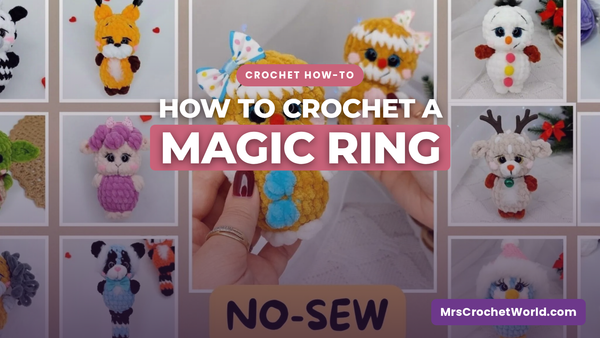
How to Crochet a Magic Ring: A Beginner's Step-by-Step Guide (Plus Fixes for Rings That Unravel)
Crochet How-To How to Crochet a Magic Ring: A Beginner's Step-by-Step Guide (Plus Fixes for Rings That Unravel) Master the adjustable loop that gives amigurumi a...
Read full article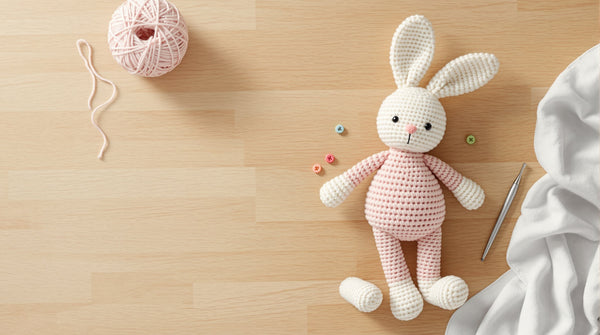
How to Crochet Amigurumi Arms and Legs: Shapes, Placement & Attachment
Wobbly limbs and crooked arms are the number one reason amigurumi looks homemade. Here is the complete system for crocheting even arms and legs and attaching...
Read full article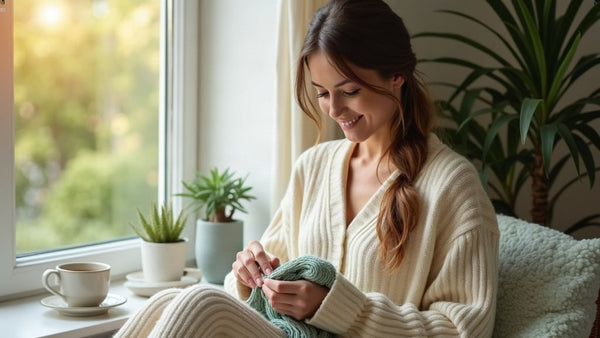
Crochet for Burnout Recovery: A Cozy Reset Ritual to Recharge Your Days
Crochet Wellness Crochet for Burnout Recovery: A Cozy Reset Ritual to Recharge Your Days How a simple hook, soft yarn, and a slow, unhurried rhythm can...
Read full article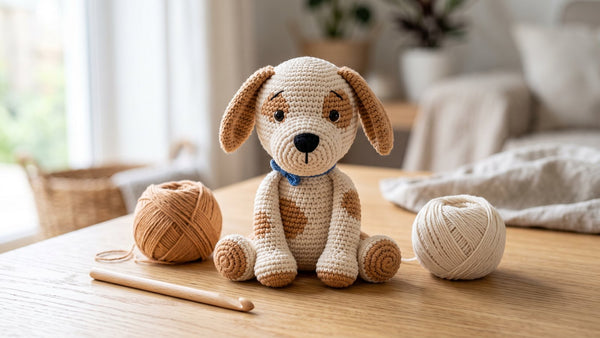
Crochet Dog Pattern: Easy No-Sew Amigurumi Puppy Guide for Beginners (2026)
A complete beginner-friendly crochet dog pattern with free written instructions, no-sew head-and-body construction, assembly guidance and answers to the questions that trip up first-time amigurumi makers.
Read full article