Crochet and ADHD: Why Your Brain Loves the Hook
Crochet engages the ADHD brain through repetitive bilateral hand movements that boost dopamine, create a sustainable focus loop, and deliver the instant gratification of visible progress. Unlike screens or passive activities, crochet offers a structured, sensory-rich task that works with — not against — how ADHD brains are wired.
If you have ADHD and you've ever picked up a crochet hook, you may have noticed something unexpected: it's actually kind of hard to put it down. Your brain — the same brain that struggles to sit through a meeting, finish a book, or remember where you put your keys five minutes ago — suddenly clicks into a rhythm. The hook moves. The yarn forms something. And somehow, you're still there thirty minutes later, fully present.
This isn't a coincidence. There's real neuroscience behind why crochet and ADHD are such a surprisingly natural match. In this guide, we'll break down exactly what's happening in your brain when you crochet, which projects work best for ADHD, and how to build a crochet habit that sticks — even when executive function is fighting you.
Why ADHD Brains Struggle (and What Actually Helps)
ADHD — Attention Deficit Hyperactivity Disorder — is widely misunderstood. The name suggests a simple attention problem, but the reality is far more nuanced and, frankly, more interesting. ADHD isn't about a lack of attention. It's about a brain that struggles to regulate where attention goes — and a neurological system that doesn't get enough dopamine through ordinary tasks.
Dopamine Deficit, Not Attention Deficit
At its core, ADHD involves differences in how the brain manages dopamine — the neurotransmitter responsible for motivation, reward, and sustained engagement. ADHD brains don't produce or process dopamine as efficiently as neurotypical brains, which means routine tasks that are "supposed to" feel rewarding often feel flat, uninteresting, or impossible to start.
This explains the classic ADHD paradox: the same person who can't focus on a work report for twenty minutes can spend six hours deep in a creative project without looking up. The difference isn't willpower. It's interest-based, dopamine-driven attention.
What ADHD Brains Actually Need
Research on ADHD consistently points to a specific set of conditions that help the ADHD brain engage:
- Novelty: New challenges or tasks that feel fresh
- Reward: Frequent, visible signs of progress
- Movement: Physical engagement that keeps the body and brain active
- Sensory input: Something interesting to touch, feel, or interact with
- Challenge: Just enough difficulty to stay engaged without overwhelming
Notice anything? Crochet hits every single one of these. A new pattern is novel. Completed rows are visible reward. Hand movements create physical engagement. Yarn texture offers constant sensory stimulation. And every new stitch or technique creates just enough challenge to stay interesting.
Why So Many People with ADHD Discover Crochet "by Accident"
In ADHD communities online, one story repeats itself constantly: someone picked up crochet during a difficult period — maybe lockdown, maybe a stressful life transition, maybe out of boredom — and found themselves genuinely hooked (pun absolutely intended). They'd never thought of themselves as "crafty" people. But something about the hook and yarn just worked in a way that nothing else had.
This is no accident. Crochet naturally satisfies the neurological needs of the ADHD brain without requiring any of the discipline or willpower that ADHD makes so exhausting to summon. It feels less like forcing yourself to focus and more like finally giving your brain what it actually wanted all along.
The Neuroscience: Why Crochet Works for ADHD

The connection between crochet and improved brain function isn't just anecdotal — science is catching up with what crafters have known for years. Let's look at the mechanisms behind why crochet works so well for the ADHD brain.
Bilateral Motor Movement → Focus Loop Activation
Crocheting requires both hands to work in coordination: one hand holds and maneuvers the hook, the other manages the tension of the yarn. This bilateral (both-sides) motor engagement activates neural pathways that help regulate focus and attention. When both hemispheres of the brain are involved in a synchronized physical task, it becomes harder for the brain to drift into distraction. The body literally anchors the mind.
Repetitive Rhythm → Cortisol Reduction, Dopamine Release
The rhythmic repetition of crochet stitches — pull through, yarn over, pull through again — has measurable effects on the nervous system. Studies on repetitive physical motion show that such rhythms reduce cortisol (the stress hormone) while triggering gentle dopamine release. This is the same mechanism behind why people find drumming, running, or even rocking soothing. Crochet is, in neurological terms, a rhythmic self-regulation tool.
The 2025 Research: Crochet Increases Sustained Attention
A 2025 study published in Scientific Reports (PMID 39900664) directly examined the effects of crochet on cognitive function. Researchers found that regular engagement with crochet was associated with significant increases in sustained attention — the very faculty that ADHD most disrupts. Participants reported improved ability to stay on task not just during crochet sessions, but in other areas of daily life, suggesting possible generalization effects from the practice.
Sensory Stimulation: Yarn as a Fidget Tool
Many people with ADHD benefit from sensory stimulation — fidget spinners, textured objects, chewable jewelry, and similar tools. Yarn provides a continuous, adjustable sensory experience: different weights feel different in the hand, different materials (cotton vs. acrylic vs. merino) have distinct textures, and the act of drawing yarn through loops creates a satisfying tactile feedback loop. For sensory-seeking ADHD brains, this is deeply regulating.
Visible Progress = Instant Reward
One of the most powerful aspects of crochet for ADHD is visual progress. Every single row you complete is visible. Unlike a task that only "counts" when it's fully done, crochet rewards you constantly. Finished a round? You can see it. Completed a color change? You can see it. This sustained reward loop keeps the ADHD brain motivated in ways that deferred-reward tasks never can.
Crochet vs. Other ADHD Management Tools
| Tool / Strategy | Dopamine Boost | Sensory Input | Skill Building | Accessibility | Side Effects |
|---|---|---|---|---|---|
| Crochet | ✅ Yes (visible progress) | ✅ Strong | ✅ Yes | ✅ High (low cost) | Minimal (occasional RSI if overdone) |
| ADHD Medication | ✅ Yes (pharmacological) | ❌ None | ❌ No | ⚠️ Requires prescription | Possible: appetite, sleep, mood effects |
| CBT / Therapy | ⚠️ Indirect | ❌ None | ✅ Yes (coping skills) | ⚠️ Cost / availability | Minimal |
| Mindfulness / Meditation | ⚠️ Indirect | ❌ Minimal | ⚠️ Some | ✅ High | Often difficult for ADHD brains |
| Exercise | ✅ Strong (endorphins) | ✅ Moderate | ✅ Yes | ✅ High | Minimal (injury risk) |
| Fidget Toys | ⚠️ Temporary | ✅ Yes | ❌ No | ✅ High (low cost) | Minimal; no lasting output |
Real Experiences: What People with ADHD Say About Crochet
Across ADHD communities on Reddit, TikTok, and Discord, a striking theme emerges when crochet comes up: people describe it as the first hobby that actually held their attention long-term. Not just for a week before the shiny wore off — but for months, sometimes years.
The most common thread? "My brain finally has something to do with its hands." For many people with ADHD, sitting still without a tactile anchor feels nearly impossible. Watching a movie while crocheting lets them actually absorb the content instead of fidgeting into distraction. Crocheting during a podcast means actually remembering what was said. The hands being occupied frees the mind to engage — a counterintuitive but consistent experience reported across the community.
Hyperfocus: The ADHD Superpower That Crochet Unlocks
People with ADHD don't struggle to focus on everything — they struggle to focus on the right things at the right time. But when an ADHD brain finds something genuinely engaging, it can enter a state called hyperfocus: intense, sustained, almost tunnel-vision concentration that blocks out everything else.
Crochet is one of the most reliable hyperfocus triggers in the crafting world. The combination of tactile feedback, visual progress, and low-stakes creativity creates the perfect conditions for the ADHD brain to lock in. Many crocheters with ADHD report looking up from a project to realize two hours have passed — not because time seemed slow, but because it seemed to stop entirely.
This hyperfocus, while powerful, does require some management (more on that in the routine section). But for now: if you've ever hyperfocused on something and felt frustrated that it wasn't "useful," crochet lets you direct that same intensity into making something genuinely beautiful.
Best Crochet Projects for ADHD Adults

Not all crochet projects are created equal when it comes to ADHD compatibility. The key principle: choose projects that give you a dopamine hit before your attention window closes. Here's what works — and what to avoid.
🎯 Amigurumi (Small Stuffed Animals)
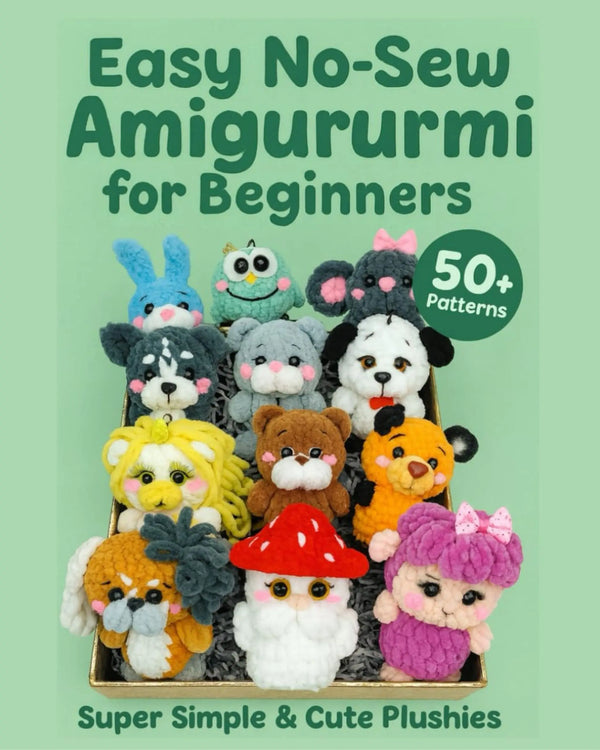
Amigurumi — the Japanese art of crocheting small stuffed figures — is perhaps the single best crochet category for ADHD brains. Why? Because the projects are small. Many can be completed in a single sitting of 30–90 minutes. You work in the round, so there's a constant rhythmic repetition. And at the end, you're holding a tiny, adorable, three-dimensional creature you made with your own hands. That finished-object dopamine hit is intense, immediate, and deeply motivating for the next project.
🧶 Coasters and Small Accessories (15–30 minutes)
Animal coasters, keychains, small pouches, and bookmarks are perfect ADHD projects because they're genuinely completable in one session. No waiting for "part two" of a pattern. No looking up to realize you're only 10% done after two hours. These quick projects train the brain to associate crochet with completion — a crucial positive feedback loop for ADHD motivation systems.
🔄 Repetitive Stitch Patterns
Once you're past the absolute beginner stage, stitch patterns that repeat every 2–4 stitches hit a sweet spot: complex enough to require mild attention (preventing boredom), simple enough not to require constant chart-checking (preventing overwhelm). The moss stitch, v-stitch, and lemon peel stitch are all excellent ADHD-friendly patterns for small items or scarves.
🚫 Projects to AVOID (for ADHD Beginners)
- Large blankets: These take weeks or months. The payoff feels infinitely distant for an ADHD brain, making abandonment almost inevitable.
- Complex colorwork (tapestry, Fair Isle-style): Constant color changes and chart-reading create cognitive overload and frustration, especially before solid foundational skills are built.
- Intricate lace patterns: Beautiful, but highly error-prone and slow-moving — a recipe for ADHD frustration.
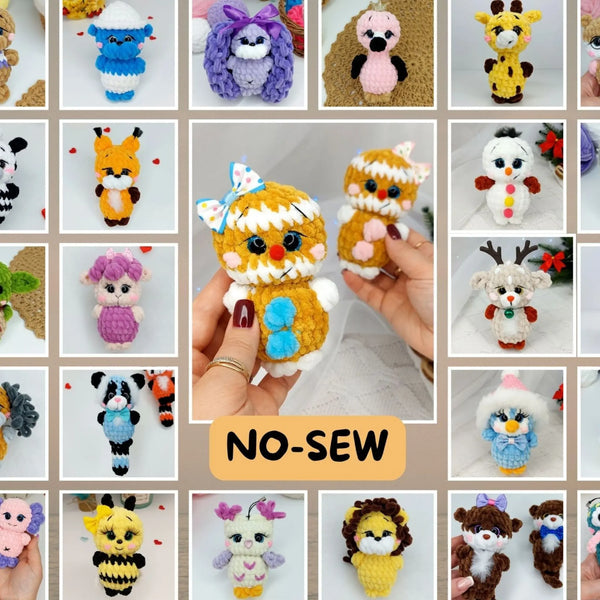
Start with a no-sew amigurumi — you finish it in one sitting, which is exactly what the ADHD brain needs. That complete-project rush is more powerful than any motivational pep talk. Make one, feel the dopamine, repeat.
🛍️ Our Picks: ADHD-Friendly Crochet Pattern Bundles
50-in-1 No-Sew Amigurumi Bundle
50 beginner-friendly amigurumi patterns — no sewing required. Finish one project per session. Perfect ADHD starter bundle.
View Pattern → 🐾20-in-1 Animal Crochet Coasters Bundle
20 adorable coaster patterns you can finish in 15–30 minutes each. Perfect for ADHD attention windows.
View Pattern → 🦕4-in-1 Dinosaur Amigurumi Bundle
Four irresistible dino characters, each completable in a focused evening. No-sew design for extra satisfaction.
View Pattern →How to Build a Crochet Routine with ADHD
Knowing that crochet is ADHD-friendly is one thing. Actually building a consistent practice around it when your executive function is already stretched thin is another. Here are the strategies that work best:
Body Doubling: Crochet with Others
Body doubling is one of the most effective ADHD productivity techniques — the simple presence of another person (or even a virtual presence) increases the ability to focus and stay on task. Apply this to crochet by joining a local stitch circle, crocheting while a friend is on a video call, or working along to a live crochet stream on Twitch or YouTube. The background social presence creates enough accountability to keep you stitching.
Time Blocking: The 20-Minute Crochet Session
Don't plan to crochet for "a while." Set a specific timer for 20 minutes. This removes the decision fatigue of wondering how long to sit, and gives your ADHD brain the structure it thrives on. When the timer goes off, check in: are you in hyperfocus and want to keep going? Great. Do you need a break? Also great. The timer removes the open-ended anxiety of unstructured time.
Visual Progress Tracking
Keep a small notebook or use stitch markers to track completed rounds or rows. Better yet, take a photo every session. The ADHD brain often underestimates how much it has accomplished — visual evidence of progress is incredibly motivating and counters the discouragement that can come from forgetting previous sessions' work.
Managing Hyperfocus Sessions Safely
Hyperfocus is wonderful — until you look up at 2am having forgotten to eat dinner. If you know you're prone to long hyperfocus sessions, set phone reminders for water, food, and stretching. Give your wrists a break every 45–60 minutes to prevent repetitive strain. Hyperfocus is a superpower; protect the body that channels it.
The ADHD-Friendly Yarn and Hook Setup
Decision fatigue is a real ADHD drain. Reduce friction by keeping a dedicated project bag ready with everything you need: your current project, the correct hook, scissors, a yarn needle, and stitch markers. When the bag is ready to go, the barrier to starting is almost zero. ADHD brains are far more likely to pick up a project that's already set up than one that requires five minutes of assembly first.
Common Mistakes ADHD Crafters Make
Even the most enthusiastic ADHD crocheter can fall into patterns that undermine progress. Here's what to watch for:
🚨 Starting 5 Projects at Once
The ADHD brain loves novelty, which makes starting new projects feel exciting and irresistible. But five half-finished projects create visual clutter, decision paralysis, and the crushing feeling of "I never finish anything." Limit yourself to one or two active projects at a time. Queue up new ideas in a notebook instead of a yarn bag.
🛒 Buying All the Yarn Before Starting
Yarn shopping feels productive. It gives the reward sensation of "doing something" for the project. But buying ten skeins before working a single stitch often leads to a stash that grows while actual finished objects don't. Buy yarn for one project at a time when possible.
📊 Choosing Patterns Too Complex for Current Level
Ambition is wonderful. But an ADHD brain that hits a wall of complexity and confusion will abandon a project faster than almost any other brain type. Be honest about your current skill level and choose patterns that are just slightly challenging — not overwhelming. Confidence builds from completions, not ambitions.
📸 Comparing WIP to Expert Finished Pieces
Social media is full of stunning finished amigurumi by people who've been crocheting for a decade. Comparing your second-ever project to their work is a straight path to discouragement. Compare your work to your previous work only. Progress is the metric that matters.
🧵 Not Accounting for Sensory Sensitivities
Many people with ADHD are also sensory-sensitive. A yarn that scratches or feels "off" will make every crochet session feel irritating rather than soothing. Test yarn texture before buying in quantity. Your hands will be touching this material for hours — make sure it feels good.
Can Crochet Replace ADHD Medication or Therapy?
The short answer: No — and it shouldn't try to.
Crochet is a genuinely powerful supportive tool for ADHD management. The neuroscience is real, the community experiences are consistent, and the benefits for focus, mood, and self-regulation are well-documented. But crochet is a complement to professional care — not a substitute for it.
ADHD is a neurodevelopmental condition that, for many people, responds best to a combination of approaches: medication (where appropriate), evidence-based therapy (particularly CBT — Cognitive Behavioral Therapy), lifestyle strategies, and self-regulation tools. Crochet fits beautifully into that last category, but it cannot address the neurological dopamine regulation differences that medication targets, or the thought pattern restructuring that CBT provides.
When to Seek Professional Support
If ADHD symptoms are significantly impacting your work, relationships, education, or daily functioning — seek evaluation and support from a qualified healthcare professional. ADHD is highly treatable, and many people find that professional support dramatically improves quality of life in ways that no hobby alone can achieve.
Crochet + CBT: A Powerful Combination
Many CBT therapists working with ADHD clients actually encourage the addition of structured creative hobbies like crochet. The habit-formation aspect of a regular crochet practice supports CBT work on executive function and self-regulation. The visible progress counters cognitive distortions like "I can't finish anything." And the calming, rhythmic engagement reduces the anxiety that often accompanies ADHD — making therapeutic work easier to do.
FAQ — Crochet and ADHD
🧶 Start Your ADHD-Friendly Crochet Journey Today
Your brain is wired for this. All it needs is the right project — something small, satisfying, and guaranteed to deliver that dopamine hit. Browse our complete collection of beginner-friendly crochet patterns, all designed for quick wins and big rewards.
Browse All Crochet Patterns →