


Crochet Blanket Size Chart (Baby to King) + Yarn Amounts
Every standard crochet blanket size in one place — from a tiny lovey to a king-size bedspread — with measurements in inches and centimeters, yarn estimates, and expert guidance on choosing the right dimensions for your project.

Standard Crochet Blanket Sizes: The Complete Chart
Measurements are finished dimensions based on widely accepted US crochet standards. Yarn amounts assume medium-weight (CYC 4 / worsted) yarn worked in single crochet — adjust for your stitch and weight.
| Blanket type | Width x length (in) | Width x length (cm) | Approx. worsted yarn | Best for |
|---|---|---|---|---|
| Lovey / security | 12–17 x 12–17 | 30–43 x 30–43 | 150–300 yds | Comfort object, attached stuffed animal head |
| Preemie | 18 x 24 | 45 x 60 | 300–450 yds | NICU babies, premature infants |
| Baby / receiving | 30 x 35 | 76 x 89 | 700–1,000 yds | Swaddling, baby shower gift, crib use |
| Stroller / car seat | 30 x 40 | 76 x 102 | 800–1,100 yds | Travel blanket for infants and toddlers |
| Toddler / crib | 40 x 60 | 102 x 152 | 1,200–1,600 yds | Crib or toddler bed cover |
| Child | 42 x 52 | 107 x 132 | 1,300–1,700 yds | Kids' bed cover, reading nook blanket |
| Throw / afghan | 50 x 60–65 | 127 x 152–165 | 1,800–2,400 yds | Sofa throw, lap blanket, adult gift |
| Twin | 66 x 90 | 168 x 229 | 3,200–4,000 yds | Twin or single bed topper |
| Full / double | 80 x 90 | 203 x 229 | 4,000–5,000 yds | Full or double bed topper |
| Queen | 90 x 90–100 | 229 x 229–254 | 4,800–6,000 yds | Queen bed with moderate drape |
| King | 108 x 90–100 | 274 x 229–254 | 5,800–7,200 yds | King bed with moderate drape |
These yarn estimates are based on single crochet in worsted-weight yarn. Taller stitches like double crochet or treble crochet cover more fabric per yard, so you will use noticeably less. Lacy openwork stitches also use less yarn than dense fabric stitches. Always purchase an extra skein beyond your estimate to account for finishing, weaving in ends, and dye-lot differences. Use our crochet yarn calculator for a more precise estimate based on your specific stitch and yarn weight.
Put Your Size Knowledge to Work
Once you know your blanket dimensions, a great pattern makes all the difference. These bundles and resources help you choose and plan the perfect project.

Pair your blanket with a matching amigurumi
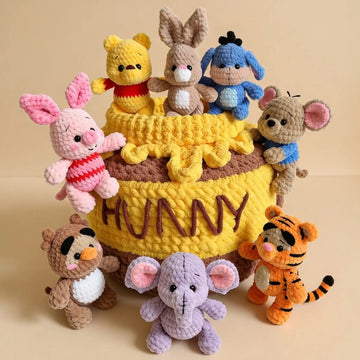
Gift ideaA handmade blanket becomes an unforgettable baby shower gift when paired with a crocheted stuffed animal in coordinating yarn. This 50-pattern no-sew bundle gives you dozens of characters to choose from — all written in US crochet terms with beginner-friendly instructions. Check the crochet abbreviations chart if any terms are unfamiliar before you start.

Great for beginners ready to move beyond blankets
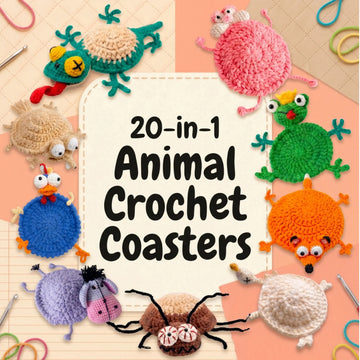
Beginner friendlyFinished your first throw and hungry for a new challenge? This beginner amigurumi book is the perfect next step — small projects with the same basic stitches you already know from your blanket. Visit the complete beginner guide if you want a refresher on fundamentals before diving in, or browse the free patterns collection for zero-cost practice pieces.

Add a floral border to any blanket
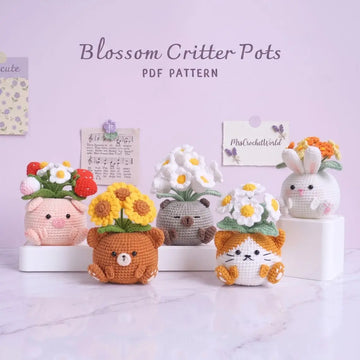
Border ideaOne of the most beautiful ways to finish a blanket edge is with a row of crocheted flowers — and this 9-in-1 flower bundle gives you roses, tulips, irises, daffodils, and more. Each motif is small enough to attach as edging along any of the blanket sizes in the chart above. Pair with the yarn and hook size guide to match your flower yarn weight to the blanket body, and check how to get even tension so your border lies flat.
How Big Should a Crochet Blanket Be? Choosing by Recipient
The most useful way to think about how big a crochet blanket should be is to start with the person or purpose, not the size chart. Here is how to approach each category.
Baby blanket dimensions
The classic baby blanket size of 30 x 35 inches (76 x 89 cm) is a standard that has proven itself for good reason. It is large enough to use as a swaddle, small enough to finish in a weekend with worsted-weight yarn, and the perfect size to be a practical gift. If you are making a blanket specifically for a crib, aim for 36 x 52 inches (91 x 132 cm) to tuck in on all sides, or use the toddler/crib dimensions in the chart above.
A receiving blanket is typically the same as a standard baby blanket — 30 x 35 inches — used for wrapping a newborn immediately after birth and in the early weeks at home. Many patterns use the two terms interchangeably.
If you are crocheting for a NICU, most hospitals ask for preemie blankets at 18 x 24 inches (45 x 60 cm). Some have specific requirements, so it is always worth checking with the hospital before you begin. Using 100% cotton or acrylic yarn is usually the safest choice because it can be washed and dried repeatedly in a clinical setting.
Lovey and security blanket size
A lovey or security blanket is a miniature comfort item, usually 12 to 17 inches (30 to 43 cm) square. Many lovey patterns attach a small stuffed head — a bunny, bear, or elephant — to one corner, giving a baby something soft to hold and cuddle. Because of the small size, a lovey is one of the fastest crochet blanket projects you can make and requires very little yarn: as few as 150–250 yards of worsted weight. The compact dimensions also make it easy to stuff in a diaper bag, making it practical for parents on the go.
Throw and afghan size
A throw or afghan at 50 x 60–65 inches (127 x 152–165 cm) is the workhorse of crochet blanket projects. It suits most adults when draped over a sofa, used as a lap blanket while reading, or pulled over the shoulders on a cool evening. This is the size most crochet blanket patterns are designed to, so if a pattern just says "blanket" without specifying a size type, it is almost certainly a throw. If you want it to reach the floor from a sofa seat, add 4–6 inches to the length.
Bed blanket dimensions — twin, full, queen, king
Bed blankets are where blanket measurements in inches and cm matter most, because you need to account for drape — how far the blanket hangs down the sides and foot of the mattress. Standard mattress depths have grown over the years with pillow-top additions, so it is best to measure your own mattress before you start.
As a general rule, add 8–12 inches (20–30 cm) to each side for a moderate drape. If you want the blanket to reach the floor, add the full mattress height — typically 10–14 inches (25–35 cm) — to each side. For a blanket that stops at the top of the box spring (common for a more tailored look), add only 4–6 inches per side. The figures in the chart above are for moderate drape on a standard-depth mattress.
For a twin blanket, the mattress is typically 38 x 75 inches (96 x 190 cm), so 66 x 90 inches gives you about 14 inches of drape on the sides and 15 inches at the foot. For a queen, the mattress is 60 x 80 inches (152 x 203 cm), and 90 x 90–100 inches provides around 15 inches of side drape and 10–20 inches at the foot. For a king, the mattress is 76 x 80 inches (193 x 203 cm), so 108 x 90–100 inches delivers about 16 inches per side and 10–20 inches at the foot.
Note that crocheted blankets have significant stretch and will relax and grow after washing. Block your gauge swatch with the same care you will give the finished blanket, and measure after blocking. Our crochet gauge calculator can help you predict finished dimensions before you commit to a full-size project.
"The single most common mistake I see with blanket sizing is forgetting to add drape. A blanket that fits the mattress top perfectly looks like a fitted sheet — add at least 8 inches per side to get that cozy, layered look."— Ava, MrsCrochetWorld
Yarn Weight and How It Affects Blanket Size
The same stitch count produces very different finished dimensions depending on your yarn weight. This is why blanket size charts give you dimensions, not stitch counts — the stitch count varies completely based on your yarn, hook, and tension. Here is a quick reference for how yarn weight affects blanket scale.
Bulky and super-bulky yarn (CYC 5–7) works up fast and produces a thick, cozy fabric. The same number of stitches covers far more ground per row. A bulky yarn throw might need only 800–1,200 yards, and you can finish it in a day or two. The trade-off is weight and warmth — a large bulky blanket can be quite heavy.
Worsted and aran weight (CYC 4–5) is the most versatile choice for blankets. It is substantial enough to give a satisfying drape, but light enough that a queen-size blanket is manageable. Most free and paid blanket patterns are written for this weight range. The yarn estimates in the blanket size chart above are based on worsted weight.
DK and light worsted (CYC 3) produces a lighter, slightly airier fabric, good for baby blankets and spring throws. You will need more yardage than worsted for the same dimensions, but the finished blanket will be lighter and more breathable. It is an excellent choice for baby blanket dimensions where a soft, lighter-weight fabric is ideal for newborns.
Fingering and lace (CYC 1–2) creates delicate, heirloom-quality blankets, but requires considerably more yardage and many more stitches to reach the same dimensions. These are longer projects best suited to experienced crocheters. For a standard baby blanket in fingering weight, expect to need 1,500–2,000 yards or more.
Not sure which yarn weight your project calls for? Our yarn and hook size guide explains the complete CYC numbering system and gives recommended hook sizes for each weight. You can also browse our best yarn for beginners guide to find a weight that suits your project and budget.
How Stitch Choice Changes Your Dimensions
Beyond yarn weight, your stitch choice has a significant impact on finished blanket dimensions, even with identical yarn and hook. Taller stitches (double crochet, treble crochet) produce more height per row than short stitches (single crochet, half double crochet), so a 60-row blanket in double crochet will be noticeably longer than 60 rows in single crochet.
Stitch width is also affected: some stitches fan out slightly (like shells) or compress inward (like some textured stitches). Pattern repeats, borders, and joining methods all nudge your final dimensions too. This is why it is always worth crocheting a gauge swatch before you start, even for something as forgiving as a blanket — a 10% error in gauge becomes a 5-inch mistake on a 50-inch throw. See how to get even crochet tension for tips on keeping your gauge consistent across a large project.
If you are adapting a pattern to a different size, need to calculate how many starting chains to cast on, or want to know how long a project will take, our how long does it take to crochet a blanket article has worked examples and honest time estimates that account for stitch type.
How to Measure a Crochet Blanket Accurately
Measuring an in-progress or finished crochet blanket correctly matters because crochet fabric has stretch — if you measure it pulled taut you will get a false reading, and if you measure it gathered and bunched you will undercount. Here is the right method.
Lay the blanket on a flat, hard surface — not a bed or carpeted floor, which can absorb slack unevenly. Smooth it out gently with your hands without stretching it. Place your tape measure along the center of the blanket, not the edge, since borders and edge stitches can distort the true measurement. Measure both the width and the length. If the blanket is still in progress and the stitches are not yet settled, this measurement is approximate — wet-blocking will give you the true finished dimension.
For bed blankets especially, it is worth doing a dry run before you bind off: lay the unblocked blanket over the actual bed and check the drape. You can always add a border to extend the dimensions, which is far easier than adding more body rows later.
Need to count your stitches or rows to make sure you are on track? See our guide on how to count crochet stitches and rows for a foolproof method that works for any stitch pattern.
Sizing Tips for Specific Projects
A few scenarios where the standard chart needs a personal adjustment.
Gift blankets without measurements
When you do not know the recipient's bed size, a throw at 50 x 60–65 inches is the safest choice. It suits almost any adult, works on a sofa or a bed, and is universally appreciated without being too personal a size.
Weighted blanket sizing
A weighted blanket should cover the person's body without draping to the floor, which would pull it off. Size it to the body length of the recipient, not the bed. A typical adult weighted blanket is about 48 x 72 inches (122 x 183 cm).
Wheelchair lap blankets
A wheelchair blanket is narrower than a throw and shorter: about 36 x 48 inches (91 x 122 cm) is a standard size that covers the lap and legs without bunching under the wheels or dragging on the floor.
Blankets with wide borders
If your pattern includes a wide border (more than 2 inches per side), subtract the total border width and height from the main body dimensions. A 4-inch border on all sides removes 8 inches from both the width and length of the body.
Heirloom and keepsake blankets
For a christening blanket or heirloom piece, a square format of 36 x 36 inches (91 x 91 cm) looks beautiful in a frame or display box and photographs well for family portraits.
Mosaic and tapestry blankets
Colorwork stitches like tapestry or mosaic crochet tend to pull in tighter than plain single crochet and may produce a stiffer fabric. Swatch first and expect to need 1–2 hook sizes larger than you would for plain fabric to reach the same finished width.
Understanding the Blanket Size Chart: Columns Explained
The crochet blanket size chart at the top of this page uses five columns. Here is what each one means and how to use it.
Blanket type refers to the category of blanket and its primary intended use. The names are standardized across US crochet patterns, so when a pattern says "baby blanket" or "throw afghan," you can cross-reference here to understand what finished dimensions to expect.
Width x length (in) gives the finished dimensions in inches. Width is the horizontal measurement and length is the vertical measurement. These are finished dimensions after any blocking. Width is typically listed first in US crochet patterns.
Width x length (cm) is the same measurement converted to centimeters. To convert inches to centimeters yourself, multiply by 2.54. To convert centimeters back to inches, multiply by 0.394. These blanket measurements in inches and cm should match whatever your tape measure reads.
Approx. worsted yarn is the estimated yardage needed in CYC 4 (medium, worsted) weight yarn, worked in single crochet. This is a planning estimate only. The actual amount varies based on your stitch, tension, and your specific yarn. Our yarn calculator can give you a tighter estimate once you know your gauge.
Best for describes the primary use cases for each size. These are starting points — feel free to adjust the dimensions to suit your needs. A "toddler" blanket makes a great car blanket for an adult, and a "throw" sized up by 10 inches works perfectly as a twin bed topper for someone who prefers less drape.
Common Blanket Sizing Mistakes to Avoid
Even experienced crocheters run into the same avoidable sizing problems. Recognizing them before you start can save you hours of work.
Skipping the gauge swatch. For a 50-inch throw, being even a half-stitch off per inch means your finished blanket is 2.5 inches narrower or wider than planned. That may not sound like much, but it is the difference between a generous lap blanket and one that barely covers an adult's knees. Always swatch in your actual stitch pattern, not just a basic swatch in single crochet. Use the gauge calculator to check your numbers against the pattern's requirements.
Not accounting for blocking growth. Wet-blocked crochet fabric almost always relaxes and grows. A baby blanket you measure at 28 x 33 inches before blocking might measure 30 x 35 after — exactly on target. If you blocked your swatch, your gauge already accounts for this. If you did not, your finished blanket may run smaller than the pattern's stated dimensions.
Forgetting drape when sizing for a bed. As covered above, a blanket that exactly covers the mattress top will look like a fitted sheet. Always factor in the hang distance on the sides and foot.
Buying too little yarn. Dye lots matter. Yarn dyed in the same dye lot will match exactly; yarn from a different lot in the same colorway can be subtly different. Always buy at least one extra skein of your main color in the same dye lot as the rest of your yarn, even if the numbers say you have enough. You can always return it unused.
If you are working from a pattern written in UK terms, note that stitch names differ from US terms — a UK double crochet is a US single crochet, which affects row height and therefore finished length considerably. Check the US-UK crochet terms page before you start if you are unsure which convention your pattern uses.

Granny squares work at any blanket size
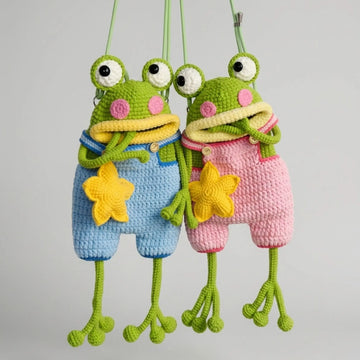
Modular sizingOne of the most flexible approaches to any crochet blanket size is the granny square method: make your squares a consistent size, then join as many as needed to reach the target dimensions from the chart above. A classic 6-inch granny square needs 5 across and 6 down for a 30 x 36 inch baby blanket, or 9 across and 11 down for a throw. This pattern uses the same modular technique scaled up to a stylish tote. Browse the full pattern library for more granny square designs.
Related Charts and Tools
Blanket sizing is just one piece of the puzzle. Here are the other free charts and tools on MrsCrochetWorld that pair naturally with this one.
If you are still choosing your yarn and hook, the yarn and hook size guide shows all CYC weights, the recommended hook size range for each, and the US-to-metric hook conversions. If you are working from a pattern that lists a gauge and want to check whether your swatch matches before you begin a large blanket, use the gauge calculator — it will tell you whether to go up or down a hook size, and can estimate how your finished width will differ if your gauge is off.
If you are new to reading patterns and are not sure what abbreviations like "sc," "dc," "ch," or "sk" mean, the crochet abbreviations chart covers all standard US terms. For the translation between US and UK crochet terms (a single crochet in the US is a double crochet in the UK), see the US-UK crochet terms page. If you want to understand every term in a pattern — not just the abbreviations but the broader crochet vocabulary — the crochet glossary has every definition you need in one searchable place.
If you are ready to start your first blanket pattern but unsure how to interpret the instructions, our how to read a crochet pattern guide walks through every section step by step. Looking for a hat to make alongside your blanket? Check our crochet hat size chart for the same reliable reference format.
All of our charts are collected on the free crochet tools and charts page, so you can bookmark one place and access everything in one click. And when you are ready to put your measurements to work, browse our free crochet patterns or the full pattern library for designs that list finished dimensions and full materials lists up front.
Frequently Asked Questions
What is the standard size of a crochet baby blanket?
The standard crochet baby blanket size is approximately 30 x 35 inches (76 x 89 cm). This is large enough to swaddle a newborn comfortably and quick enough to finish in a weekend with worsted-weight yarn. If you are making a blanket specifically to fit inside a crib, aim for around 36 x 52 inches (91 x 132 cm) so you can tuck the edges in on all sides.
How big is a crochet throw or afghan?
A crochet throw or afghan is typically 50 x 60-65 inches (127 x 152-165 cm). This size comfortably covers most adults when sitting on a sofa or reading in a chair, and it is the size most blanket crochet patterns are written for. If you want a longer throw that reaches from shoulders to feet when lying down, add 10-15 inches to the length.
What are the blanket size dimensions in inches for twin, full, queen, and king?
Standard crochet bed blanket dimensions are: twin at 66 x 90 inches (168 x 229 cm), full/double at 80 x 90 inches (203 x 229 cm), queen at 90 x 90-100 inches (229 x 229-254 cm), and king at 108 x 90-100 inches (274 x 229-254 cm). These include moderate side drape for a standard-depth mattress. For deeper pillow-top mattresses, add 4-6 inches to each side measurement.
How big is a lovey or security blanket?
A lovey or security blanket is typically 12 to 17 inches (30 to 43 cm) square. Many lovey patterns attach a small stuffed animal head to one corner. The compact size makes it easy for babies and toddlers to carry and is quick to crochet, requiring only around 150-300 yards of worsted-weight yarn.
How much yarn do I need for a crochet blanket?
Yarn needs vary by blanket size, stitch, and yarn weight. As approximate worsted-weight estimates for single crochet: a baby blanket needs about 700-1,000 yards, a throw needs 1,800-2,400 yards, a twin needs 3,200-4,000 yards, a queen needs 4,800-6,000 yards, and a king needs 5,800-7,200 yards. Taller stitches like double crochet use less yarn for the same area. Use our crochet yarn calculator for a more precise figure based on your actual gauge.
What is the size of a preemie crochet blanket?
A standard preemie or NICU crochet blanket is approximately 18 x 24 inches (45 x 60 cm). Many hospitals that accept handmade preemie blankets have specific requirements for size, materials, and washing instructions, so always check with the organization before you begin. Using 100% cotton or acrylic yarn that can be washed and dried repeatedly is usually the safest choice for hospital donations.
How do I calculate drape for a bed-size crochet blanket?
To calculate the drape you need, measure the mattress width and length, then decide how many inches of hang you want on each side and at the foot. Add double that amount to the width (for both sides) and once to the length (for the foot; the head end tucks under pillows). For a standard queen mattress of 60 x 80 inches with 15 inches of side drape, you would aim for a finished blanket of approximately 90 inches wide and 95 inches long.
What is the difference between a baby blanket, a receiving blanket, and a stroller blanket?
A baby or receiving blanket is the classic 30 x 35 inch (76 x 89 cm) size used for swaddling and general newborn use. A stroller blanket is slightly longer at 30 x 40 inches (76 x 102 cm), sized to cover a baby from chin to feet while buckled in a stroller or car seat. Both terms are sometimes used loosely to mean the same thing, but the stroller blanket is the slightly larger of the two.
How big should a crochet blanket be for an adult?
For a lap or sofa throw, 50 x 60 inches (127 x 152 cm) suits most adults. For full body coverage when lying on a sofa, aim for at least 54 x 72 inches (137 x 183 cm). For a bed blanket, use the twin, full, queen, or king dimensions in the chart above depending on the mattress size, adding extra for drape if needed.
Ready to Start Your Blanket?
Browse MrsCrochetWorld's pattern library — every design lists finished dimensions, yarn requirements, and the complete materials list so you can plan your project before you cast on.
Browse all patterns More free tools and chartsLoved by 5,000+ crocheters
Instant PDF downloads — start making in the next five minutes.
Put your new skills to use
Ready for your next crochet project?
Choose a beginner-friendly pattern with clear US terms, helpful photos and an instant PDF download.
Browse beginner-friendly patternsKeep learning — explore the hub 🧶
Pick your next topic. Every free guide, chart and calculator is one tap away.
From the Crochet Blog 📖
View all articles →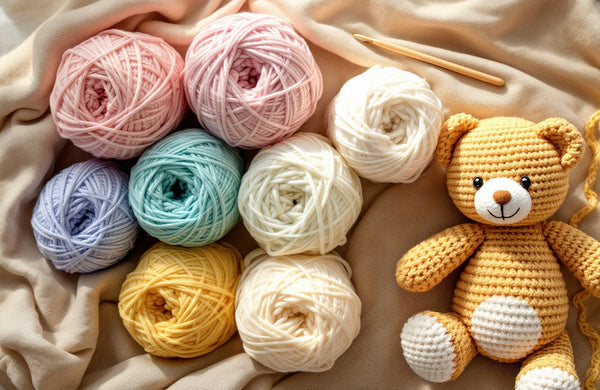
Best Yarn for Amigurumi: The Complete Guide to Choosing the Right Fiber
Crochet Tips & How-To Best Yarn for Amigurumi: The Complete Guide to Choosing the Right Fiber Cotton, chenille, or acrylic? Learn exactly which yarn gives your...
Read full article
Crochet for Mindfulness: Present-Moment Focus with Hook and Yarn
Crochet Wellness Crochet for Mindfulness: Present-Moment Focus with Hook and Yarn How the quiet rhythm of stitching pulls you into the present moment — and how...
Read full article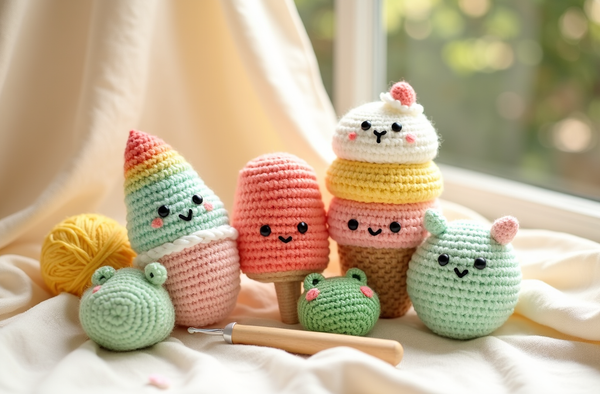
Squishy Summer Buddies: Easy No-Sew Summer Amigurumi Patterns (2026)
Summer Crochet · No-Sew · Beginner By Ava Collins · Updated July 2026 · 🕑 8 min read 🕑 10 min read Squishy Summer Buddies: Easy No-Sew...
Read full article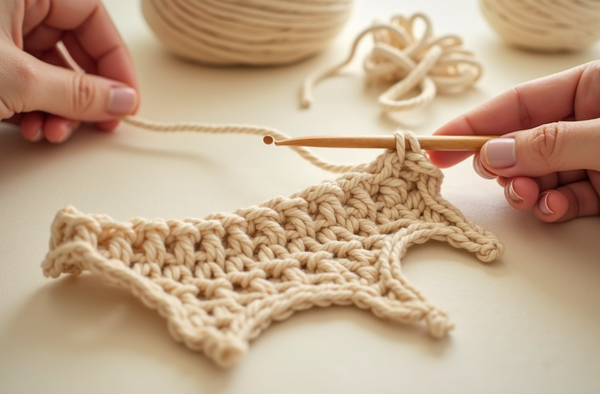
How to Join Yarn in Crochet: 5 Clean Methods for Seamless Projects
Ran out of yarn mid-row? Learn 5 clean, beginner-friendly ways to join yarn in crochet - the invisible join, magic knot, Russian join and more -...
Read full article