What Is Amigurumi? The Complete Beginner's Guide
The cute crochet toys taking over the internet — what amigurumi actually is, how they're made, and why they're a perfect beginner project.

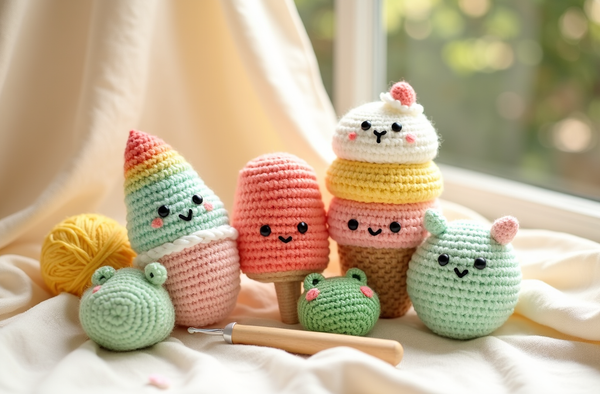
Amigurumi (pronounced ah-mee-goo-roo-mee) is the Japanese art of crocheting small, stuffed creatures — cuddly animals, characters and little objects with big personalities. The word combines the Japanese ami ("crocheted") and nuigurumi ("stuffed doll"). If you've ever seen an impossibly cute crochet bear, frog or dinosaur online, that's amigurumi — and the good news is it's far more beginner-friendly than it looks.
How is amigurumi made?
Almost every amigurumi follows the same recipe: start with a magic ring, work single crochet in a spiral, increase to grow the shape and decrease to close it, then stuff it firmly and add a face. Master those five moves and you can make almost any creature.
What you need
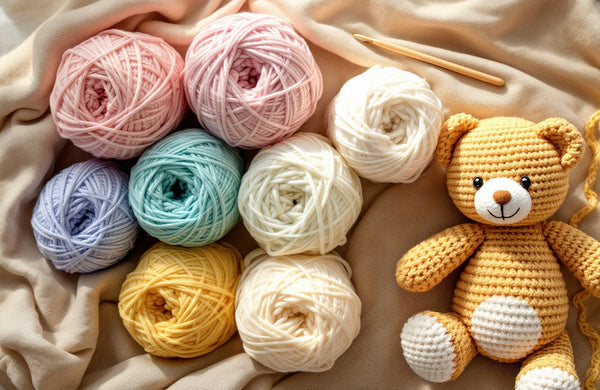
A medium hook (often 3.0–4.0 mm for tight stitches), soft worsted or "velvet" chenille yarn, polyester stuffing, a yarn needle, and optional safety eyes. Tip: use a hook one size smaller than the yarn label suggests, so stitches stay tight and the stuffing never peeks through.
"The moment you add the eyes and your little creature looks back at you — that's when everyone falls in love with crochet."— Ava, MrsCrochetWorld
No-sew vs. sewn — and great first makes
Some amigurumi are made in one piece (no-sew) — ideal for beginners. Others have separate arms, legs and ears you sew on. Start no-sew, then level up.

No-sew amigurumi (start here)
One piece · no sewingThe whole creature is worked in one continuous piece, so there's nothing to sew together — the part beginners find fiddliest is simply removed. Try a free no-sew pattern and learn the no-sew techniques first.

Classic stuffed characters
Sew-togetherOnce you're comfortable, sewn amigurumi let you make detailed characters with separate limbs and features. Learn to attach parts neatly and add safety eyes for that polished look.

Animals, dinos & beyond
Endless varietyFrom cuddly dinosaurs to woodland animals and pop-culture favourites, amigurumi can be anything you imagine. Pick a beginner-rated design and follow it stitch by stitch — see our easy beginner patterns.
The 5 core amigurumi skills
Magic ring
A tidy, adjustable starting circle so there's no hole in the middle.
Working in a spiral
Continuous rounds of single crochet — use a stitch marker to track your start.
Increase & decrease
Add or skip stitches to sculpt the 3D shape — the heart of amigurumi.
Stuffing
Fill firmly and evenly so your creature holds its shape and stands proud.
Faces & finishing
Safety eyes and a few stitches give your make its personality.
Beginner amigurumi tips
- Go one hook size down from the yarn label for tight stitches and no gaps.
- Use a stitch marker to mark the first stitch of each round — spirals are easy to lose count on.
- Stuff as you go for small parts; you can't reach in once it's nearly closed.
- Start no-sew to skip the assembly step entirely for your first make.
Make your first cuddly creature 🧸
Start with a free, beginner-friendly amigurumi — instant download, clear photos, no sewing.
Get a free amigurumi Shop beginner patternsFrequently asked questions
What is amigurumi?
Amigurumi is the Japanese art of crocheting small, stuffed toys — cute animals, characters and objects. The name combines "ami" (crocheted) and "nuigurumi" (stuffed doll).
Is amigurumi good for beginners?
Yes — especially no-sew designs. Amigurumi uses just a few simple stitches worked in a spiral, so it's very beginner-friendly and extremely rewarding.
What stitches do I need for amigurumi?
Mostly single crochet, plus a magic ring, increases and decreases. Master those and you can make almost any creature.
What yarn and hook are best for amigurumi?
Soft worsted or velvet chenille yarn with a hook one size smaller than the label suggests, so stitches stay tight and the stuffing doesn't show.
What does "no-sew" amigurumi mean?
The whole toy is worked in one continuous piece, so there are no separate parts to sew together — perfect for your very first amigurumi.
How long does an amigurumi take to make?
A small, simple amigurumi can be finished in an afternoon or two; larger, detailed characters take longer. Beginners should start small for a quick win.
Do I need safety eyes?
They give a polished look, but you can also embroider eyes with yarn — a safe choice for toys intended for very young children.
Why does my amigurumi have gaps?
Usually your tension is too loose or your hook is too big. Go down a hook size and keep your stitches snug so the stuffing stays hidden.