How long does it take to crochet a blanket?
From a quick lap throw to a full king-size, here is exactly what to expect — broken down by size, yarn weight, and stitch choice — so you can plan your project with total confidence.

There is a moment every crocheter knows: you sit down with fresh yarn, a cozy hook, and the grand idea of making a blanket — then wonder how many episodes of your favorite show it will actually take. The honest answer depends on a handful of variables, and once you understand them you can plan any blanket project with total confidence.
Why blanket time estimates vary so much
Before the numbers, it helps to understand the levers that control them.
Three factors dominate how long a blanket takes: yarn weight, stitch complexity, and your tension speed. A beginner working with bulky yarn on a 10 mm hook will finish a lap blanket in a weekend. The same person crocheting baby-weight yarn on a 2.5 mm hook could spend a month on the same square footage. Neither approach is wrong — they just produce very different drape, warmth, and texture.
Stitch choice matters enormously too. A simple single crochet fabric is dense and slow to grow. A double crochet row covers the same width almost twice as fast because each stitch is taller. Openwork patterns like the V-stitch or shell stitch can be even speedier, though they use more yarn. Textured stitches like the waffle stitch or bobble stitch are beautiful but add significant time per row.
Time estimates by blanket size
These ranges assume a confident beginner to intermediate crocheter working with worsted-weight yarn and a 5 mm hook at a relaxed pace of about 15–20 stitches per minute.
Baby blanket (30" × 36"): 8–15 hours. This is the ideal first blanket. You can finish it across a long weekend. Using a simple stitch like a half double crochet keeps rows moving quickly.
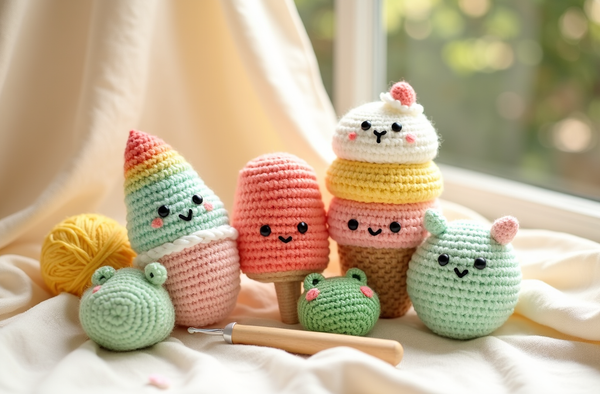
Lovey / security blanket (14" × 14"): 2–4 hours. More of a mini project — great for gifts in a hurry. Pair it with an amigurumi animal head for an extra-adorable result.
Lap blanket / throw (45" × 60"): 20–40 hours. The workhorse of blanket crocheting. Most people spread this across two to four weeks of casual evening sessions. If you are learning to change colors, this size gives you plenty of practice rows.
Twin-size (60" × 80"): 40–60 hours. A noticeable step up. The width means longer rows and more turning time. Dividing the blanket into granny squares (then joining) is a popular strategy to make it feel less daunting — and lets you carry your work anywhere.
Full / double (80" × 90"): 60–80 hours. A serious commitment of 6–10 weeks for most hobbyists. Very satisfying when complete. Bulky yarn can cut this roughly in half.
Queen / king (90"–108" wide): 80–120+ hours. Reserve this for a special gift or a personal heirloom project. Breaking it into modular granny squares is almost essential both for portability and sanity.
How yarn weight changes everything
Yarn weight is the single biggest lever you can pull to speed up or slow down a blanket.
Super bulky (weight 6) or jumbo (weight 7): These yarns can cut a standard throw time down to 8–12 hours — sometimes as little as an evening on a chunky arm-knit or a 15 mm+ hook. The trade-off is a heavier, less drapey fabric and a much higher yarn cost per yard.
Bulky (weight 5): A great middle ground. You still get big, fast progress but with a softer hand. Throws take roughly 15–25 hours.
Worsted (weight 4): The sweet spot for most blanket patterns. Widely available, affordable, and machine-washable options abound. 20–40 hours for a throw.
DK or sport (weight 3): Lovely drape and detail, but rows take noticeably longer. Expect 40–60 hours for a throw.
Fingering / sock (weight 1–2): Unless you are intentionally making a heirloom lace piece, this is a very slow route to a blanket. Budget 80–150+ hours for a throw. These yarns shine for amigurumi — see our guide on best yarn for amigurumi for more details.
"Every blanket I have ever finished started with a first stitch I almost talked myself out of making. Just cast on — the hours take care of themselves."— Ava, MrsCrochetWorld
Speeding up without sacrificing quality
Smart choices at the start of a project can shave hours off the total without any extra effort.
Go up a hook size. Many patterns are written for a 5 mm hook with worsted, but swatching with a 5.5 mm can add 10–15% more size to your stitch without changing yarn — meaning fewer total rows. Always check your tension stays consistent.
Choose taller stitches. Double crochet covers the same width roughly 1.7× faster than single crochet because each stitch is taller. Triple (treble) crochet is faster still. Learn the basics in our treble crochet guide.
Work in the round with granny squares. Turning the work at the end of every row uses up surprising amounts of time and can cause tension to shift. Crocheting small squares in the round eliminates turns entirely. Then you join them — either as you go or all at the end.
Use ergonomic hooks. If your wrist or hand tires quickly, check our best crochet hooks guide — a comfortable grip hook can add 20–30 extra minutes of comfortable crocheting per session, which adds up fast over a big project.
Avoid frequent color changes. Each color change means cutting yarn and eventually weaving in ends. A blanket with 10 color stripes might add two to three extra hours just for finishing. If you love stripes, carrying the yarn up the side (when changing every few rows) dramatically reduces weave-in time — see our guide to weaving in ends.
Finishing time: the step people forget
Many crocheters carefully track their crocheting hours but forget to account for finishing. A large blanket can easily produce 50–80 yarn tails to weave in. At 1–2 minutes per tail, that is an additional 1–2 hours before you even get to blocking.
Blocking a blanket — either wet blocking or steam blocking — can add another 30–60 minutes of active work plus several hours of drying time. For cotton or natural fiber blankets the result is stunning and absolutely worth the wait. Our full guide to blocking crochet walks you through every method.
Great blanket-worthy patterns to try next
Whether you are a total beginner or looking for a satisfying new challenge, these patterns are perfect companions for long, cozy blanket sessions.

Granny Square Tote Bag Pattern
Granny Square · Beginner-FriendlyPractice the iconic granny square motif — the building block of countless blankets — while making a gorgeous everyday bag at the same time. Once you can work a granny square in the round, scaling up to a full-size blanket feels completely achievable. This pattern includes a step-by-step granny square tutorial so you are never left guessing.

50 No-Sew Amigurumi Bundle
Bundle · Amigurumi · No-SewIf a long blanket project sounds daunting right now, this 50-pattern bundle offers a different kind of satisfaction: quick wins that build real technique. Each small toy uses exactly the same core stitches you will need for a blanket — single crochet, increases, decreases — so every amigurumi is secretly blanket practice in disguise. Explore the full bundle guide to see what is inside.

9 Modern Bag Patterns Bundle
Bundle · Bags · ModernNine bag designs — all built around granny square or panel construction — give you a structured way to practice working in rows and joining panels, which is the exact same process used for blanket blocks. These are great projects to sell if you want to monetize your crochet time too. Browse the full bags collection for even more inspiration.
How to estimate your personal blanket timeline
Everyone crochets at a different pace. These six steps help you calculate a realistic finish date for any project.
Find the stitch count
Check your pattern for the total number of stitches per row and the total row count. Multiply them together to get your project's grand stitch total.
Time yourself for 5 minutes
Set a timer and crochet at a comfortable pace. Count how many stitches you complete. Multiply by 12 to get your hourly stitch rate — this is your personal speed.
Divide total stitches by your rate
Total stitches ÷ your hourly rate = estimated crocheting hours. A standard worsted throw is around 30,000–50,000 stitches for most stitch patterns.
Add 20% for finishing
Weaving in ends, seaming panels, and blocking all add time. A 20% buffer keeps your estimate realistic and removes surprise frustration near the finish line.
Map it to your schedule
Decide how many hours per week you can realistically crochet. Divide total hours by that number to get your finish date — then add a week as a buffer for life's interruptions.
New to crochet? Start here
If you are still learning the basics, visit our complete beginner guide to crochet before diving into a blanket. Solid fundamentals make every hour of blanket crocheting faster and more enjoyable.
Practical tips for staying motivated on long blanket projects
- Set micro-goals. "Finish 10 rows tonight" is far more motivating than "finish the blanket someday." Track your rows in a simple notebook or use stitch markers every 25 rows as visible progress milestones.
- Join a crochet-along. A CAL (crochet-along) with a set schedule of weekly sections gives you external accountability and a community to troubleshoot with. Check the beginner patterns collection for patterns that have active communities.
- Keep your project portable. Roll your blanket into a project bag so you can pick it up on commutes, waiting rooms, or quiet evenings away from home. Every stolen 20-minute session adds up to real progress.
- Photograph your progress. Taking a photo after every 10 rows — especially for colorwork — shows you how much the pattern is developing and reminds you why you started. It is also great material for sharing your journey. Check our tips on photographing crochet work for better images.
- Fix mistakes early. A dropped stitch or missed increase in row 5 is nothing — in row 85 it becomes a major rip-back. Checking your stitch count every 10 rows takes only a moment and can save hours of frogging later. Our crochet mistakes guide covers the most common slip-ups and exactly how to correct them.
- Pair with something enjoyable. Audiobooks, podcasts, and long TV series are a crocheter's best friend. The combination of engaging listening and rhythmic stitching creates a genuinely meditative state — which is one of the core mental health benefits of crochet that keeps so many of us hooked.
Ready to start your blanket journey?
Grab a free pattern to warm up your skills, or browse our beginner-friendly collection for a project sized perfectly for where you are right now. Every expert blanket maker started with a first stitch — yours is waiting.
Get a free pattern Shop beginner patternsFrequently asked questions
How long does it take to crochet a baby blanket?
A baby blanket (roughly 30" × 36") typically takes 8–15 hours for a beginner to intermediate crocheter using worsted-weight yarn and a 5 mm hook. Choosing a simple stitch like half double crochet and working in long rows (rather than lots of short pieces) keeps things moving efficiently. Most people finish a baby blanket across a long weekend of relaxed sessions.
How many hours does a throw blanket take to crochet?
A standard throw blanket (approximately 45" × 60") takes about 20–40 hours with worsted-weight yarn and a 5 mm hook. The wide range reflects differences in stitch choice (double crochet is much faster than single crochet), yarn weight, and individual pace. Using bulky yarn on a 9–10 mm hook can bring this down to 10–15 hours.
What is the fastest stitch to use for a crochet blanket?
Double crochet is generally the fastest practical stitch for blankets — each stitch is taller than single crochet, so you cover more height per row. Treble crochet is even faster but creates a more open, lacy fabric. Openwork patterns like the V-stitch or shell stitch are also quick because they skip stitches intentionally. Avoid very dense stitches like moss stitch or bobble stitch if speed is your main goal.
Does yarn weight really make that big a difference in blanket time?
Yes — yarn weight is probably the single biggest factor in blanket speed. A super bulky or jumbo yarn on a 12–15 mm hook can reduce a throw blanket from 30 hours to as few as 8–12 hours. Conversely, using fingering or sport weight yarn can push the same blanket to 60–100+ hours. If you want a fast result, choose the heaviest yarn that still gives you the drape and softness you want for the finished piece.
How do I calculate how long my specific blanket will take?
Time yourself crocheting for 5 minutes at a comfortable pace and count your stitches — then multiply by 12 to get your hourly stitch rate. Next, find the total stitch count in your pattern (stitches per row multiplied by number of rows). Divide total stitches by your hourly rate to get your estimated crocheting hours. Add about 20% for finishing tasks like weaving in ends and blocking.
Can a beginner crochet a blanket, or is it too advanced?
Blankets are actually among the most beginner-friendly projects because they usually require only one or two basic stitches repeated over and over. A simple single crochet or double crochet blanket worked in rows is a great second or third project after learning a dishcloth or scarf. The challenge is patience rather than technique. Check our beginner crochet guide for the foundational skills you need before you start.
How long does a queen or king size blanket take to crochet?
A queen-size blanket (around 90" × 108") typically takes 80–120 hours or more with worsted-weight yarn. Many experienced crocheters spread this over 2–4 months of regular sessions. Using bulky yarn or breaking the project into granny squares (which can be worked in portable sessions) are the two most popular strategies for tackling a large blanket without burnout.
Should I include blocking time in my blanket estimate?
Yes — blocking is often underestimated. Wet blocking a large blanket requires 30–60 minutes of active work (soaking, squeezing out water, pinning or laying flat) plus 12–24 hours of drying time depending on fiber and climate. For acrylic yarn, steam blocking is faster but still adds 30–45 minutes. Always factor finishing — weaving in ends plus blocking — into your overall project timeline.
Related guide: crochet blanket size chart (baby to king) with yarn amounts.