Best Yarn for Beginners — Complete Crochet Yarn Guide
Choosing your first yarn doesn't have to be overwhelming. This guide walks you through exactly what to look for so you can pick up your hook with confidence and actually enjoy the process.

Walk into any craft store and the yarn wall can feel like a beautiful, intimidating rainbow. There are so many textures, weights, fiber types, and brand names — and as a beginner, none of the labels quite make sense yet. The good news? You only need to know a few key things to pick a yarn that will make learning to crochet genuinely fun.
Why yarn choice actually matters for beginners
The right yarn removes friction. The wrong yarn creates it.
When you're still building muscle memory for how to hold your hook and learning to count your stitches, the last thing you need is a fuzzy yarn hiding your work or a slippery silk that keeps sliding off the hook. A beginner-friendly yarn lets you focus on technique, not troubleshooting.
The three things to look for on the label
Before you grab any yarn, flip the label and check these three things:
1. Weight (thickness). Look for the small skein symbol with a number inside. For beginners, size 4 (worsted weight) is ideal. It's thick enough to see clearly but not so bulky that stitches feel stiff. Most beginner crochet guides and free patterns are written for worsted weight for exactly this reason.
2. Fiber. Acrylic is the top recommendation for brand-new crocheters. It's machine washable, very affordable, comes in every color imaginable, and is forgiving if you need to frog (undo) your work repeatedly. Cotton is a great second choice — especially for dishcloths or amigurumi — since it holds its shape well. Avoid mohair, chenille, or anything labeled "eyelash" until you're more comfortable: these fibers are beautiful but they make it nearly impossible to see your stitches.
3. Recommended hook size. The label will suggest a hook size (usually in mm). Match that recommendation when you're starting out. If you're using a 5.0 mm or 5.5 mm hook, you're right in the sweet spot for a beginner project.
Color matters more than you think
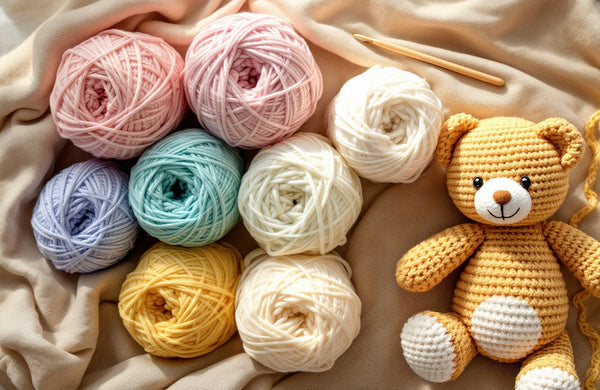
Choose a light or medium solid color for your very first project. Pale cream, soft blue, mint green — anything where you can clearly see each stitch loop. Dark colors (black, navy, burgundy) make it genuinely hard to spot mistakes or count rows, which is frustrating when you're still learning how to single crochet or how to double crochet. Variegated (multicolor) yarn is tempting but also hides stitch definition — save the gorgeous self-striping skeins for your second or third project.
"The right yarn doesn't just make your project look better — it makes the whole learning process feel like play instead of work."— Ava, MrsCrochetWorld
Patterns that pair perfectly with beginner yarn
Once you have your yarn sorted, these projects give you a satisfying result without overwhelming stitch counts.

50 No-Sew Amigurumi Bundle
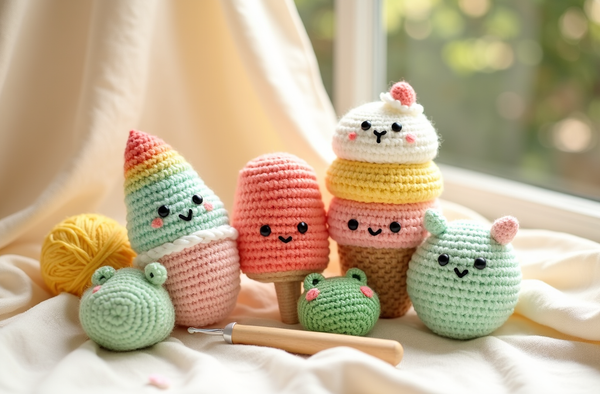
Best for cotton yarnCotton worsted yarn is the classic choice for amigurumi because it gives crisp stitch definition and a firm fabric that holds the stuffed shape. This 50-pattern bundle is written for beginners with clear step-by-step instructions — perfect for practicing your tension across small, quick projects.

Granny Square Tote Bag
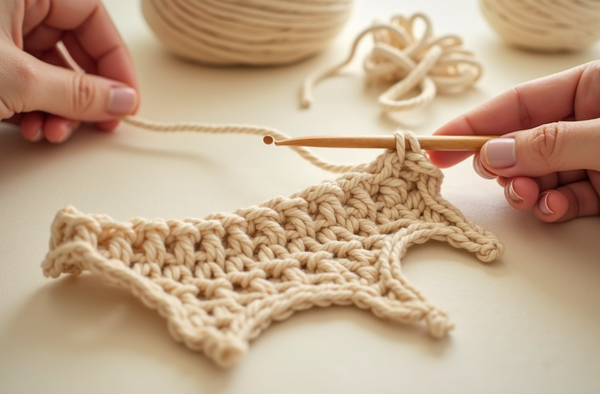
Best for acrylic yarnGranny squares are one of the best beginner exercises because each square is small and self-contained. A smooth worsted acrylic lets you see every corner join clearly. Once you've mastered the granny square, you can join them into this stylish tote bag — a project with a gorgeous real-life payoff.

Free Giraffe Amigurumi Pattern
Free starter projectBefore you spend on a full pattern bundle, grab this free no-sew giraffe to test how your yarn behaves when crocheting in the round. It's a low-stakes way to learn how different fibers affect the finished look — and you'll have an adorable giraffe to show for it.
Six yarn types every beginner should know
A quick reference so you always know what you're picking up.
Acrylic (size 4)
The gold standard for beginners. Affordable, machine washable, forgiving when frogged. Brands like Red Heart Super Saver or Lion Brand Pound of Love are widely available and reliable.
Cotton
Slightly less stretchy than acrylic, which teaches good consistent tension. Ideal for amigurumi and dishcloths. Look for 100% cotton or cotton-acrylic blends labeled worsted or DK weight.
Wool blends
Superwash wool blends are a step up once you're comfortable. They're elastic (forgiving tension) and beautiful for wearables, but cost more and require gentle washing.
Bamboo/cotton blends
Silky, cool to the touch, and great for summer accessories. Slightly slippery for absolute beginners but worth trying once you have a few projects under your belt.
Yarns to avoid first
Chenille, velvet, and fuzzy mohair all hide your stitches. Thin lace weight (size 0–1) requires much more focus. Novelty or sequin yarn tangles easily — save these for later.
Ready to start crocheting?
Learn every beginner stitch, tool, and technique in one place with our Complete Beginner Guide to Crochet — free, step-by-step, no fluff.
Pro tips for buying your first yarn
- Buy a single skein first. Before committing to a full project's worth, grab one skein and crochet a small swatch. Feel how it moves on the hook and check whether you can see each stitch clearly.
- Match yarn weight to your pattern. Always check what weight your pattern calls for. Swapping a worsted for a bulky changes the size of your finished piece dramatically. Check our yarn substitution guide if you want to swap.
- Check the yardage, not just the weight. Two skeins of the same weight can have very different yardage. A 100 g skein of acrylic may give you 200 m, while a cotton skein of the same weight might only give you 180 m.
- Save your yarn label. Tape it to a card with a small yarn sample. If you need to buy more mid-project, you'll have the exact dye lot number — this prevents color mismatches.
- Shop your stash before buying. If you already have yarn at home, check whether it fits your pattern's weight and fiber requirements before heading to the store.
- Don't overthink it. Perfection isn't the goal at the start. A basic worsted acrylic in a color you love will teach you more than any expensive specialty yarn. Crochet is easier than you think once you have the right tools and yarn in hand.
Ready to crochet your first project?
Grab your beginner yarn, pick up a 5.0 mm hook, and choose a pattern that excites you. Our free patterns are the perfect low-pressure starting point.
Get a free pattern Shop beginner patternsUK & Australian yarn names: DK, 8 ply and “wool”
Shopping outside the US? The same yarns wear different labels. In the UK yarn weights have names like DK and aran, while Australia and New Zealand size yarn by ply — and in both countries many crocheters simply say “wool” for any yarn, even acrylic or cotton. This chart translates everything:
| US weight | UK name | Australia / NZ |
|---|---|---|
| #1 Super Fine — fingering / sock | 4 ply | 3–4 ply |
| #2 Fine — sport / baby | 5 ply | 5 ply |
| #3 Light — DK / light worsted | DK | 8 ply |
| #4 Medium — worsted / aran | Aran | 10 ply |
| #5 Bulky | Chunky | 12 ply |
| #6 Super Bulky | Super chunky | 14+ ply |
Most of our amigurumi patterns call for a US #3 light (UK DK / AU 8 ply) or #4 medium (UK aran / AU 10 ply) yarn — the exact weight is always listed inside each pattern. Hook sizes work the same everywhere once you think in millimetres: see our mm-to-letters hook chart and the full US, UK & Australian terms guide.
Frequently asked questions
What is the best yarn weight for beginner crochet?
Worsted weight (size 4) is almost universally recommended for beginners. It's thick enough to see your stitches clearly and fast enough to finish projects without getting bored, but not so bulky that everything feels stiff. Pair it with a 5.0 mm or 5.5 mm hook for the easiest experience.
Is acrylic or cotton yarn better for beginners?
Acrylic is generally better for absolute beginners because it's very affordable, machine washable, and has a slight stretch that makes it forgiving on tension. Cotton is a close second and is excellent for amigurumi or kitchen projects. Both are great choices; acrylic just has a lower learning curve.
What yarn should beginners avoid?
Avoid fuzzy or textured yarns like mohair, chenille, or velvet when you're starting out — they hide your stitches and make it nearly impossible to see mistakes. Also skip very thin lace weight yarn and very thick bulky yarn until you're more comfortable with tension and stitch counting.
Does yarn color matter for learning crochet?
Yes, color matters a lot for beginners. Choose a light or medium solid color so you can clearly see each stitch loop and count your rows easily. Dark colors like black or navy hide the stitch structure and make it hard to spot errors. Save dark or variegated yarns for when you're more confident.
How much yarn do I need for a first crochet project?
For a small beginner project like a dishcloth or simple amigurumi, one 100 g skein of worsted weight yarn (around 170–200 m) is usually plenty. For a scarf, you'll typically need two to three skeins. Always check the yardage listed in your pattern before buying.
Can I use any yarn for amigurumi?
Cotton or a smooth acrylic works best for amigurumi because both create a tight, firm fabric that prevents stuffing from showing through. Cotton gives slightly crisper stitch definition. Avoid fluffy or stretchy yarns for amigurumi as they create gaps and distort the shape of the finished toy.
What hook size should I use with worsted weight yarn?
For standard worsted weight (size 4) yarn, a 5.0 mm or 5.5 mm hook is a common starting point. Always check the hook size recommended on your yarn label or in your pattern. For amigurumi, crocheters often go down one hook size (to 4.0 mm or 4.5 mm) to create a tighter fabric.
Is expensive yarn worth it for beginners?
Not at first. A quality but affordable acrylic like Red Heart, Lion Brand, or Caron is perfectly appropriate while you're building your skills. Save the hand-dyed indie yarns and luxury fibers for projects you're confident about completing — by then you'll also know exactly what qualities you're looking for in a yarn.