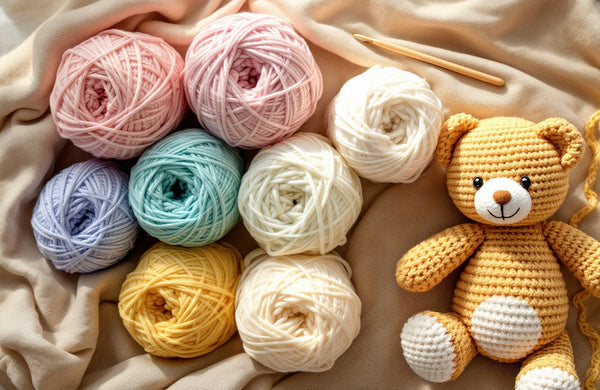
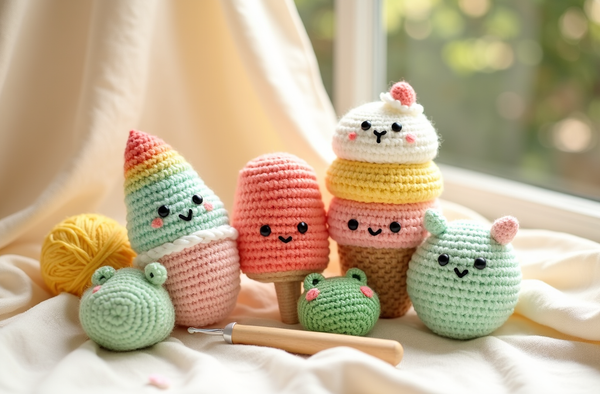
Picking the right yarn is the single biggest decision that shapes how your amigurumi turns out. The wrong fiber leaves gaps that show stuffing, splits under your hook, or pills within a week of cuddling. In this guide you'll learn which yarns work best for amigurumi, why cotton earns its classic reputation, when chenille and acrylic shine, the ideal yarn weight, and the pitfalls to avoid, so your next plushie looks tidy, feels lovely, and lasts.

Why Yarn Choice Matters for Amigurumi
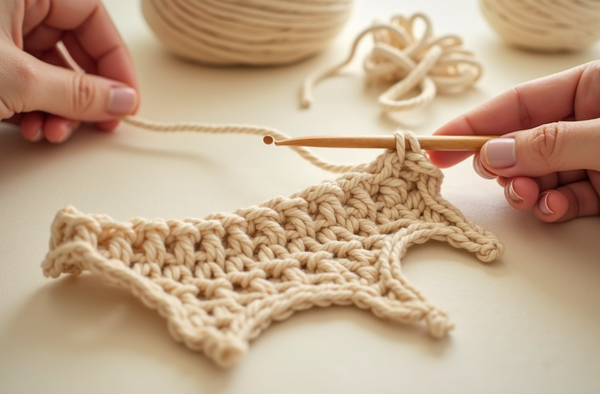
Amigurumi is worked in tight, continuous spirals of single crochet, usually at a hook size smaller than the yarn label suggests. That density is what keeps stuffing hidden and gives your plushie its firm, huggable shape. Because the stitches are packed so closely, the yarn you choose is doing a lot of visible work.
A fiber with good stitch definition makes every round crisp and even. A slippery or overly fuzzy yarn hides your stitches, which sounds forgiving but actually makes counting rounds and finding your place much harder, especially for beginners. The right yarn also affects how the finished toy feels in the hand, how well it holds its form, and how it survives being loved and washed.
In short: the pattern gives you the map, but the yarn decides the texture, structure, and longevity of the destination.

Cotton Yarn — The Classic Amigurumi Choice
Ask experienced amigurumi makers what they reach for, and most will say cotton. There's a good reason it's the traditional favorite: 100% cotton yarn has firm, non-stretchy plies that hold a stitch beautifully. Your single crochets stay crisp, your rounds stay even, and the finished surface looks clean and defined.
Cotton also doesn't split easily when you insert your hook, which keeps your work tidy and your frustration low. It holds color vividly, which is perfect for the bright, cheerful palettes amigurumi is known for. And because it has little stretch, stuffed shapes keep their form instead of sagging over time.
What to know about cotton
- Excellent stitch definition, so counting rounds is easy
- Firm structure that holds a plushie's shape
- Slightly less soft than plush yarns, though still pleasant
- Can be a touch harder on the hands during long sessions
If you're learning amigurumi or want a reliable, professional-looking result, a smooth worsted or sport-weight cotton is the safest place to start.

Chenille & Velvet Yarn — For Ultra-Soft Plushies
If your goal is a plushie that feels irresistibly soft, chenille (often sold as velvet yarn) delivers that luxurious, cuddly hand-feel no cotton can match. It's a popular choice for baby toys and gift plushies because the finished surface looks like a store-bought stuffed animal.
The trade-off is workability. Chenille has a slippery pile that can hide your stitches, making it harder to see where each single crochet sits. It's also prone to "worming," where the yarn twists into little loops if your tension isn't consistent. None of this is a dealbreaker, but it does mean chenille rewards a bit of experience.
Best for: soft toys, baby-safe plushies, and anyone who prioritizes a squishy, premium feel over crisp stitch visibility.
Acrylic Yarn — Budget-Friendly and Widely Available
Acrylic is the workhorse of the yarn aisle: inexpensive, available in an enormous range of colors, and easy to find in any craft store. For amigurumi, a good-quality acrylic can absolutely produce lovely results, and it's often where new makers begin because it's forgiving on the budget while you practice.
The main things to watch are pilling and stitch definition. Cheaper acrylics can look fuzzy over time and may not show stitches as crisply as cotton. Higher-quality "smooth" acrylics, on the other hand, behave much more like cotton and hold up well.
| Feature | Cotton | Chenille / Velvet | Acrylic |
|---|---|---|---|
| Stitch definition | Excellent | Low (hides stitches) | Good (smooth types) |
| Softness | Medium | Very high | Medium–high |
| Holds shape | Excellent | Good | Good |
| Ease for beginners | High | Lower | High |
| Budget | Mid | Mid–high | Low |
| Best for | Crisp, tidy toys | Ultra-soft plushies | Practice & volume |
Yarn Weight for Amigurumi — What Size to Use
Weight refers to how thick the yarn strand is, and it directly controls the finished size of your plushie. Most amigurumi patterns are written for one of these weights:
- Sport / DK (light worsted): Popular for small to medium amigurumi with fine detail. Gives a neat, refined finish.
- Worsted / Aran (medium): The most common all-round choice. Works up quickly and is beginner-friendly.
- Fingering (fine): For miniature amigurumi and keychains where tiny stitches matter.
- Bulky / chenille: Produces large, squishy plushies fast; great for chenille and velvet yarns.
Whatever weight you pick, remember the golden amigurumi rule: use a hook smaller than the yarn label recommends. If a worsted yarn suggests a 5.0 mm hook, most amigurumi makers drop to a 3.5 mm or 4.0 mm hook to create dense fabric that won't leak stuffing. Consistency matters more than the exact number, so pick a weight, match your hook, and keep it the same throughout a project.
What to Avoid: Pilling, Loose Plies, and Slippery Yarn
Not every yarn is a friend to amigurumi. A few common problem traits can undo hours of careful work:
- Loosely plied yarn: Splits constantly under the hook, so your stitches look messy and progress feels slow.
- Highly textured or "fun fur" yarn: Completely hides stitches, making it nearly impossible to count rounds accurately.
- Very slippery yarns (some silky blends): Won't hold tension well, and stuffed shapes can lose their crispness.
- Low-quality acrylic prone to pilling: Looks tidy at first but fuzzes up quickly with handling and washing.
- Overly stretchy yarn: Lets stuffing distort the shape and can reveal gaps between stitches.
When in doubt, crochet a small test swatch of tight single crochet. If the stitches look clean, the fabric feels firm, and no stuffing would peek through, you've found a good match.

Easy No-Sew Amigurumi — Beginner Crochet Pattern Book
New to plushies? This beginner-friendly book pairs perfectly with a smooth cotton or acrylic yarn. 50 super-simple, no-sew patterns to practice your fiber choices on.
Browse the Book →Tips for Choosing Yarn Color for Amigurumi
Color brings your plushie to life, and a few simple habits make it easier:
- Buy enough of one dye lot: Colors can vary slightly between batches, so grab all you'll need for a project at once.
- Favor solids for the body: Solid, non-variegated yarn keeps stitch definition clean and makes shaping easy to see.
- Match softness across colors: Use the same yarn line for every color in a toy so the fabric feels and behaves consistently.
- Save variegated yarn for accents: It's charming for small parts but can look busy across a whole body.
- Think about contrast: Choose face and detail colors that stand out against the main body so features read clearly.
When you're matching a specific character or a gift recipient's favorite shade, cotton's rich, true colors make it especially easy to find the perfect match.

50-in-1 No-Sew Amigurumi Bundle — Crochet Pattern PDF
Ready to put your yarn choices to work? Fifty adorable no-sew patterns in one instant-download bundle, ideal for testing cotton, chenille, and acrylic across many projects.
Get the Bundle →Yarn for Specific Amigurumi Parts: Eyes, Mouth, and Details
The main body isn't the only place yarn matters. Small details give your plushie personality, and they often call for a slightly different approach:
- Embroidered eyes and mouths: A smooth cotton embroidery thread or a thinner strand of your main yarn gives clean, controlled lines. Avoid fuzzy yarn here, since details blur.
- Safety eyes vs. crocheted eyes: If you use safety eyes for a professional look, any firm yarn body works well. For baby-safe toys, embroider features with tightly plied cotton instead.
- Cheeks and blush: A wisp of pink cotton or a light brush of blush adds charm without bulk.
- Small appendages (ears, tails, noses): Keep these in the same yarn family as the body so texture stays consistent, even if you switch colors.
- Contrast accents: Firm, non-splitty yarn makes tidy stripes, spots, and outlines far easier than a loose or slippery fiber.
A good habit: crochet the body in your chosen main yarn, but keep a small stash of smooth cotton on hand specifically for the fine details that make a plushie feel finished.
Frequently Asked Questions
What is the best yarn for amigurumi beginners?
A smooth, medium-weight (worsted) 100% cotton yarn is the best starting point. It has excellent stitch definition, doesn't split easily, and holds a plushie's shape, so beginners can see and count every stitch clearly. A good-quality smooth acrylic is a budget-friendly alternative while you practice.
Is cotton or acrylic better for amigurumi?
Cotton generally gives crisper stitches, holds its shape better, and looks more professional, which is why it's the traditional favorite. Acrylic is cheaper, widely available, and softer to the touch, making it great for practice and high-volume projects. Many makers use cotton for keepsakes and acrylic for everyday toys.
What yarn weight should I use for amigurumi?
Worsted (medium) weight is the most common and beginner-friendly. Sport or DK weight suits smaller, more detailed pieces, and fingering weight is for miniatures. Whatever weight you choose, always pair it with a hook one or two sizes smaller than the label recommends to create dense fabric.
Why should I use a smaller hook than the yarn label says?
Amigurumi needs tight, dense stitches so the stuffing stays hidden and the toy holds its shape. Using a hook smaller than the yarn's recommended size closes up the gaps between stitches. For a worsted yarn that suggests a 5.0 mm hook, most makers drop to around 3.5–4.0 mm.
Is chenille (velvet) yarn good for amigurumi?
Yes, for ultra-soft, cuddly plushies chenille is wonderful and gives a premium, store-bought feel. The downside is that its pile hides stitches and it can "worm" if your tension is uneven. Use a slightly larger hook, keep consistent tension, and count carefully with a stitch marker.
What yarn should I avoid for amigurumi?
Avoid loosely plied yarns that split, highly textured or "fun fur" yarns that hide stitches, very slippery silky blends that won't hold tension, overly stretchy yarns that distort the shape, and low-quality acrylics that pill quickly. When unsure, crochet a tight test swatch to check the result.
Can I mix different yarn types in one amigurumi?
It's best to keep the main body in one yarn line so texture and gauge stay consistent. You can, however, use a different smooth cotton for embroidered details like eyes and mouths. Mixing very different weights or textures across a body can lead to uneven fabric and shaping.
How much yarn do I need for an amigurumi project?
It varies by size, but a small to medium amigurumi typically uses one to two skeins of worsted-weight yarn for the main color, plus small amounts of accent colors. Always check your specific pattern's yarn requirements and buy from the same dye lot to avoid color mismatches.
Does the yarn color affect how amigurumi looks?
Yes. Solid, non-variegated colors keep stitch definition clean and make shaping easy to see, so they're ideal for the body. Save variegated yarns for small accents. Choosing contrasting colors for facial features helps them stand out and gives your plushie a clear, expressive look.
Is cotton yarn hard on the hands?
Cotton has little stretch, so during very long sessions it can feel a bit firmer on the hands than acrylic. Taking short breaks, keeping relaxed tension, and using an ergonomic hook all help. Many makers find the crisp results well worth it, and the effect eases with practice.
What yarn is best for baby-safe amigurumi?
Choose a soft, washable yarn and always embroider facial features with tightly plied cotton instead of using safety eyes, since small parts can be a hazard for babies. Soft cotton or a gentle chenille both work well; just make sure the finished toy is securely fastened and machine-washable.
Can I use leftover scrap yarn for amigurumi?
Absolutely, small amigurumi and detail parts are perfect for using up scraps. Just make sure the scraps are a similar weight and fiber to keep the fabric consistent, and confirm you have enough of each color to finish a section without running out mid-round.
Ready to Start Your Next Plushie?
Now that you know the best yarn for amigurumi, put it to work with a pattern designed to make the process simple, tidy, and fun, no matter which fiber you choose.
Shop Amigurumi Patterns →