Best yarn for amigurumi: cotton vs acrylic (complete guide)
Choosing the right yarn makes amigurumi easier, cuter, and longer-lasting — here's exactly what to pick and why.

Standing in the yarn aisle staring at dozens of colors and fiber options? You're not alone. Picking yarn for amigurumi feels overwhelming the first time — but once you know what to look for, it becomes one of the most satisfying parts of the process. The right yarn holds its shape, keeps stuffing from peeking through, and makes every stitch pop with definition.
What makes yarn "good" for amigurumi?
Amigurumi have unique demands that differ from blankets or garments — here's what actually matters.
When you crochet amigurumi, you work in the round at a tighter tension than usual, pulling stitches close together so polyfill stuffing doesn't show through. That means you need yarn that is:
- Smooth (not fluffy): Fuzzy or brushed yarns hide your stitch definition and make it impossible to count rows. Save the mohair for scarves.
- Plied, not single-ply: A twisted, multi-ply yarn holds together better when you work increases and decreases and resists splitting on the hook.
- Colorfast: Toys get hugged, slobbered on, and washed. Dye that bleeds onto a child's hands is a dealbreaker.
- Consistent weight: Lumpy hand-dyed skeins are beautiful for shawls but frustrating when you're trying to hit a gauge for an amigurumi pattern.
Acrylic yarn for amigurumi: pros, cons, and best picks
Acrylic is by far the most popular choice — and for good reason.
Acrylic is machine-washable, widely available in hundreds of colors, affordable, and holds its shape beautifully in stuffed toys. It's also forgiving for beginners who are still working on even tension. Because acrylic has a slight sheen and bounce, finished plushies look bright and inviting.
The main downside is that acrylic is petroleum-based and not biodegradable. For toys intended as eco gifts, that may matter to you. Some crafters also find that acrylic feels slightly "squeaky" on the hook compared to natural fibers.
Top acrylic picks for amigurumi:
- Lion Brand Vanna's Choice (worsted, 100% acrylic): Smooth, soft, widely available, huge color range. A go-to for beginners.
- Paintbox Simply DK (DK weight): Smaller gauge = smaller, more detailed amigurumi. Excellent stitch definition.
- Scheepjes Cahlista (fingering/4 ply): Actually a cotton-acrylic blend — incredibly smooth and great for tiny pieces.
- Amigurumi Fil (fingering): Designed specifically for amigurumi; very light, tight twist, no splitting.
Cotton yarn for amigurumi: when it wins
Cotton has real advantages — especially for fine detail and summer-safe toys.
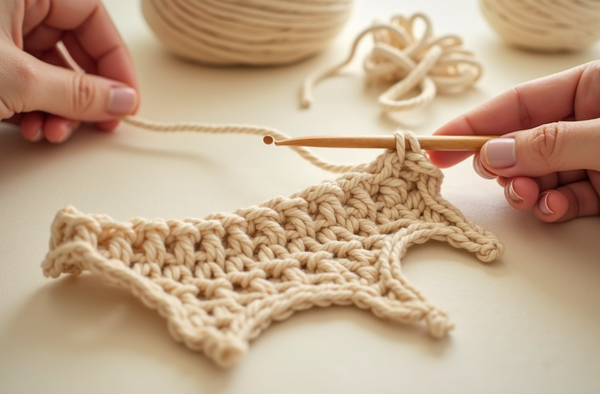
Cotton yarn is inelastic, which actually helps beginners maintain consistent tension. It's also naturally breathable, making it a good choice for teethers or items used by babies. Cotton holds stitch definition beautifully, so tiny facial features — like the sculpted smile on a crocheted animal body — show up crisp and clear.
The trade-off: cotton is heavier than acrylic, can feel stiff, and may shrink slightly in a hot wash. It's also more expensive and has a narrower color range in most craft stores. For large amigurumi like a 12-inch bear, cotton can make the finished toy feel dense and less huggable.
Best cotton picks:
- Paintbox Simply DK Cotton: Mercerized for sheen and softness; great for fine details.
- Drops Safran (fingering): Affordable, tight twist, holds shape well for tiny amigurumi.
- Ricorumi (DK): Purpose-made for amigurumi; comes in mini balls so you can try many colors cheaply.
"The yarn you finish a project with is always the best yarn — but starting with a smooth, plied acrylic will make your first amigurumi so much easier."— Ava, MrsCrochetWorld
Patterns that look amazing in the right yarn
These are some of our most popular amigurumi patterns — each designed with yarn choice in mind.

50 No-Sew Amigurumi Patterns Bundle
Best sellerFifty plushie designs — all no-sew construction — that work beautifully in smooth worsted-weight acrylic. Perfect for testing out a new yarn brand across many colorways.

Dinosaur Crochet Bundle (4 in 1)
Fan favoriteFour dino designs that shine in bright acrylic colors. The tight stitch count means good stitch definition is essential — exactly where smooth acrylic or mercerized cotton excels. Great practice for placing safety eyes accurately too.

Care Bears Amigurumi Pattern (4 in 1)
Gift ideaPastel-colored plushies like these are why a huge color range matters so much. Vanna's Choice or a similar smooth acrylic nails those classic Care Bear hues perfectly. These also make wonderful handmade gifts — pair with our crochet gift ideas guide for inspiration.
How to choose: a quick decision guide
Six factors to help you pick the perfect yarn for any amigurumi project.
Toy for a child
Choose machine-washable acrylic or certified cotton. Check the label for colorfastness and avoid novelty yarns with loose loops that tiny fingers could pull.
Tiny, detailed figures
Go fingering-weight cotton or DK acrylic. Smaller yarn = smaller gauge = crisper detail. Great for sewn-on features and intricate expressions.
Lots of color changes
Smooth acrylic wins here. The wider palette and matching dye lots make it easy to find exact shades. Check out how to change colors cleanly for invisible joins.
Eco-conscious crafting
Look for organic cotton, recycled acrylic, or bamboo blends. These are pricier but feel great and reduce environmental impact for gifts you're proud to give.
Quick weekend project
Worsted-weight acrylic crochets up the fastest. For easy beginner amigurumi, a single skein of worsted is all you need to finish in a day.
Still learning the basics?
Our complete beginner's guide to crochet covers hooks, tension, and first stitches — everything you need before you start your first amigurumi.
Pro tips for buying amigurumi yarn
- Buy the same dye lot: Even the same colorway can vary between lots. Grab extra skeins of your main color upfront — beginner yarn guides always stress this and it's genuinely important for matching pieces.
- Test your gauge: Amigurumi patterns often call for a hook one or two sizes smaller than the yarn label suggests, creating a tighter fabric. Always swatch and check your tension before starting.
- Avoid super-chunky yarn for small pieces: Bulky yarn can work for large stuffed animals but creates stiff, lumpy fabric in small figures. Stick to DK or worsted for most patterns in our amigurumi collection.
- Check for fuzz after washing: Some acrylics pill quickly. Rub a small swatch between your palms briskly for 30 seconds — if it pills badly now, it will pill on the finished toy after washing.
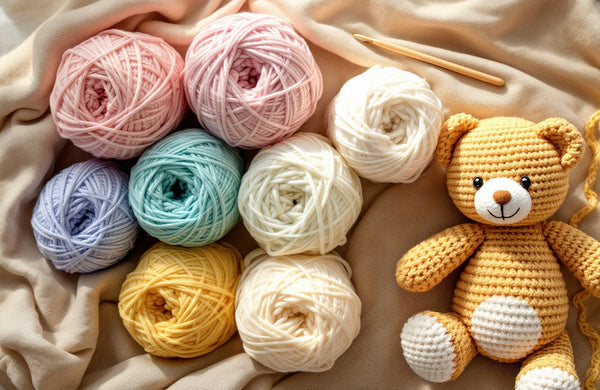
- Dark colors hide less: Black or deep navy yarn makes it hard to see your stitches. If you're still a beginner, start with a medium-value color like cream, sage, or dusty pink so you can count rows easily.
- Try a mini skein sampler: Brands like Scheepjes and Ricorumi sell mini-ball sets. They're perfect for trying fiber feel before committing to a full project, especially if you browse our free patterns first.
Ready to start your first amigurumi?
Grab a free pattern to test-drive your new yarn — no email required. Or browse our full beginner collection for step-by-step PDF patterns with photos on every row.
Get a free pattern Shop amigurumi patternsShopping in the UK or Australia?
Cotton and acrylic are called the same thing everywhere — only the weight labels change. The US #3 light / DK weight most amigurumi patterns love is sold as DK in the UK and 8 ply in Australia, while US #4 worsted appears as aran or 10 ply. If a fellow maker recommends a “wool”, don’t be confused: in the UK and Australia that word often just means yarn of any fibre. Full conversion tables live in our US, UK & Australian crochet terms guide.
Frequently asked questions
Is cotton or acrylic better for amigurumi?
For most crafters, acrylic is the better all-round choice: it's machine-washable, available in hundreds of colors, affordable, and has a consistent twist that gives crisp stitch definition. Cotton is excellent for fine detail work and toys used by babies, but it's heavier and less stretchy, which can make stuffing harder. If you're choosing for the first time, start with a smooth worsted-weight acrylic and branch into cotton once you're comfortable with tension and construction.
What weight yarn is best for amigurumi?
Worsted weight (also called size 4 or aran) is the most common starting point — it works up quickly and is easy to see your stitches. DK weight (size 3) gives you more detail and smaller proportions. Fingering or sport weight (size 1–2) creates tiny, precise figures but takes longer. Most patterns in our shop are written for worsted or DK, so either is a great place to begin.
Can I use any yarn for amigurumi?
Technically yes, but smooth, plied yarns work best. Avoid fuzzy, brushed, or loosely spun yarns because they hide your stitches and make it hard to count rows. Novelty yarns with loops or sequins can also catch on the hook and cause frustration. Stick to a tight, 4-ply or 6-ply construction for the cleanest results.
What hook size should I use with amigurumi yarn?
Amigurumi patterns typically call for a hook one or two sizes smaller than the yarn label recommends. This tightens the fabric so stuffing does not poke through the gaps. For example, if the yarn suggests a 5 mm hook, try a 3.5 mm or 4 mm for amigurumi. Always check the pattern's recommended hook size and compare it with a small swatch before starting.
Does yarn brand matter for amigurumi?
Brand matters less than fiber type, weight, and twist consistency. A budget acrylic with a tight, even twist will outperform an expensive yarn with a loose, splitty ply. That said, trusted brands like Lion Brand, Scheepjes, Paintbox, and Drops have consistent quality across their range, which makes it easier to replicate results from pattern photos.
Is amigurumi yarn the same as regular yarn?
Some brands sell yarn labeled specifically as amigurumi yarn, but it is simply a fine-weight (fingering or DK), smooth, tightly twisted acrylic or cotton. You do not need to buy specialty amigurumi yarn — any smooth DK or worsted-weight yarn with good stitch definition will work just as well for most patterns.
What yarn is safe for baby amigurumi?
For toys intended for babies or very young children, choose a machine-washable, certified yarn that meets toy safety standards in your country. Organic cotton or hypoallergenic acrylic labeled as washable and colorfast are both good choices. Always secure safety eyes behind a locking washer and consider embroidering features instead for children under three years old.
How much yarn do I need for a typical amigurumi?
A small amigurumi (around 4–6 inches tall) usually uses 50–80 grams of a single main color in worsted weight. A medium figure (6–10 inches) may use 100–150 grams total across all colors. Bundle patterns that include multiple characters give you a good excuse to stock up on a variety of colors so you always have the right shade on hand.