Intermediate to advanced crochet: 8 techniques that level you up
You've mastered the basics — now it's time to tackle the stitches and skills that separate confident crafters from true crochet artists.

There's a satisfying moment in every crocheter's journey when single crochets and granny squares start to feel almost too easy. Your tension is consistent, you can read a pattern without a dictionary, and you're ready for something bigger. That's exactly where these eight techniques come in — they'll push your skills, expand your project possibilities, and honestly, make crochet even more fun.
Why leveling up is worth the learning curve
New techniques feel awkward at first. That's completely normal, and it's a sign you're growing.
Every stitch you learn opens a new category of patterns. Once you can work a magic ring, amigurumi becomes accessible. Once you nail colorwork, you can make tapestry bags and character blankets. The key is approaching each technique as a small, standalone skill — practice it in a swatch before committing to a full project. If you're still getting comfortable with where you currently sit on the skill ladder, our crochet skill levels guide is a great reference point.
The 8 techniques to master
Below, we walk through each skill, what it unlocks, and how to approach it for the first time.
1. The magic ring (adjustable loop)
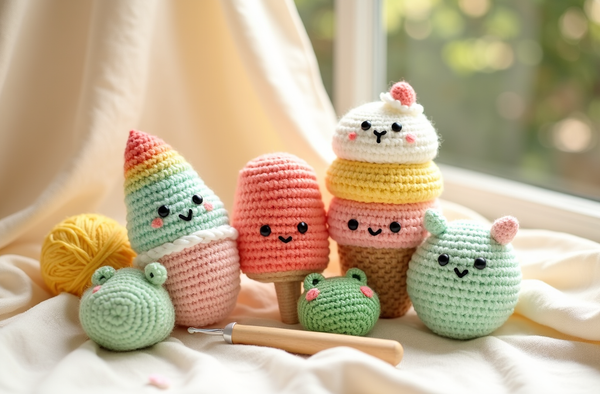
If amigurumi and crocheted-in-the-round projects are on your wish list, the magic ring is non-negotiable. It lets you start working in the round with a center that pulls completely closed — no ugly hole in the middle of your stuffed animal or hat. It looks intimidating, but after three or four tries it becomes muscle memory. Practice on a small circle swatch before using it in a pattern. Our full magic ring tutorial walks you through it step by step, and if you'd prefer not to use one, check out magic ring alternatives that work just as well.
2. Working increases and decreases in amigurumi
Shaping is what turns a flat circle into a 3D sphere, an animal body, or a rounded head. Increases and decreases in amigurumi follow simple formulas, but knowing when and how to place them is a skill that takes a project or two to click. The invisible decrease (pulling through the front loops only) is especially worth learning — it creates a far neater finish than a standard sc2tog.
3. Colorwork and color changes
Changing colors mid-row or mid-round sounds complex, but the technique itself is simple once you practice it. Color changes in crochet involve dropping the old yarn and picking up the new one on the last yarn-over of a stitch. Tapestry crochet (carrying unused yarn inside your stitches) opens the door to bold geometric patterns and character-inspired designs. Start with a two-color swatch before attempting a full tapestry project.
4. Textured specialty stitches
Once you've mastered single and double crochet, specialty stitches add incredible visual interest. Some to add to your repertoire:
- The bobble stitch — clusters of incomplete double crochets worked into the same stitch, creating round pops of texture
- The puff stitch — softer and rounder than a bobble, great for pillows and bags
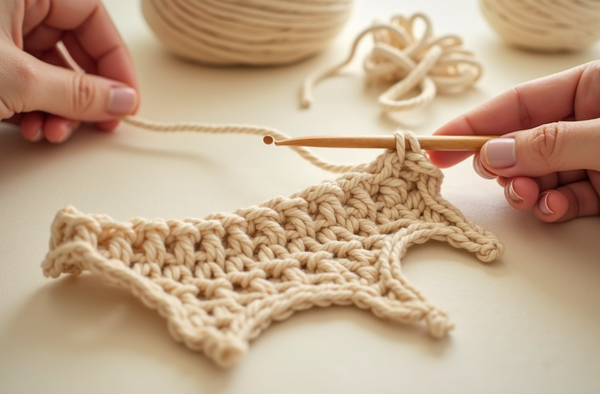
- The waffle stitch — creates a beautiful ridged grid pattern, perfect for dishcloths and blankets
- The shell stitch — elegant fan-shaped clusters ideal for shawls and baby blankets
Each one is really just a combination of stitches you already know, arranged in a specific way. Work a few swatches and you'll be surprised how quickly they become second nature.
"Every advanced technique is just a beginner technique in a new outfit. Give yourself the same patience you had when you learned your very first chain."— Ava, MrsCrochetWorld
Patterns that put your new skills to work
Pick a project that challenges one new technique at a time — you'll build confidence fast.

50 No-Sew Amigurumi Bundle
Magic ring + shaping practiceFifty patterns in one download — each one uses the magic ring, in-the-round construction, and increase/decrease shaping. It's the perfect sandbox for drilling those skills across a huge variety of characters. A great follow-up read: our guide to no-sew amigurumi techniques.

9 Modern Crochet Bag Patterns Bundle
Granny squares + constructionNine stylish bag designs that take granny squares and classic stitches into real wearable accessories. They're ideal for practicing join-as-you-go construction and clean seaming — skills that translate to garments and home decor. See also our complete granny square tutorial.

Pokemon-Inspired 5-in-1 Bundle
Colorwork + character shapingCharacter amigurumi with multiple colors and precise shaping — exactly what you need to stretch your intermediate skills toward advanced. Each pattern includes detailed stitch counts so you can focus on technique, not math. Learn how to add safety eyes to finish them professionally.
5 more techniques to add to your toolkit
These round out your intermediate-to-advanced skillset and open even more pattern categories.
Joining as you go
Connect granny squares or motifs while you crochet the final round — no sewing required. Cleaner seams, less finishing time. Perfect for bags, blankets, and garments.
Reading symbol charts
Crochet symbol charts are visual representations of pattern instructions. Once you can read crochet symbol charts, Japanese and European patterns become completely accessible.
Blocking your work
Blocking opens up lace, evens out tension, and makes seams disappear. It's the professional finishing step that makes a huge difference in final appearance.
Neat weaving in ends
Proper end-weaving technique keeps colorwork and multi-part projects looking polished for years. Learn to weave in the direction of the stitches for a truly invisible finish.
Resizing and modifying patterns
Adjusting stitch counts, swapping yarn weights, and scaling designs up or down is the mark of a truly confident crocheter. Our guide to customizing crochet patterns makes it approachable.
Ready to go deeper?
Our complete beginner-to-advanced guide maps your entire crochet journey, from slip knot to complex colorwork. Bookmark it as your skill-building home base.
Tips for mastering new techniques faster
- Swatch first, always. Before starting a full project with a new stitch, work a 4-inch square swatch. It costs almost no yarn and saves hours of frustration.
- Watch and do simultaneously. For complex stitches, pull up a video and pause it every few seconds while you follow along with your hook in hand — don't just watch, then try.
- Fix mistakes as you go. Trying to correct errors five rows later is miserable. Check your stitch count at the end of every row until the technique feels automatic. See our guide to fixing crochet mistakes for common solutions.
- Use stitch markers generously. When working in the round or tracking pattern repeats, place markers at the start of each round and at each repeat. They're free insurance against miscounts.
- Don't fight tension, adjust it. If a new technique is pulling tight or looping loose, try going up or down a hook size before assuming your technique is wrong. Even tension takes practice, not perfection.
- Celebrate small wins. Finished your first successful magic ring? That's worth acknowledging. Progress in crochet is cumulative — every swatch you complete is a new skill banked.
Practice with patterns you'll actually love making
The fastest way to internalize a new technique is to use it in a project that genuinely excites you. Browse our collections for patterns matched to your growing skillset — including free patterns perfect for low-stakes skill practice.
Get a free patternShop amigurumi patternsFrequently asked questions
What is the difference between intermediate and advanced crochet?
Intermediate crocheters are comfortable with basic stitches and simple pattern reading, and can work in the round and follow multi-step instructions. Advanced crocheters can work complex colorwork, construct garments with shaping, read symbol charts, and modify or design their own patterns. The line isn't always clear-cut — most crafters develop skills unevenly across different areas.
How do I know when I'm ready to move from beginner to intermediate?
A good sign is when you can complete a simple project — like a dishcloth or small amigurumi — without consulting a stitch tutorial for every step. If your tension is reasonably consistent, you can read a basic pattern, and you're curious about new techniques rather than overwhelmed by them, you're ready to level up.
Is the magic ring really necessary for amigurumi?
It's not strictly necessary — you can start amigurumi with a chain-2 or chain-4 loop instead. However, the magic ring creates the cleanest, most closed center, which matters for stuffed toys where gaps show. If you find the magic ring frustrating at first, use a chain loop to practice shaping and come back to the magic ring once you're more comfortable.
What is tapestry crochet and how is it different from regular colorwork?
Tapestry crochet is a colorwork technique where you carry unused yarn colors inside your stitches as you work, keeping them hidden within the fabric. This lets you switch colors frequently without many yarn ends to weave in. Regular colorwork may just mean joining a new color at the start of a row or round and cutting it each time. Tapestry crochet creates a thicker, sturdier fabric — ideal for bags and sturdy home decor.
How long does it take to learn a new advanced crochet technique?
Most crocheters can get comfortable with a new intermediate technique in one to three short practice sessions. A half-hour of focused swatch practice is usually enough to understand the mechanics. Mastery — where the technique feels effortless — typically comes after completing one or two full projects that use it regularly throughout.
Do I need special yarn or hooks to practice advanced stitches?
No — in fact, plain worsted-weight acrylic yarn in a light, solid color is ideal for learning new stitches. The light color lets you see each stitch clearly, and worsted weight is forgiving for most techniques. A 5mm or 5.5mm hook pairs well with most worsted yarn. Save specialty fibers for once you're comfortable with the technique.
What is the best way to learn to read crochet symbol charts?
Start by finding a simple chart — ideally one that represents a pattern you've already made from written instructions. Match each symbol to the key and to the written pattern side by side. Work the chart row by row, placing a ruler or sticky note below each row as you go. After one or two patterns this way, charts start to feel much more natural than written instructions.
How do I keep track of stitch counts when working complex patterns?
Use stitch markers at regular intervals — every 10 or 20 stitches, and always at the start of rounds. Count your stitches at the end of every row or round when learning a new technique, even if the pattern doesn't ask you to. A small tally counter (physical or app-based) helps when working amigurumi rounds where the count changes every row.