Magic ring alternatives: 3 easy ways to start crochet in the round
If the magic ring still makes you nervous, you're not alone — and you have options. Here are three reliable alternatives that close up just as neatly.

The magic ring — also called a magic circle or adjustable ring — is the go-to starting point for most amigurumi and circular crochet projects. It pulls closed to leave a tiny, invisible center hole. But let's be honest: for some crafters it's the most frustrating two minutes in all of crochet. If you've watched the same tutorial six times and your loop still pops off the hook, this guide is for you.
Why the center hole matters
Before we look at alternatives, it helps to understand what we're solving for.
When you crochet in the round — whether you're making a plushie animal, a coaster, a hat, or a granny square — you need a starting point that can be pulled tight enough to close the center. A loose, gaping hole in your work looks unfinished and, for amigurumi specifically, means stuffing pokes through. The magic ring solves this elegantly, but it isn't the only way.
Alternative 1: The chain-2 ring (the easiest swap)
This is the method most beginners land on naturally, and it works beautifully.
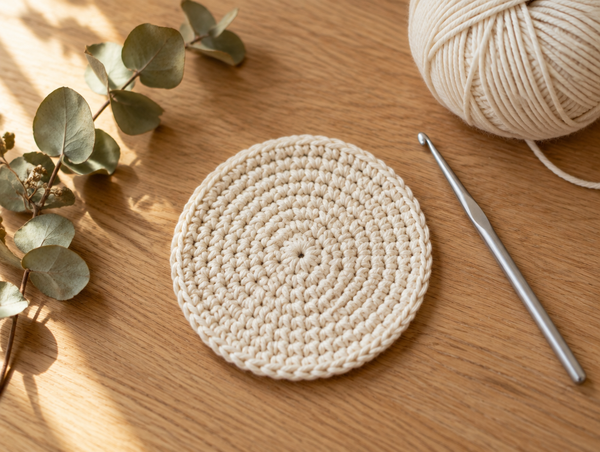
Make a slip knot and chain 2. Then work all of your Round 1 stitches directly into the first chain (not the second). Pull the starting yarn tail snug to close the hole. That's it. The chain-2 ring gives you a slightly more visible center than a magic ring, but once you pull the tail tight and work a second round over it, the gap disappears almost completely. This method is especially reliable for crocheting in the round with bulkier yarn, where the magic ring can feel awkward.
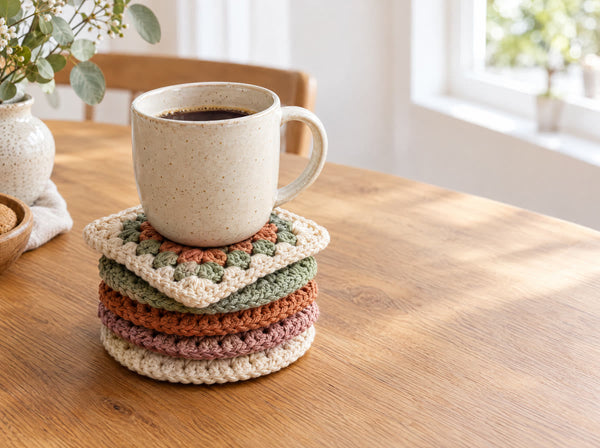
Best for: beginners, chunky yarn, quick projects like one-skein projects or coasters.
Alternative 2: The slip-knot ring (most adjustable)
Form a slip knot as usual, but instead of putting it on your hook, leave it as a loop on your finger and work your Round 1 stitches into that loop — just as you would with a magic ring. When your first round is complete, pull the yarn tail to close the loop. The key difference from a standard magic ring: you're not wrapping the yarn around your fingers in the traditional way, so many crafters find it easier to control. This technique is covered in depth in the magic ring tutorial as a side-by-side comparison, so check there if you want a visual breakdown of how the two methods differ.
Best for: crafters who struggle with the wrap step of the classic magic ring but want the same adjustable closure.
Alternative 3: The double-wrap ring (most secure)
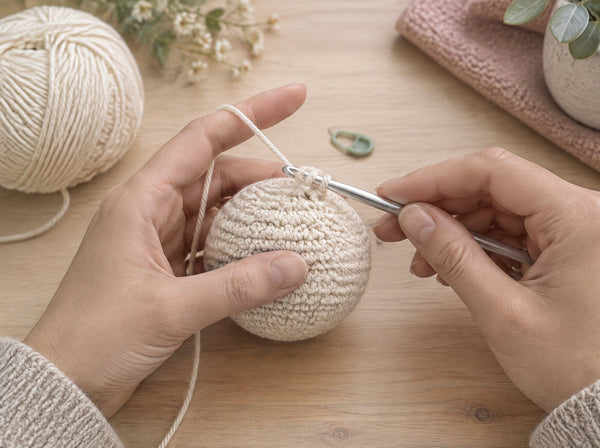
Wrap your yarn around two fingers twice, creating a double loop. Slide it off your fingers, insert your hook, and work Round 1 stitches through both layers of the ring. When you pull the tail, the double wrap resists re-opening better than a single wrap — a big plus for no-sew amigurumi that get handled and squeezed. This is the method I personally fall back on when I'm crocheting a toy that needs to survive enthusiastic toddler love. The center is slightly less invisible than a perfect magic ring, but the security trade-off is worth it for functional toys.
Best for: amigurumi, toys, anything that gets regular handling.
"There's no single 'correct' way to start in the round. The best method is the one that gets you crocheting without frustration."— Ava, MrsCrochetWorld
Put your new skills to work
These beginner-friendly patterns are a perfect next step after you've nailed your starting ring.

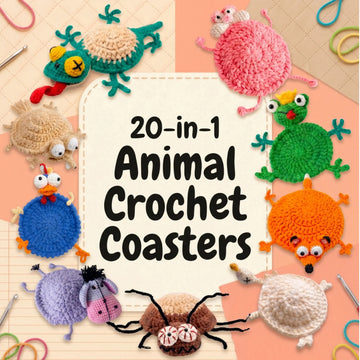
50 No-Sew Amigurumi Pattern Bundle
Best SellerFifty cute plushies, zero seaming — just in-the-round construction from start to finish. This bundle is specifically designed for crafters who want to practice working in the round on low-stakes, fast-finishing projects. Every pattern starts with either a magic ring or a chain-2 ring and walks you through Round 1 step by step. A great companion to the complete bundle guide.

Free No-Sew Giraffe Pattern
Free DownloadThis free giraffe is one of the best low-stakes places to practice any of the three ring alternatives above. The pattern is written for beginners, uses sport or DK weight yarn, and the giraffe's long neck means you get lots of round-by-round repetition — which is exactly what builds muscle memory. Try the chain-2 ring for the head and the double-wrap for the body and compare your results. Head over to the stuffing guide when you're ready for the finishing step.

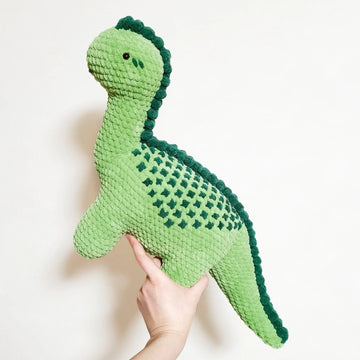
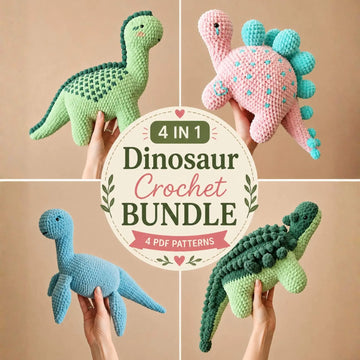
Dinosaur Amigurumi Bundle (4-in-1)
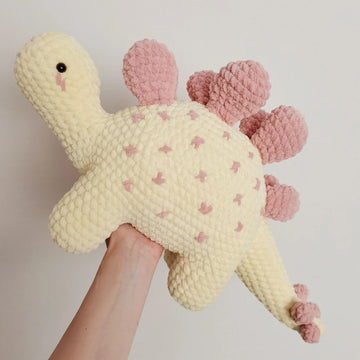
Great ValueOnce your ring method feels solid, this four-pattern dino bundle gives you the perfect next challenge. Each dinosaur is made entirely in the round and includes step-by-step photo tutorials, so you'll see exactly how each body part begins. The bundle pairs well with the safety eyes guide and the sewing amigurumi parts tutorial for a complete finishing workflow.
Which alternative should you choose?
A quick comparison to help you decide.
Chain-2 ring
Easiest to learn, works with any yarn weight. Slightly more visible center — best for projects where the hole isn't front and center.
Slip-knot ring
Adjustable just like a magic ring. Great if you understand the concept but find the traditional wrap confusing to execute.
Double-wrap ring
The most secure closure. Ideal for toys and amigurumi. Takes a little more yarn but the locked center is worth it.
When to still use the magic ring
Flat circles, mandalas, and visible granny squares benefit most from the magic ring's near-invisible center. Worth mastering eventually.
Yarn weight matters
Bulky and super-bulky yarns make any ring method trickier. Use the chain-2 method with a larger hook for best control. See the yarn guide for amigurumi.
Ready to go further?
Once starting rounds feel comfortable, you're ready for the full learning path. Visit our complete beginner guide to crochet for the next steps.
Tips for a cleaner center every time
- Always leave a 6-inch tail. A short tail is hard to pull and almost impossible to weave in securely. Leave yourself room to work.
- Pull the tail before joining Round 1. Once you've worked all your Round 1 stitches, pull the tail snug before you slip-stitch to join. Adjusting after the join is harder.
- Work tightly in Round 1. If your starting stitches are loose, even a perfect magic ring will look gappy. Consciously snug each stitch as you make it.
- Use the right hook size. Going down half a size for amigurumi projects relative to the yarn label recommendation creates a denser fabric that hides any tiny center gaps automatically.
- Weave in the tail through multiple stitches. After closing your ring, weave the tail through at least four stitches in different directions — this locks the closure so it can't re-open under pressure.
- Practice on scrap yarn first. Try all three methods with the same yarn in one sitting. You'll know within minutes which one clicks for you, and you won't have wasted any project yarn finding out.
Start your first in-the-round project today
Now that you have three ring alternatives in your toolkit, the only thing left is to pick up your hook. Grab a free pattern to practice on, or browse our beginner-friendly collection for your next cozy make.
Get a free pattern Shop beginner patternsFrequently asked questions
Can I use a chain-2 ring for amigurumi?
Yes, absolutely. The chain-2 ring works well for amigurumi as long as you pull the tail firmly to close the center before working Round 2. The resulting hole is small enough that it won't be visible once the piece is stuffed and the following rounds are worked over the tail end.
What is the easiest alternative to the magic ring for beginners?
The chain-2 ring is the easiest magic ring alternative for beginners. You simply chain 2, work all your Round 1 stitches into the first chain, then pull the tail to close. No special hand position or wrapping technique is required.
Will the center hole be visible with these alternatives?
It depends on the method and how tightly you pull. The chain-2 ring leaves a slightly more visible center than a perfectly executed magic ring. The double-wrap ring and slip-knot ring close up nearly as well as the magic ring. In all cases, working tightly and weaving the tail through surrounding stitches minimizes any gap significantly.
Can I use these methods for granny squares?
Yes. The chain-4 or chain-6 ring traditionally used for granny squares is itself an alternative to the magic ring. If you want a tighter center on a granny square, try the chain-2 ring or the slip-knot ring and adjust your Round 1 stitch count accordingly.
Why does my magic ring keep popping off my hook?
This usually happens because the ring is too loose around the hook, or you're removing the hook from the loop to reposition your hand. Keep tension on the working yarn with your non-dominant hand at all times, and try moving to a slightly larger hook, which can make it easier to keep the loop in place while you work the first round.
Do I still need to learn the magic ring eventually?
Not strictly, but it is worth learning at some point. The magic ring produces the most invisible center of any method, which matters for decorative flat circles, mandalas, and projects where the starting point is front and center. For most amigurumi and 3D projects, a good alternative is entirely sufficient.
How do I keep the starting ring from unraveling later?
Always weave your yarn tail through at least four nearby stitches in the first two rounds, changing direction at least once. This distributes the tension and prevents the ring from loosening with use. For toys and items that will be handled frequently, add a small dab of fabric glue on the woven tail as extra insurance.
Are these alternatives suitable for left-handed crocheters?
Yes. All three alternatives — chain-2, slip-knot, and double-wrap — work identically for left-handed crocheters. You simply mirror the hand positions. The chain-2 ring is often considered especially left-hand-friendly because it eliminates the wrapping step entirely. For more left-handed technique tips, visit the left-handed beginner guide.