How to start crochet today: your simple first-day action plan
You don't need experience, expensive tools, or hours of free time — just a hook, some yarn, and this step-by-step plan to make your very first stitch today.

The hardest part of learning to crochet is simply deciding to begin. Once you pick up a hook and make that first chain, something clicks — and most people find they can't put it down. This guide strips away every excuse and walks you through exactly what to do on day one, from gathering your supplies to finishing a small swatch you'll actually be proud of.
What you actually need to get started (keep it simple)
The crochet supply world is full of gorgeous things to buy — but on day one you need exactly two items.
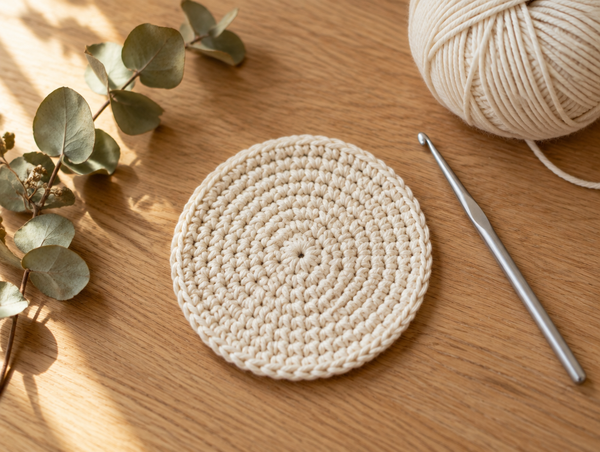
A size H (5.0 mm) crochet hook is the sweet spot for beginners. It's big enough that you can clearly see your stitches, but not so large that your work feels loose and floppy. Pair it with medium-weight (worsted) acrylic yarn in a light, solid color — light colors let you count stitches easily, and acrylic is forgiving, washable, and inexpensive. A single 200-yard skein is more than enough to practice for days.
That's really it. You don't need a stitch counter, special scissors, or a yarn swift yet. Those can come later. Once you're ready to explore hooks in more depth, check out our guide to the best crochet hooks for beginners to understand ergonomic options and materials.
Your first three stitches — in order
These three skills unlock hundreds of patterns. Master them and you're no longer a beginner in any practical sense.
1. The slip knot. Everything starts here. Make a loop with your yarn tail, pull the working yarn through the loop, and tighten it onto your hook. It should slide easily — not a fixed knot. Our detailed walkthrough on how to make a slip knot for crochet shows every finger position.
2. The chain stitch (ch). Yarn over the hook, pull through the loop on your hook — that's one chain. Practice until your chains are even and you can make 20 in a row without counting. The chain stitch guide explains exactly how to hold the work so it doesn't twist.
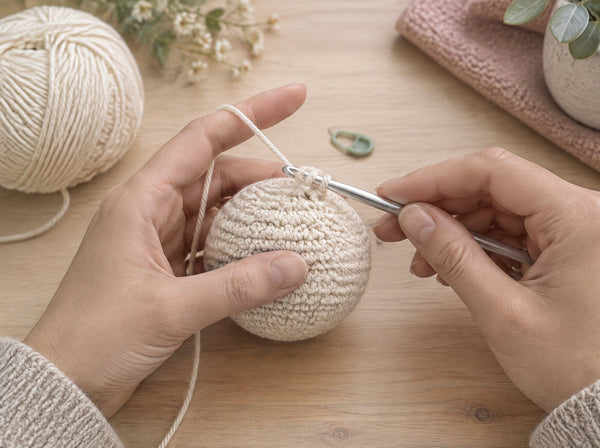
3. The single crochet (sc). Insert your hook into a chain stitch, yarn over, pull up a loop (two loops on hook), yarn over again, pull through both loops — one single crochet made. This is the foundation of almost all amigurumi and many beginner projects. Our full tutorial on how to single crochet has step-by-step photos.
Once you're comfortable with these three, add the double crochet and the half double crochet to your toolkit — they open up a whole new world of textures and patterns.
"Everyone who crochets today was once a person who had never crocheted at all. The first stitch is the only one that takes courage."— Ava, MrsCrochetWorld
Three perfect first projects to try this week
Each of these patterns is beginner-friendly and gives you a finished object you'll actually want to keep or gift.

Easy No-Sew Amigurumi — 50 patterns for beginners
Book · No sewing neededIf you're nervous about finishing amigurumi, this book solves the biggest hurdle: assembly. Every pattern in this collection is designed to be crocheted in one piece — no seaming arms, legs, or ears onto a body. It's the perfect introduction to what amigurumi is all about and why so many crocheters fall in love with making tiny creatures.

Free hedgehog crochet pattern — no-sew amigurumi
Free PDF · No sewing neededThis free hedgehog is one of the best "first amigurumi" projects out there — it uses only single crochet, increases, and decreases. You'll practice crocheting in the round and working increases and decreases without any complex stitch work. Grab it from our free patterns collection and make it this weekend.

50 no-sew amigurumi patterns bundle
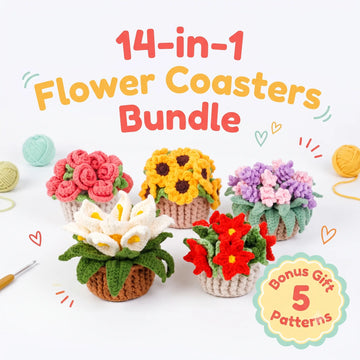
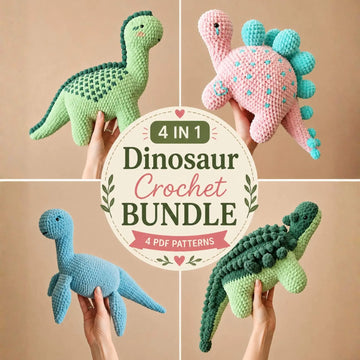
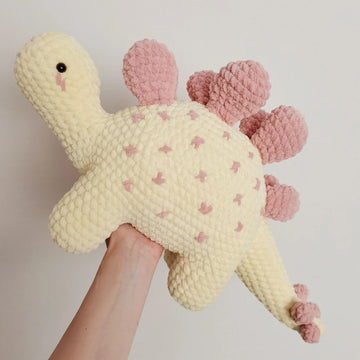
PDF Bundle · 50 patternsOnce you've finished your first project, you won't want to stop. This massive bundle gives you 50 no-sew designs to work through at your own pace — animals, characters, seasonal figures, and more. Browse more options in our beginner crochet patterns collection to find the style that excites you most.
Six things every new crocheter should know
These tips will save you hours of frustration in your first week.
Hold the hook like a pencil
Most beginners grip too tightly. Rest the hook between your thumb and index finger, like a pencil. Your hand will stay relaxed and your stitches will be more even. Our hook-holding guide covers both pencil and knife grip.
Use light-colored yarn to start
Dark or variegated yarn hides the stitch structure, making it genuinely hard to count stitches or spot mistakes. A plain cream, white, or pastel yarn is much easier on your eyes while you're learning.
Count your stitches every row
Gaining or losing stitches is the most common beginner problem. Get into the habit of counting at the end of every row. Our guide on how to count crochet stitches and rows shows exactly what to look for.
Tension matters more than speed
Even, consistent tension — not how fast you crochet — is what makes beautiful finished objects. If your stitches are too tight to insert the hook, loosen up; if your work is floppy, tighten slightly. Read our deep dive on getting even crochet tension for practical drills.
Learn to read a pattern before you start
Crochet patterns use abbreviations and symbols that look cryptic at first. Take 10 minutes to study a crochet abbreviations glossary before your first project and the instructions will make immediate sense.
Ready to go deeper?
Our complete beginner guide to crochet covers everything from choosing your first yarn weight to understanding gauge swatches — all in one place. Bookmark it as your ongoing reference.
Common first-day mistakes (and how to avoid them)
- Skipping the starting chain. The foundation chain sets the width of your work. Count carefully — losing or adding a stitch here affects every row. Double-check by reading our post on the top 12 beginner crochet mistakes.
- Crocheting into the turning chain. In single crochet, the turning chain doesn't count as a stitch — don't work into it, or your stitch count will creep up row by row.
- Pulling yarn too tight. If you can barely slide the hook through a stitch, you're working too tight. Relax your yarn hand and let the yarn flow freely.
- Giving up after one messy swatch. Your first few rows will look uneven. That's completely normal. The stitches at the top of your practice piece will look much better than the ones at the bottom — that's proof you're improving in real time.
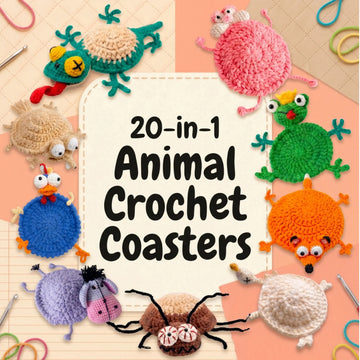
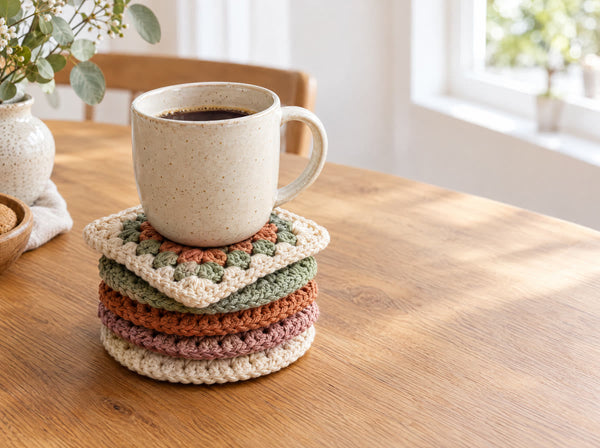
- Choosing a complicated pattern first. Start with a simple washcloth, coaster, or small amigurumi. Success early builds the confidence to tackle harder projects. Browse our easy beginner crochet patterns for well-tested starting points.
- Not weaving in ends properly. Loose yarn tails unravel over time. Learn to weave in ends correctly from the very first project so the habit sticks.
Ready to make your first project?
Grab a free pattern from our library and start crocheting today — no experience needed, no sign-up required.
Get a free pattern Shop beginner patternsFrequently asked questions
What crochet hook size should a complete beginner start with?
A size H (5.0 mm) hook is the most recommended starting point. It's large enough to see your stitches clearly and work comfortably, but not so large that your fabric feels loose. Pair it with medium-weight (worsted) yarn and you'll have an easy-to-handle combination from the first stitch.
What type of yarn is best for learning to crochet?
Medium-weight acrylic yarn in a light, solid color is ideal for beginners. It's inexpensive, widely available, machine washable, and the smooth texture makes it easy to see stitch structure. Avoid dark colors, fuzzy yarns, or very thin threads until you're confident in your tension.
Is crochet hard to learn on your own?
Crochet is one of the most self-teachable crafts around. The basic stitches — chain, single crochet, double crochet — can be picked up from written tutorials, photos, or videos in an afternoon. Most beginners make their first recognizable swatch within an hour of starting. The key is to practice the foundational stitches repeatedly before moving to a full pattern.
How long does it take to learn crochet basics?
Most people can make a clean chain and a row of single crochet within their first session of 30-60 minutes. Feeling genuinely comfortable with the basic stitches typically takes about a week of daily 15-20 minute practice sessions. Completing a small, simple project — like a coaster or a small amigurumi — usually takes one to three weeks for a brand-new beginner.
What is a slip knot and why does every crochet pattern start with one?
A slip knot is an adjustable loop that anchors your yarn to the crochet hook. It's the very first step in almost every crochet pattern because it creates a secure but movable starting point on your hook. Without it, the yarn would simply slide off. Making a slip knot takes about five seconds once you've practiced it a couple of times.
Can I start with amigurumi as my very first crochet project?
Yes — in fact, amigurumi is one of the most popular entry points for new crocheters. Most amigurumi patterns use only single crochet worked in the round, which is a limited and very learnable skill set. No-sew amigurumi patterns are especially beginner-friendly because they eliminate the seaming step that many new crafters find intimidating.
Why do my crochet stitches look uneven?
Uneven stitches are almost always caused by inconsistent tension — sometimes pulling the yarn tight, sometimes leaving it loose. This is completely normal at the start and improves naturally with practice. Try to keep your non-hook hand relaxed and let the yarn flow at the same speed through your fingers on every stitch. Your work will even out noticeably within a single practice session.
What's the first crochet pattern I should try as a complete beginner?
A small practice swatch of 15 chains and 10 rows of single crochet is the best true first project — it trains your hands without any pressure. After that, a coaster, a small square, or a no-sew amigurumi animal (like a simple ball or hedgehog) are excellent first finished objects. Choose something small enough to finish in one or two sittings so you get the satisfaction of completing a project early on.