The Benefits of Crochet for Anxiety and Relaxation
Discover how picking up a hook and yarn can calm a busy mind, ease anxious thoughts, and bring a sense of joyful accomplishment to every single day.

There is something almost magical about the moment you settle into a comfortable chair, yarn in hand, hook poised, and the world outside starts to quiet down. If you have ever felt your shoulders drop and your breathing slow the instant you begin a new row, you already know it: crochet is genuinely good for you. Not just fun, not just productive — genuinely, deeply calming in a way that is hard to put into words until you experience it yourself.
Why Repetitive Hand Work Calms the Nervous System
Your brain loves predictable patterns — and crochet delivers them stitch by stitch.
When anxiety spikes, the brain's threat-detection system kicks into overdrive. Repetitive physical tasks — rocking, walking, tapping — are known to help regulate that response by giving the nervous system a steady, predictable rhythm to sync with. Crochet works in exactly the same way. Each single crochet, each double crochet, each gentle pull of the yarn creates a loop of sensation and movement that your body begins to recognize as "safe." Over the course of even ten or fifteen minutes, many crafters notice their heart rate settling and the relentless churn of worried thoughts slowing to a more manageable pace.
If you are new to the craft, starting with a simple stitch like the single crochet or chain stitch gives you that calming loop without the cognitive overhead of learning something complex. The goal in those first sessions is not a perfect project — it is simply the motion itself.
The "Flow State" Connection
Getting lost in your work is not a distraction — it is restoration.
Psychologists use the term "flow" to describe a mental state where you are fully absorbed in an activity that is just challenging enough to hold your attention but not so difficult that it causes frustration. Crochet sits beautifully in that sweet spot for millions of crafters. When you are counting stitches, following a stitch pattern, or shaping an amigurumi figure, the thinking part of your brain is genuinely busy — which leaves very little room for anxious rumination to sneak back in.
The deeper you get into the craft, the richer the flow opportunities become. Moving from beginner to intermediate skills means you can take on projects that stretch your abilities just enough to stay engaged without becoming overwhelming. That progression itself becomes a source of steady, quiet confidence — a powerful antidote to anxiety.
Crochet as a Screen-Free Wind-Down Ritual
Your phone wants your attention. Your yarn just wants to help you rest.
One of the most underrated benefits of crochet is what it replaces. Swapping thirty minutes of scrolling before bed for thirty minutes of crocheting removes blue-light stimulation, eliminates the anxiety-amplifying loop of news and social media, and gives your hands something tangible and satisfying to do. Many crafters find that a short evening crochet session becomes a genuine wind-down ritual — a signal to the body that the day is ending and it is time to relax.
Choosing the right project matters here. A straightforward design — perhaps a simple granny square or a small plushie you have made before — keeps the hands busy without demanding intense concentration. You can half-watch a show, listen to a podcast, or simply sit in comfortable silence while the stitches accumulate.
Creativity and Accomplishment as Mood Boosters
Finishing something with your own hands is its own kind of therapy.
Anxiety and low mood often travel together, and one of their shared symptoms is a nagging sense of helplessness — the feeling that nothing you do makes a real difference. Crochet pushes back against that directly. Every row completed, every motif joined, every finished project held in your hands is concrete, undeniable proof that you made something real. That sense of accomplishment triggers a small but genuine boost in mood that accumulates over time.
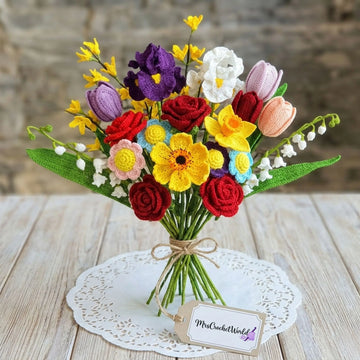
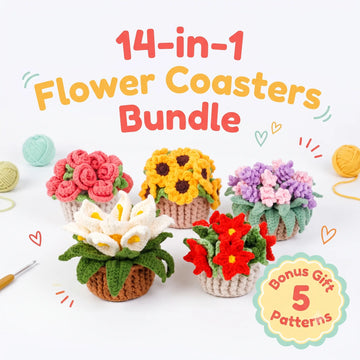
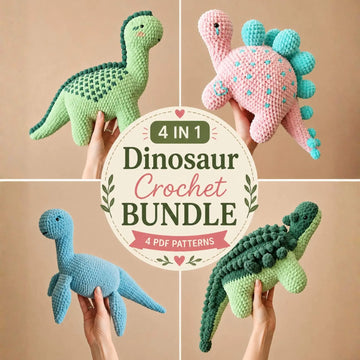
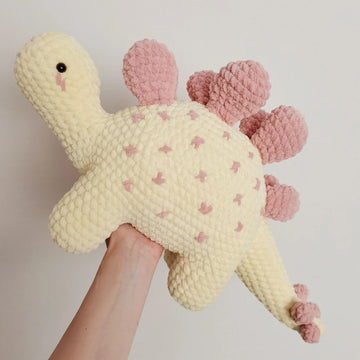
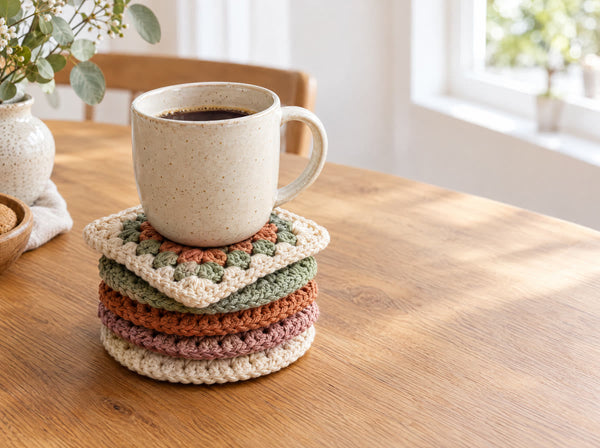
Choosing easy beginner patterns when you are first building this habit matters: quick wins keep motivation high. A small stuffed animal, a coaster set, or even a decorative flower can be finished in a single afternoon. That first completed object is often the moment crafters realize this hobby is going to stick.
"My hook and yarn are the first things I reach for when the day feels too loud. Ten stitches in, the noise starts to fade." — Ava, MrsCrochetWorld
The Social Side of Crochet
Community and connection are powerful antidotes to isolation.
Anxiety can be isolating, and isolation makes anxiety worse — a cycle that crochet can gently interrupt. Joining an online crochet community, sharing your finished pieces on social media, or simply gifting a handmade item to someone you care about all create meaningful moments of human connection rooted in the craft. The act of making something for another person — a friend, a family member, a child — transforms a private, calming hobby into an expression of love and generosity.
Crochet also pairs beautifully with the kinds of thoughtful gifts that money cannot easily replicate. There is real comfort in knowing that a worried afternoon was turned into something someone else will treasure.
Mindfulness Without Meditation
Not everyone can sit still with their eyes closed — and that is perfectly fine.
Traditional mindfulness meditation asks you to observe your thoughts without reacting to them, which is genuinely difficult when anxiety is loud. Crochet offers an alternative path to the same destination. By anchoring your attention to the physical sensations of the craft — the texture of the yarn, the slight resistance of the hook, the satisfying sound of each stitch — you practice present-moment awareness in a way that feels natural and purposeful rather than effortful.
This is sometimes called "active mindfulness," and it is especially valuable for people who find passive meditation frustrating. The craft gives the restless mind somewhere useful to go. Learning foundational techniques like the magic ring or double crochet requires just enough focus to keep you anchored in the present moment.
Three Projects That Are Perfect for Anxious Days
Simple, satisfying, and quick to finish — the best kind of therapy crafts.

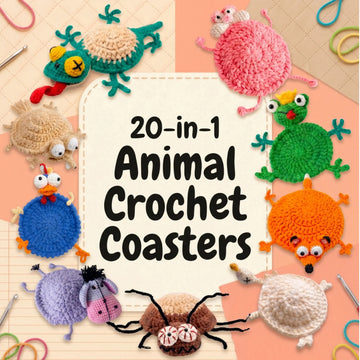
50 No-Sew Amigurumi Bundle
Stress-Free StarterFifty adorable plushie patterns with no seaming required — just pure, meditative stitch work from start to finish. Perfect for evenings when you want to keep your hands busy without any fiddly finishing steps. Each small creature gives you a quick, satisfying result that you can hold and admire. Explore the full range of easy amigurumi patterns to find the characters that spark the most joy for you.

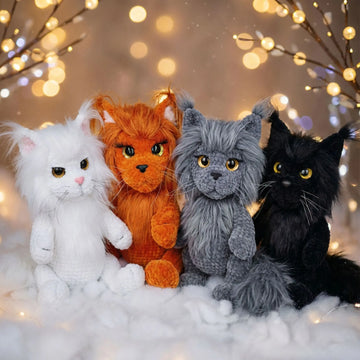
Care Bears Amigurumi Pattern (4-in-1)
Nostalgic + JoyfulThere is something uniquely comforting about crocheting characters tied to childhood warmth. These four Care Bears are approachable for anyone who has mastered beginner fundamentals and ready for a project with a little personality. The repetitive rounds of single crochet that build each bear's body are wonderfully meditative — and the finished bears make beautiful gifts, which adds an extra layer of mood-lifting purpose.

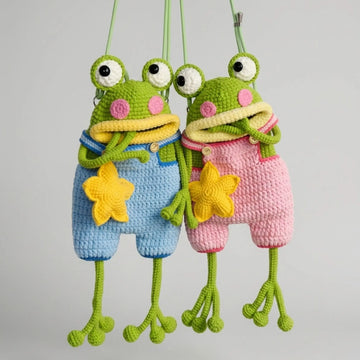
9 Modern Crochet Bag Patterns Bundle
Granny Square CalmGranny squares are the ultimate anxiety-busting crochet project: small, portable, and infinitely satisfying to stack up one after another. This bundle gives you nine modern bag designs built around that classic motif. Working through a set of squares is a wonderful way to practice even tension while your mind settles into a calm, productive rhythm. Browse our full bags and accessories collection for more granny square inspiration.
Six Ways Crochet Supports Your Mental Wellbeing
A quick-reference guide to the everyday benefits you can expect from a regular crochet practice.
Active Mindfulness
Counting stitches and following a pattern anchors your attention to the present moment, gently crowding out anxious thoughts without requiring you to sit still and empty your mind.
Better Sleep Prep
A short crochet session before bed replaces screen time with calming, screen-free hand work — signaling to your nervous system that the day is winding down and rest is coming.
Daily Accomplishment
Every finished row, motif, or project is tangible proof of your effort. Those small victories accumulate into a genuine sense of competence and confidence over time.
Social Connection
Sharing your makes with friends, family, or online communities transforms a solo craft into a bridge between people — reducing the isolation that anxiety often brings with it.
Creative Expression
Choosing colors, modifying patterns, and putting your personal stamp on a project exercises creative thinking — a healthy outlet that channels emotional energy into something beautiful.
A Clear Learning Path
Knowing where to go next keeps the hobby fresh and engaging. Our complete beginner guide walks you through every skill in a logical, confidence-building order — from your very first chain to your first finished amigurumi.
Practical Tips for Using Crochet as a Calming Tool
- Keep a project basket within reach. The lower the barrier to starting, the more likely you are to pick it up during a stressful moment. A half-finished project sitting right next to your sofa is an open invitation to relax.
- Choose soft, tactile yarn when you need comfort. The feel of the yarn in your hands is part of the therapeutic effect. A smooth cotton or a plush acrylic can make every stitch feel like a small act of self-care. Learn more about the best yarns for beginners to find what suits your hands.
- Start simpler than you think you need to. When anxiety is high, a challenging new technique can tip into frustration. Keep a reliable, familiar pattern handy for hard days — save the adventurous projects for when you feel grounded. Our free pattern collection is a great place to find low-stakes starting points.
- Set a timer, not a goal. Instead of aiming to finish a section, commit to fifteen or twenty minutes of crochet. Removing the pressure of an endpoint makes the session feel restorative rather than task-like.
- Let yourself frog without guilt. Ripping back mistakes is part of the craft, not a failure. Fixing crochet mistakes calmly is itself a mindfulness practice — a chance to notice frustration, let it go, and begin again.
- Pair it with something you enjoy. An audiobook, a comfort show, or a favourite playlist transforms your crochet session into a full sensory retreat. The combination of sound, touch, and gentle focus is deeply soothing.
Ready to Start Your Calm Crochet Practice?
The most important stitch is always the first one. Grab some yarn, find a comfortable spot, and let the rhythm do its work. We have free patterns to get you started and a full shop of beginner-friendly designs for whenever you are ready to dive deeper.
Get a free pattern Shop beginner patternsFrequently asked questions
Can crochet really help with anxiety?
Many crafters find that the repetitive, rhythmic motion of crochet helps quiet anxious thoughts by giving the mind and hands a focused, predictable task to complete. The sense of flow and accomplishment that comes with finishing a project can also lift mood over time.
How long do I need to crochet before I feel calmer?
Most people notice a shift in their mood and tension within ten to fifteen minutes of starting a session. The key is to begin with a familiar, comfortable project rather than something challenging, so your hands can settle into an easy rhythm quickly.
Is crochet better for stress relief than knitting?
Both crafts offer similar calming benefits. Crochet uses a single hook and typically has a slightly lower learning curve for complete beginners, which can reduce frustration early on. Either craft can become a valuable relaxation tool once you build a comfortable practice.
What type of project is best for anxious crafting sessions?
Simple, repetitive projects work best on high-anxiety days. Think small amigurumi figures, granny squares, or anything you have made before and know well. Save new techniques and complex patterns for days when you feel grounded and curious rather than stressed.
Does the type of yarn I use matter for relaxation?
It can make a real difference. Soft, smooth yarns that glide easily over the hook tend to feel most soothing. Rough or splitty yarns that snag and require extra attention can add friction to your session. A good-quality acrylic or a smooth cotton is a solid starting point for comfort crafting.
Can complete beginners use crochet for stress relief, or do I need to learn first?
Beginners can absolutely benefit right away. Even practicing a basic chain stitch or working simple single crochet rows is enough to engage the calming effect. The learning process itself — gentle, non-competitive, and self-paced — tends to be enjoyable rather than stressful for most people.
How does crochet compare to meditation for managing anxiety?
Crochet offers what some call active mindfulness: your attention is anchored to the physical sensations of the craft rather than your own thoughts. This makes it a practical alternative for people who find passive sitting meditation difficult. Both approaches have value, and many crafters use them together.
Are there specific crochet patterns designed for mindfulness or therapeutic use?
There are no universally certified therapeutic patterns, but certain types of projects are widely recommended for their calming qualities: repetitive stitch patterns like moss stitch or waffle stitch, mandala-style circles, and small amigurumi figures that progress in satisfying, measurable steps. The best pattern for relaxation is simply one you enjoy making.