Crochet vs Knitting — What's the Difference?
Two hooks, two needles, one big question. Here's an honest, friendly guide to help you understand exactly how crochet and knitting differ — and which one is right for you.

You've decided to pick up a fiber craft — wonderful! But now you're standing in the yarn aisle wondering: should I crochet or knit? Both create beautiful fabric from yarn, both are wonderfully portable hobbies, and both have devoted fans who swear their craft is better. Let's settle the question once and for all — or at least give you the facts you need to decide.
The biggest difference: the tool
Everything else flows from this single fact.
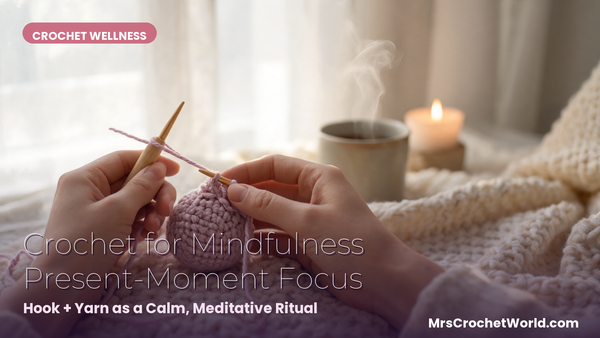
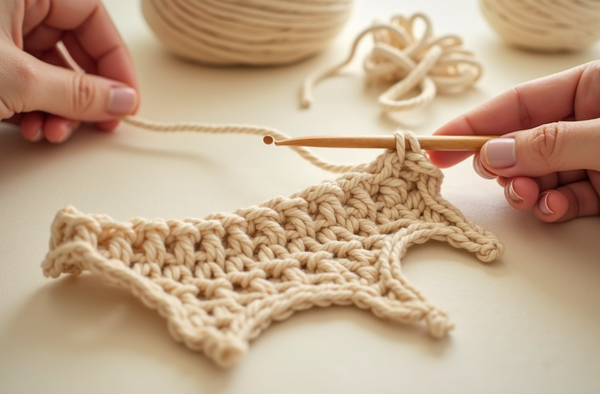
Crochet is worked with one hook — a short, ergonomic tool with a notch at the tip that catches yarn. You work one stitch at a time, and each stitch is completed and secured before you move on. This means only one loop is ever "live" on your hook.
Knitting is worked with two needles (or one circular needle). Many stitches sit on the left needle at once, and you transfer them to the right needle while forming new loops. At any moment, dozens of live loops can be on the needles. Drop a needle or make a mistake and all those loops are at risk of unraveling — something beginning knitters discover quickly!
For most crafters, crochet is significantly easier to learn first. Dropped stitches don't run, mistakes are simpler to fix, and the single-hook rhythm is intuitive. If you're wondering whether crochet is hard for beginners, the honest answer is: it's one of the friendlier textile crafts you can start with.
How the fabric looks and feels
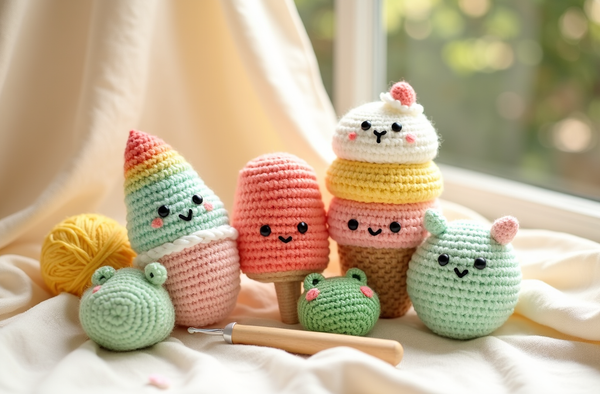
Crochet stitches are taller and chunkier than knit stitches, which means crocheted fabric uses more yarn and is generally thicker. It also has a firmer hand — great for structured bags, stuffed animals (amigurumi), dishcloths, and home décor.
Knitted fabric drapes more fluidly and is ideal for garments: sweaters, socks, and shawls benefit from knitting's stretch and softness. Stockinette stitch — the classic "v" texture you see on commercial sweaters — is only achievable with knitting.
Neither fabric is superior; they're simply suited to different projects. As a general rule: if you're drawn to cute stuffed animals and amigurumi, crochet is your craft. If you want to recreate a lightweight lace shawl, knitting may serve you better.
Learning curve and mistakes
One of crochet's biggest practical advantages is error recovery. Because only one loop is live at a time, you can simply pull your hook out, unravel back to the mistake, and restart from there. No stitches escape. No laddering. No disasters.
Knitting is more unforgiving. Dropped stitches can ladder down several rows before you catch them, and fixing them requires a crochet hook anyway (ironic, right?). Techniques like fixing crochet mistakes are genuinely simpler to master, which is one reason many crafters recommend starting with crochet.
Both crafts require you to learn consistent tension — the firmness with which you hold your yarn. Tension affects the size and look of every stitch, and both beginners-in-crochet and beginners-in-knitting go through an adjustment period.
"I tried knitting three times before I picked up a crochet hook. By the end of my first afternoon, I had a finished swatch. That single hook changed everything." — Ava, MrsCrochetWorld
Start your crochet journey with a pattern you'll love
Once you pick crochet, these beginner-friendly PDF patterns are the perfect first project — no sewing required for most of them.

50 No-Sew Amigurumi Patterns Bundle
Best for beginnersFifty adorable amigurumi designs — all crafted with the no-sew technique so you spend more time crocheting and less time assembling. If you're brand new to crochet (and especially if you're coming from knitting), these no-sew techniques make the learning curve feel almost flat. Digital PDF, instant download.

Care Bears Amigurumi Pattern — 4 Bears + Bonus
Fan favoriteFour nostalgic Care Bears worked in US crochet terms with step-by-step photo guides. A great early project once you've mastered single crochet and crocheting in the round — skills that take an afternoon to learn and open up the entire world of amigurumi. Includes a bonus gift with purchase.

Dinosaur Crochet Pattern Bundle — 4 in 1
Crowd pleaserFour roarsome dino designs — T-Rex, Stegosaurus, and friends — bundled into one low-sew PDF. These are the kind of projects that make people ask "wait, you made that?" when you set them on a shelf. Check out our easy amigurumi starter guide for tips before diving in.
Six ways crochet and knitting are genuinely different
Side-by-side, the two crafts look completely different once you know what to watch for.
One hook vs two needles
Crochet needs only a single hook. Knitting requires two needles (or a circular needle). This makes crochet easier to pick up and put down without losing your place.
Yarn usage
Crochet typically uses about 30% more yarn than knitting for the same finished size. Budget accordingly when choosing yarn for a crochet pattern.
3D shapes and amigurumi
Crochet is far better for sculpting 3D objects. The firm, dense fabric holds its shape perfectly — which is why virtually all amigurumi patterns are crocheted, not knitted.
Garment drape
Knitting produces softer, more fluid fabric that drapes beautifully for garments. Crocheted sweaters exist and are gorgeous — but they tend to be heavier and more structured.
Fixing mistakes
In crochet, you pull the hook out and frog (unravel) back to the error — simple. In knitting, dropped stitches can ladder down the entire fabric before you notice.
Ready to start crocheting?
Our complete beginner guide to crochet walks you through your first stitch, your first project, and everything in between — totally free.
Practical tips if you're choosing between the two
- Try crochet first if you want quick wins. A first crochet project in 7 days is genuinely achievable — a scarf, a dishcloth, or a simple animal are all within reach in your first week.
- Use the right hook size. Hook size determines stitch size — check our hook size chart before you cast on. The wrong hook can make your project too loose or too stiff.
- Choose the right yarn. Smooth, light-colored yarn shows your stitches clearly, making it much easier to count stitches and rows while you're learning. Dark or fuzzy yarns hide mistakes but also hide your stitch definition.
- Both are excellent for mental health. The repetitive, rhythmic motion of either craft has real benefits for anxiety and relaxation. Pick whichever one you'll actually sit down and do.
- You don't have to pick just one. Many crafters do both — using crochet for toys and bags, knitting for socks and sweaters. Learning crochet first gives you a strong foundation in yarn and tension that transfers to knitting later.
Ready to start crocheting?
Grab a free pattern and see how quickly you can make something adorable. No experience needed — just yarn, a hook, and a little curiosity.
Get a free pattern Shop beginner patternsFrequently asked questions
Is crochet easier than knitting for beginners?
For most people, yes. Crochet uses a single hook and works one stitch at a time, so dropped stitches don't unravel. This makes mistakes far easier to fix. Beginners typically get to a finished swatch or small project faster with crochet than with knitting.
Can the same yarn be used for both crochet and knitting?
Absolutely. Any yarn labeled for crochet or knitting can be used for either craft. The label's hook or needle size recommendation may differ, but the yarn itself is identical. Smooth, worsted-weight yarn works well for both beginners in crochet and beginners in knitting.
Which craft is better for making stuffed animals and toys?
Crochet is the clear winner for stuffed animals (amigurumi). The dense, firm fabric holds its shape, doesn't stretch out of place when stuffed, and makes it simple to crochet in the round to create 3D shapes. Almost all amigurumi patterns are designed for crochet.
Does crochet use more yarn than knitting?
Yes, crochet typically uses roughly 30% more yarn than knitting to create a piece of the same finished dimensions. This is because crochet stitches are taller and require more yarn per stitch. Keep this in mind when calculating how much yarn to buy for a project.
Can I learn both crochet and knitting at the same time?
You can, but most crafters find it easier to learn one first. Crochet is generally recommended as the starting point because the skills and vocabulary (yarn weight, tension, reading patterns) carry over to knitting once you're ready to add a second craft.
Which craft is faster — crochet or knitting?
Crochet stitches are larger than knit stitches, so crocheted fabric generally builds up faster row by row. However, for very fine or lace projects, knitting may produce a finer result in less material. For blankets, toys, and bags, crochet is typically the quicker option.
Is crochet or knitting better for making bags?
Crochet is generally better for bags. The stiffer, more structured fabric holds the bag's shape without a liner, and granny square construction is a popular and beginner-friendly method for tote bags. Browse our crochet bag patterns for a wide range of styles.
What tools do I need to start crochet vs knitting?
To start crochet you need one hook in the size recommended by your yarn label, plus your yarn — that's it. To start knitting you need a pair of straight needles or a circular needle in the correct size. Both starter kits are affordable and easy to find at any craft store.