One-skein crochet projects: what you can make with a single ball
Grab that lone skein sitting in your stash and turn it into something you'll actually use — from cozy bags to sweet amigurumi, all in one sitting (or close to it).


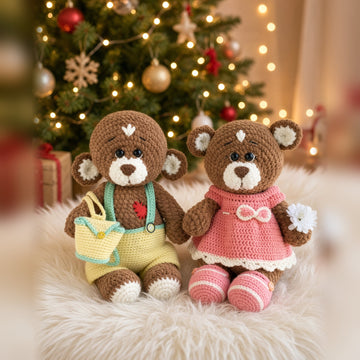
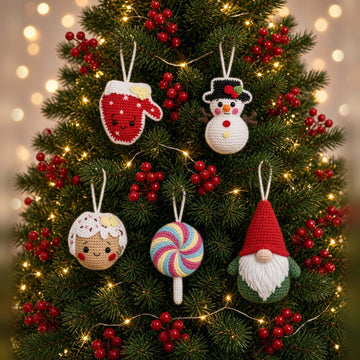
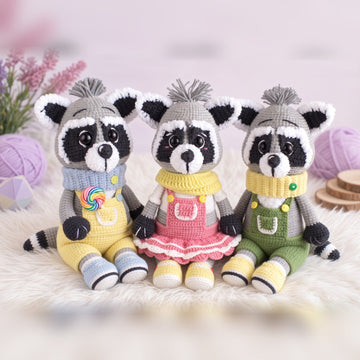
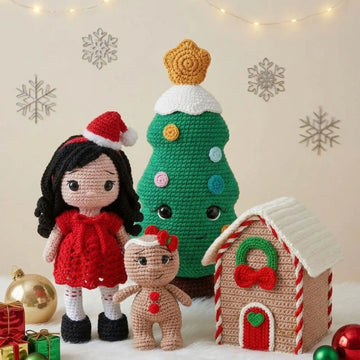
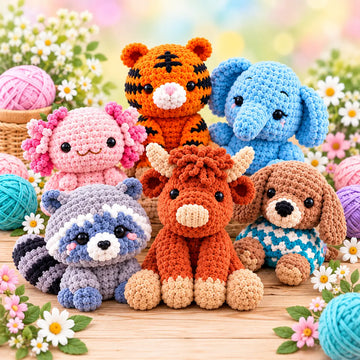
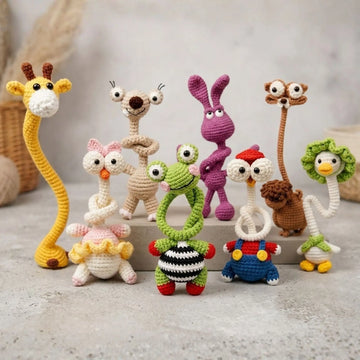
A peek at what you can make
You know that one skein of yarn you bought on impulse because the color was irresistible? The one that's been sitting in your yarn basket for months, waiting for the "right" project? Today is its day. One-skein crochet projects are some of the most satisfying makes in the craft — focused, fast, and finished before the weekend is over.
What "one skein" actually means
Yarn comes in wildly different yardages, so "one skein" isn't one-size-fits-all.
A standard skein of worsted-weight acrylic (think Lion Brand Pound of Love or Red Heart Super Saver) often runs 200–250 yards per 100 g. A ball of cotton DK might be 180 yards. Sport or fingering weight can top 400 yards per 100 g. Before you cast on, check the pattern's yardage requirement against your label — that number matters far more than the weight in grams. When in doubt, wind your skein into a cake and weigh it mid-project on a kitchen scale; you'll know exactly how much you have left.
The best yarn weights for one-skein projects
Worsted weight (size 4) is the sweet spot for most one-skein makes. It works up quickly on a 5–6 mm hook, shows stitch texture beautifully, and is sturdy enough for functional items like bags and coasters. Cotton worsted is particularly good for granny squares and market totes because it holds its shape after washing. If you're crocheting amigurumi, a lighter DK or sport cotton gives you tighter stitches that hide the stuffing inside.
Bulky and super-bulky yarns finish even faster, but they eat yardage quickly — one skein of bulky may only yield a small cowl or a pair of ear warmers. Fingering weight goes the other direction: one skein can produce an entire set of delicate coasters or a small lacey bag, though the project takes longer. For beginners choosing their first yarn, worsted is still the safest bet.
"One skein is not a limitation — it's a deadline. And deadlines make things get done."— Ava, MrsCrochetWorld
Three perfect one-skein starter projects
These patterns are designed to work well within a single skein — practical, pretty, and beginner-friendly enough to finish in a weekend.

Granny Square Bag
Tote · Beginner-friendlyThe classic granny square gets a modern makeover in this structured tote. Two large squares form the front and back panels, then a simple border and handles pull everything together. One 200-yard skein of cotton worsted is enough for a small-to-medium bag — and the pattern includes a video tutorial so you can see every step in real time. It's one of those projects that looks far more impressive than the skill level required. A great one-skein win for your stash.

Frog Bag
Bag · Character · FunWho says a bag can't have a personality? This adorable frog purse blends amigurumi character details with a functional pouch body. A single skein of green DK cotton gives you the whole frog — body, eyes, and legs included. The pattern uses crochet-in-the-round technique throughout, making it excellent practice for leveling up from basic rectangles to 3D shapes. Kids and adults love it equally.

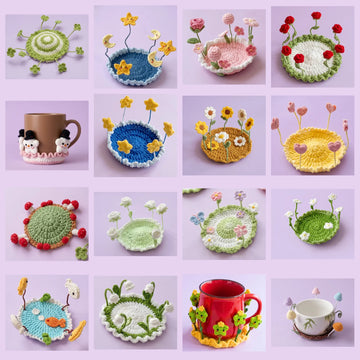
Animal Coasters Bundle
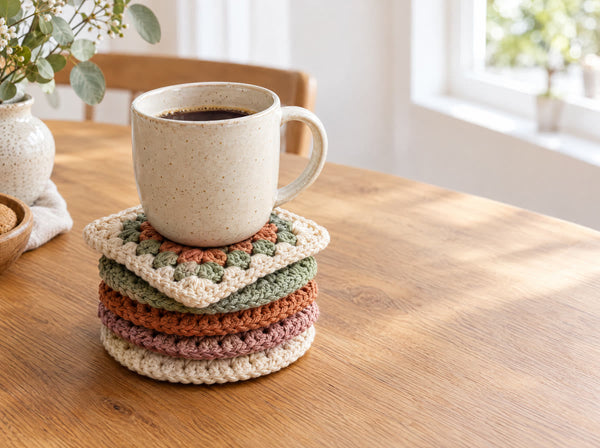
Home Decor · Gift · SetEach individual coaster in this 20-pattern bundle takes only a fraction of a skein, which means one 100 g ball of cotton can produce an entire set of four matching coasters. Mix and match animals for an eclectic table look, or make a matching set as a gift. The flat circular shape is ideal for practicing counting stitches and keeping even tension — two skills every crocheter needs. A single skein goes a very long way here, making this a brilliant stash-buster.
Six project categories that work perfectly with one skein
If you want to branch out beyond our featured patterns, here's what fits comfortably within a single ball.
Mini bags & pouches
Small totes, coin purses, and drawstring bags are ideal one-skein projects. Cotton worsted gives structure; acrylic adds stretch. Browse our bag patterns for size guidance.
Small amigurumi
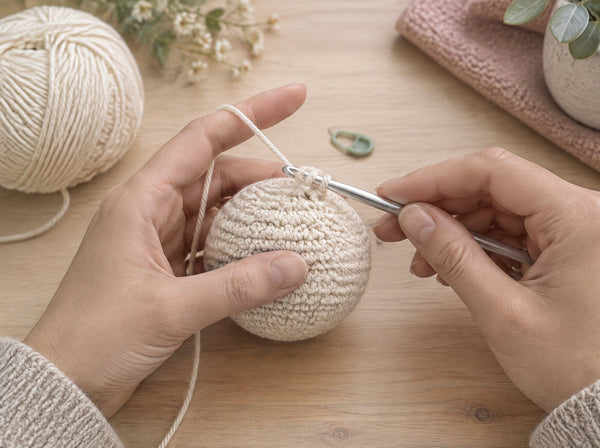
A palm-sized animal or character typically uses 30–60 yards — meaning one skein yields two or three complete toys. Check our amigurumi collection for no-sew options that finish even faster.
Flowers & garlands
Individual crochet flowers use only a few yards each. One skein of DK or sport yarn can produce a full garland of a dozen blooms — perfect for decorating a nursery, wrapping a gift, or making a bouquet that never wilts.
Headbands & ear warmers
A wide twisted headband in bulky yarn takes roughly 30–40 yards. One skein gives you three or four to sell at craft markets or give as quick gifts. Bobble stitch adds great texture.
Coasters & mug rugs
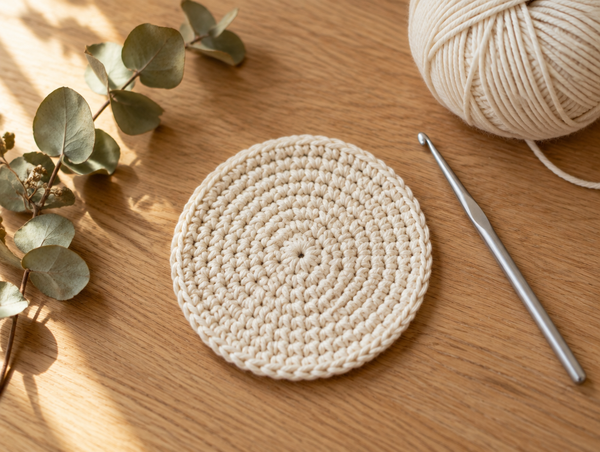
A single crocheted coaster uses 15–25 yards of cotton. One 100 g skein easily makes four to six coasters — a complete housewarming set. Flat projects are also perfect for practicing tension consistency.
Not sure where to start?
Our complete beginner guide walks you through your first hook, first stitch, and first finished object — all in plain English with photos at every step.
Tips for making the most of one skein
- Weigh as you go. A kitchen scale is your best friend on one-skein projects. Weigh your remaining yarn at the halfway point of the pattern — if you're below half weight you may need to adjust your finishing details or skip an optional border.
- Swatch first, even briefly. An off-gauge swatch can mean a bag that's much smaller (or bigger) than expected. A quick 4×4-inch swatch in the round takes ten minutes and saves frustration. Read our guide on getting even tension if your swatch comes out tight or loose.
- Choose a yarn with no dye lots. If you need a second skein after all, matching dye lots is a headache. Brands that advertise "no dye lot" (like Lion Brand Pound of Love) make a seamless add-on possible if you run short.
- Join yarn at a seam or color change. If you do need to extend with a second skein, join at the beginning of a round or row for the cleanest invisible join. Avoid joining in the middle of a row.
- Use every yard with clever finishing. Instead of a thick crocheted handle that eats 20 yards, try twisted cord handles or sewn ribbon handles from your sewing stash. That margin can be the difference between finishing with yarn left over and running short.
- Save the tails — weave strategically. Leaving your starting tail 6 inches long and weaving it in a zig-zag pattern (not back-and-forth) uses less yarn and holds more securely. See our full guide on weaving in ends.
Ready to raid your stash?
Browse our free and budget-friendly patterns — each one designed to be achievable, beautiful, and satisfying to finish. Your lone skein has been waiting long enough.
Get a free pattern Shop beginner patternsFrequently asked questions
How many yards do I need for a one-skein crochet project?
It depends on the project type and yarn weight. A small tote bag in worsted cotton typically needs 150–200 yards. A set of four coasters needs around 80–100 yards. A palm-sized amigurumi uses 30–60 yards. Always check the pattern's listed yardage requirement before you start and compare it to your skein's label.
What is the best yarn weight for one-skein projects?
Worsted weight (size 4) is the most versatile choice. It works up quickly, shows stitch texture well, and is widely available in 200-yard skeins. For faster results try bulky weight; for finer detail work like lacey bags or delicate flowers, choose DK or sport weight.
Can I make an amigurumi with just one skein?
Yes — most small amigurumi use far less than one full skein. A palm-sized animal typically needs 30–80 yards for the main body color, plus small amounts of contrast colors for details. One 100 g skein can easily yield two or three complete small toys.
What if I run out of yarn before finishing?
First, weigh your remaining yarn and compare it to the pattern's remaining yardage. If you're close, simplify the finishing: use a thinner border, skip an optional round, or use ribbon handles instead of crocheted ones. If you truly need more yarn, try to match the dye lot number on your original skein label for the closest color match.
What crochet projects can I make with one skein of cotton?
Cotton is ideal for bags, market totes, coasters, dishcloths, and granny square accessories. It holds its shape when wet, washes well, and gives a clean stitch definition. A 200-yard skein of cotton worsted will comfortably make a small granny square bag or a full set of four coasters.
Are one-skein projects good for beginners?
Absolutely. One-skein projects are actually ideal for beginners because they are short enough to finish before you lose momentum, affordable to attempt (buying just one skein is low-risk), and varied enough to practice different skills. Coasters teach flat circles, bags introduce handles, and small toys introduce working in the round.
How do I choose the right project for my skein?
Check two things: the yarn's weight (or thickness) and its yardage. Match both to the pattern requirements. A pattern written for worsted weight at 200 yards will not work the same way if you use bulky yarn at 100 yards. When in doubt, look for patterns that list a specific yardage rather than just a skein count.
Can I sell items I make from a one-skein crochet pattern?
Most crochet pattern designers allow you to sell finished handmade items, but the rules vary. Always read the pattern's licensing notes before selling. Generally, selling the finished object (the bag, toy, or coaster you crocheted) is permitted; reproducing or reselling the written pattern itself is not. When in doubt, contact the designer directly.