Crochet Spring Flower Garland Pattern: Cozy DIY Spring Decor
String together a garden's worth of cheer with this beginner-friendly crochet flower garland — perfect for mantels, windows, and gift-wrapping all season long.


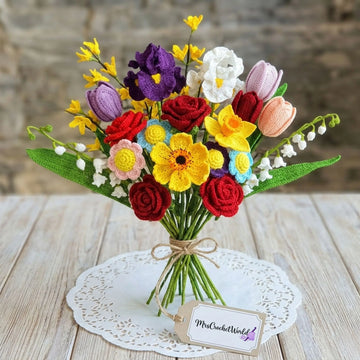
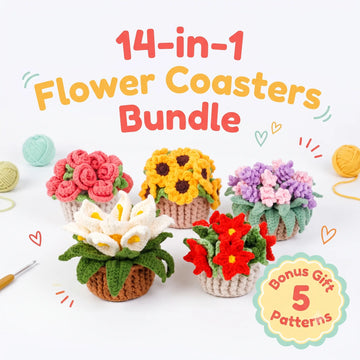
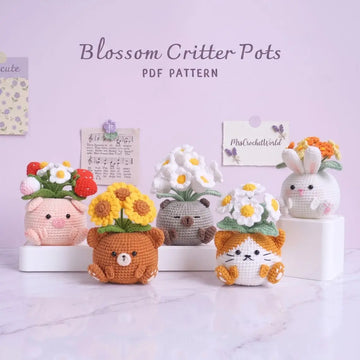
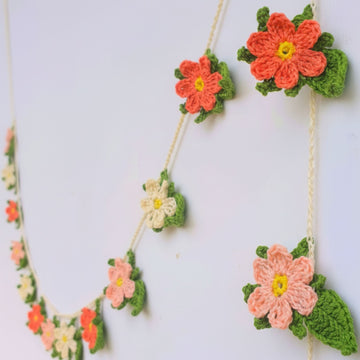
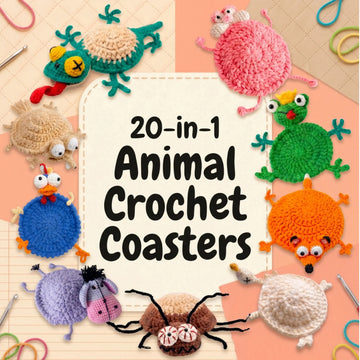
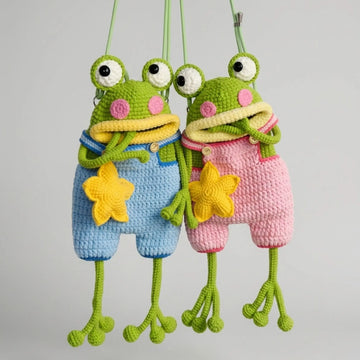
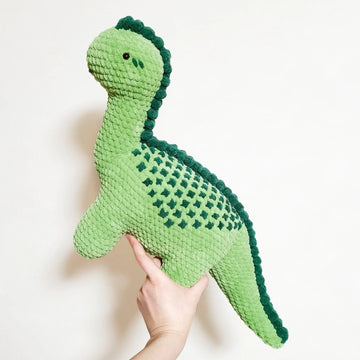
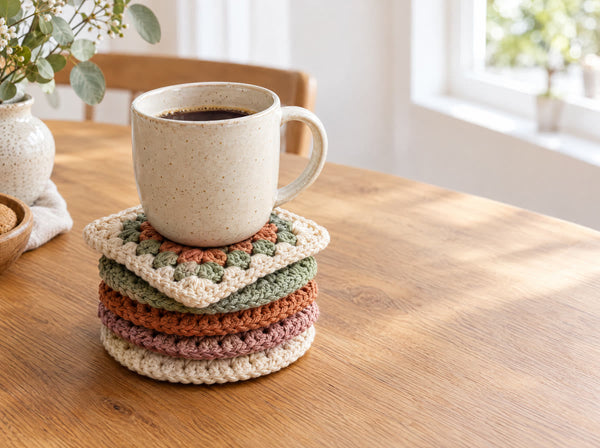
A peek at what you can make
There is something quietly magical about pulling out pastel yarn in February, knowing that every little flower you chain together is a promise of warmer days ahead. A crochet spring flower garland is one of those projects that feels almost too easy for how stunning it looks — a handful of simple motifs, a length of chain stitch, and suddenly your living room smells like April.
Why a flower garland is the perfect spring project
Small, quick, zero commitment — and wildly giftable.
Unlike a full amigurumi or a wearable, a garland is made up of individual motifs. That means you can work on one flower at a time, swap colors whenever the mood strikes, and stop at whatever length suits your space. If you know how to single crochet, chain stitch, and make a magic ring, you already have every skill this project demands.
Garlands also make brilliant handmade gifts. Wrap one around a potted plant, trail it across a mantel for a baby shower, or tie it to a gift box in place of ribbon. The only hard part is deciding which colorway to choose.
What you need to get started
Keep your supply list short and cheerful:
- Yarn: DK or worsted weight cotton in 3–5 spring colors (soft pink, lavender, buttercup yellow, mint, and white are classics). Cotton gives flowers a crisp, defined shape — read more in our guide to best yarn for beginners.
- Hook: 3.5 mm for DK / 4.0–5.0 mm for worsted. Check our crochet hook sizes chart if you are unsure.
- Scissors and a tapestry needle for weaving in ends.
- Twine, ribbon, or a length of chain stitches to string the finished flowers on.
That is genuinely it. No special tools, no expensive notions. This is a great one-skein project — a single skein of each color will make far more flowers than you need for one garland.
Basic flat flower motif — step by step
This five-petal flower works up in about ten minutes once you have the rhythm. US crochet terms throughout.
- Magic ring. Make a magic ring (or chain 4 and slip stitch to form a ring if you prefer the magic ring alternative).
- Round 1 — center. Chain 1, single crochet 10 times into the ring, slip stitch to first sc to close. Pull the magic ring tight. (10 sc)
- Round 2 — petals. *Chain 3, double crochet twice into the same stitch, chain 3, slip stitch into the next stitch.* Repeat * to * around all 10 stitches — you will end up with 5 petals. Fasten off, leaving a 6-inch tail for sewing or attaching.
Make as many flowers as you need — a typical window garland uses 15–25 blooms. Mix sizes by swapping double crochet for treble crochet on some petals for a taller, more dramatic shape.
"Every flower you make is a little exhale — and stringing them together into a garland is the most satisfying kind of slow magic." — Ava, MrsCrochetWorld
Patterns to inspire your spring making
Whether you want to expand your garland with botanical motifs or gift something truly special, these patterns pair perfectly with flower-making season.
Spring Flower Garland Pattern
Seasonal DecorThe full step-by-step PDF includes multiple flower styles, assembly tips, and color suggestions so your garland looks effortlessly coordinated. Perfect for makers who love having a proper pattern to follow alongside our beginner's guide to reading crochet patterns.
9-in-1 Flower Pattern Bundle
Bundle — Best ValueRoses, tulips, irises, daffodils, and more — nine botanical patterns in one download. Mix different flower shapes across your garland for a wildflower meadow effect, or use individual blooms as gift toppers. Browse more in our free patterns collection to round out your spring toolkit.
50 No-Sew Amigurumi Bundle
Great for BeginnersOnce garland fever has you hooked on small quick projects, amigurumi is the natural next step. This 50-pattern bundle is entirely no-sew, so finishing is as painless as the making. Learn more about the technique in our guide to no-sew amigurumi methods.
Six ways to style and vary your garland
Same basic motif, six completely different looks.
Monochrome pastels
Work every flower in shades of a single hue — blush to deep rose, for example — for a sophisticated, gallery-worthy effect.
Add leaf motifs
Crochet simple leaf shapes (chain 10, sc back along the chain) between flowers to give your garland a more botanical, realistic feel.
Rainbow riot
Use every color in your stash. Children's rooms, nurseries, and party decorations love a maximalist garland that looks like a spring carnival.
Add sparkle yarn
Hold a strand of metallic thread alongside your main yarn on a few flowers. Catches the light beautifully on an Easter table or windowsill.
Gift-topper mini garlands
Make a 5–7 flower garland and tie it around a gift box. It doubles as wrapping and a keepsake — a genuinely thoughtful touch from our crochet gift ideas guide.
Ready to go deeper?
Our complete beginner guide to crochet covers everything from holding your hook to reading charts — the perfect companion to any flower project.
Ava's top tips for a garland you'll actually love
- Consistent tension is your friend. Flowers made at wildly different tensions look uneven on the cord. If you are unsure about your tension, read our guide on getting even tension.
- Weave in ends before assembling. It is far easier to tidy each flower individually than to wrestle with dangling tails once everything is strung together.
- Use a locking stitch marker to space flowers evenly. Place a marker every 3–4 chain stitches on your foundation cord so each bloom lands in the same relative position.
- Block your flowers flat. A quick spritz of water and a press under a book (or a proper blocking session) makes cotton flowers look polished and professional.
- Photograph in natural light. Spring garlands are irresistible subjects — hang yours near a window and snap before you hang it permanently. Our photography tips for crochet apply beautifully here too.
- Make extra flowers. They are quick and versatile — use leftovers as hair clips, brooch pins, or card toppers. Nothing goes to waste in flower season.
Start your spring garland today
Grab a PDF pattern, pick your palette, and let the flower-making begin. Our beginner patterns collection has everything you need to keep the spring momentum going long after the garland is hung.
Get a free pattern Shop beginner patternsFrequently asked questions
What yarn weight is best for a crochet flower garland?
DK or worsted weight cotton is ideal. It gives your flowers a crisp, defined shape that holds up well over time. Acrylic works too, especially if the garland will be handled often, but cotton tends to look more polished for home decor.
How many flowers do I need for a typical garland?
A mantel or window garland of about 150 cm (60 inches) usually takes 15 to 25 flowers depending on their size and how much spacing you leave between them. Start with 20 and adjust once you see how it looks in your space.
Can a complete beginner make a crochet flower garland?
Absolutely. If you can chain, single crochet, and slip stitch, you have all the skills you need. The individual flower motifs are small and forgiving — a perfect confidence-builder before you tackle larger projects.
What do I use to string the flowers together?
You have several good options: a crocheted chain of the same yarn, a length of natural jute twine, a ribbon, or thin macrame cord. Sew each flower directly onto the cord using its tail yarn and a tapestry needle for a secure join.
How do I make the flowers look neat and even?
Consistent tension is the key. Work at the same pace throughout and consider blocking your finished flowers flat — a light spray of water and a gentle press gives cotton flowers a clean, professional finish.
Can I sell garlands made from this pattern?
Yes. MrsCrochetWorld patterns come with a small-business seller license, so you can sell finished items you make from our PDFs at craft markets, on Etsy, and similar venues. We ask that you credit MrsCrochetWorld as the pattern designer.
How long does it take to crochet one flower motif?
Once you are comfortable with the steps, most simple five-petal flat flowers take 8 to 15 minutes each. A full garland of 20 flowers can realistically be completed in two or three relaxed evenings of crafting.
How do I care for a finished crochet flower garland?
Spot-clean gently with a damp cloth for dust. If you need a full wash, hand-wash in cool water with a mild detergent, reshape the flowers, and air dry flat. Avoid machine washing, which can stretch and distort the petals.