How to crochet a baby blanket: complete beginner guide
This crochet baby blanket for beginners guide walks you through sizes, baby-safe yarns, the easiest stitches, and a simple written recipe you can finish with pride.

There is a reason the baby blanket is the classic first "big" crochet project: it is flat, forgiving, and built from nothing but one repeated stitch and a little patience. If you have been searching for a crochet baby blanket for beginners guide that is honest about yarn, sizing, and safety — without assuming you already speak fluent pattern jargon — this one was written for you.
Why a crochet baby blanket for beginners actually works
No shaping, no fitting, no sizing anxiety — just rows, rhythm, and a finished heirloom at the end.
A blanket is a rectangle, and rectangles are wonderfully hard to ruin: no sleeves to match, no gauge-critical fit, no assembly. Better still, hundreds of identical rows are exactly how new crocheters develop smooth, consistent stitches — by the last row your tension will be dramatically more even than on row one.
And unlike a practice swatch, a blanket means something. It gets photographed at the shower, dragged to daycare, and kept in a memory box long after it is outgrown.
Baby blanket sizes: a simple chart
Blanket sizes are guidelines, not rules — babies will not be measuring. These are the common targets crocheters aim for:
- Lovey / comfort square: about 12 x 12 inches (30 x 30 cm) — a perfect very first project
- Stroller blanket: about 30 x 35 inches (75 x 90 cm) — the sweet spot for a first full-size blanket
- Receiving blanket: about 40 x 40 inches (100 x 100 cm)
- Crib blanket: about 36 x 54 inches (90 x 135 cm)
My honest advice for a first blanket: choose the lovey or the stroller size. A crib blanket is the same skills for three times the hours, and finishing something small beats abandoning something large. Curious what you are signing up for? Here is a realistic look at how long a crochet blanket takes.
Choosing a baby-safe yarn
For baby blankets, machine washable is non-negotiable — new parents wash everything, constantly. Soft premium acrylics and cotton or cotton blends are the beginner-friendly winners: washable, durable, and affordable. Do the cheek test in the store: if a skein feels scratchy against your cheek, it will feel scratchy on a baby.
Just as important is what to avoid. Skip fuzzy mohair-style, eyelash, and long-pile novelty yarns — they shed fibers near a baby's face and hide your stitches while you work. Skip scratchy rustic wools too. A smooth DK or worsted yarn in a light color is ideal; our guide to the best yarn for beginners names specific fiber pros and cons.
How much yarn do you need?
Yardage depends on size, stitch, and yarn weight, so treat any number as a planning estimate. As a rough rule, a lovey takes one to two standard skeins of worsted yarn, a stroller blanket in half double crochet commonly lands around 900 to 1,200 yards, and a crib blanket needs noticeably more. Buy all your yarn at once with matching dye-lot numbers, plus one spare skein — most shops accept returns of unused skeins.
The three best beginner stitches for baby blankets
Half double crochet (hdc) is my top pick: taller than single crochet, so the blanket grows quickly, but denser than double crochet, so there are no big gaps. If you can work a single crochet and a double crochet, hdc sits right between them.
Granny stripe turns the beloved granny square into straight rows of three-stitch clusters — fast, rhythmic, and perfect for color play. Learn the cluster in our granny square step-by-step tutorial and the stripe version feels instantly familiar.
Moss stitch (also called linen stitch) alternates single crochets and chain-one spaces, each row nestling into the gaps below. It makes a beautiful woven-look fabric with lovely drape — slightly slower than hdc, but wonderfully meditative.
"A baby blanket does not need to be perfect. It needs to be soft, washable, and made by you — the love is worked into every row."— Ava Collins, MrsCrochetWorld
Your first baby blanket: a simple written recipe
This crochet baby blanket for beginners recipe works at any size, in any smooth yarn, with the hook your ball band recommends — it is a recipe rather than a strict pattern.
- Pick your size and yarn. A stroller blanket in soft washable worsted-weight yarn is the classic first choice.
- Chain your width. Make a chain that measures your target width when laid flat and unstretched, then add 2 extra chains for the turning chain. Chain loosely — a tight foundation chain makes the bottom edge pull inward.
- Row 1: Half double crochet in the third chain from the hook and in every chain across. Write down your stitch count — it is now the number you protect for the whole blanket.
- Row 2: Chain 2 (does not count as a stitch), turn, and work one hdc in every stitch — including the last one, where beginners accidentally shrink their blankets. Count every few rows; here is how to count stitches and rows reliably.
- Repeat Row 2 until the blanket reaches your target length.
- Border: Work one or two rounds of single crochet all the way around, placing 3 single crochets in each corner so the border lies flat. This simple frame tidies every edge beautifully.
- Weave in your ends with a tapestry needle, doubling back on each tail so nothing works loose in the wash.
If your edges go wavy or the width slowly changes, do not rip everything out — these are the two most common hiccups, and our guides to why crochet curls and the top 12 beginner mistakes show how to fix each one.
Safety notes every gift-maker should know
Good news first: a normal loose or open crochet weave is fine — tiny fingers poking through moss stitch or granny gaps is nothing to fear. A few things genuinely matter, though:
- Skip anything that can detach. Buttons, beads, pom-poms, and sewn-on appliqués can come loose and become choking hazards. If you want decoration, embroider it directly into the fabric instead.
- Avoid very large open loops and long fringe or tassels, which can catch and tangle.
- Follow safe-sleep guidance. Current recommendations keep loose blankets out of the crib for young infants — a handmade blanket is for stroller rides, tummy time, and supervised snuggles, and parents can ask their pediatrician about when to introduce it for sleep.
- Wash before gifting with a gentle, fragrance-free detergent, so the blanket arrives soft, clean, and ready to use.
When the blanket is done: add a matching buddy
Here is my favorite gift upgrade — and I will be upfront: we design amigurumi patterns, not blankets, so this is where our shop can genuinely help. A blanket with a little crocheted animal tucked into the folds becomes a complete gift set, and the skills transfer beautifully: after hundreds of blanket stitches, your hands are ready for no-sew amigurumi, where pieces join as you crochet.
Finish the gift set: blanket + buddy
Three sweet ways to add a matching amigurumi friend to the blanket you just made.

50 no-sew amigurumi patterns bundle
mega bundleFifty simple plushie patterns with zero sewing — so whatever the nursery theme, there is an animal to match your blanket. Browse the whole amigurumi collection and pick the baby's first best friend.

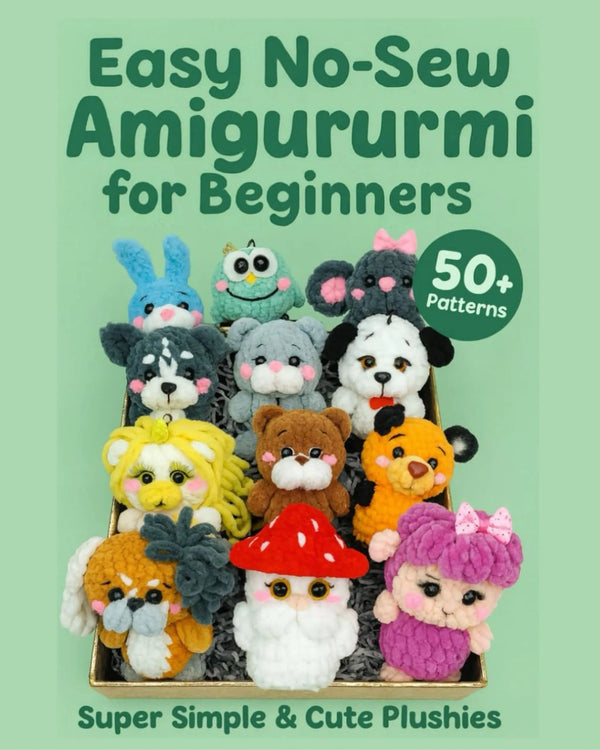
Easy no-sew amigurumi — the book
printed bookPrefer paper on your lap while you crochet? This printed book collects 50 super simple, beginner-first plushie patterns — a lovely companion to keep in the project basket next to your blanket yarn.

Free purple daisy turtle pattern
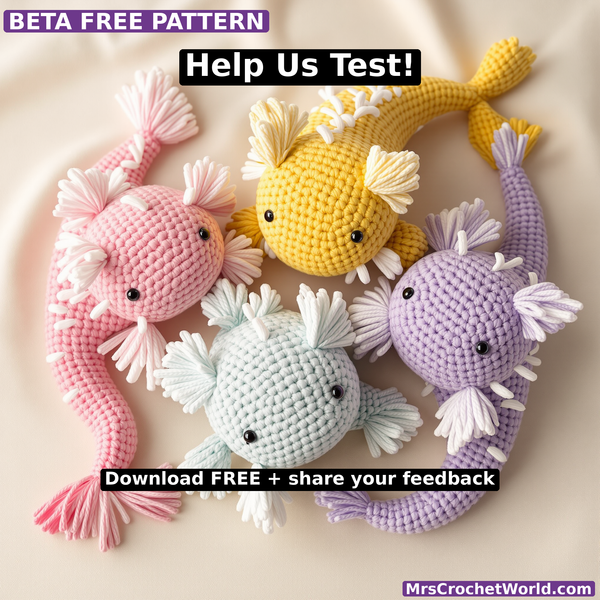
free patternWant to test the amigurumi waters before buying anything? This sweet no-sew turtle is completely free — download the PDF, use your blanket leftovers, and tuck the finished turtle into the gift box.
Six touches that make your blanket gift-ready
The last five percent of effort is what people remember about a handmade gift.
Wash it first
Run the finished blanket through a gentle, fragrance-free wash so it arrives soft, clean, and pre-tested for laundry day.
Weave ends twice
Double back every tail in two directions. A blanket that survives a hundred washes is a blanket with well-buried ends.
Frame it with a border
Even one round of single crochet with 3 stitches in each corner turns homemade edges into a polished finish.
Include a care note
A little card with the fiber content and washing instructions saves the parents guesswork — and saves your blanket from the hot dryer.
Tuck in a buddy
A small matching amigurumi turns a blanket into a gift set — and it is the piece the toddler will carry everywhere.
Never crocheted before?
Start at the very beginning — hook, slip knot, first chain — with our complete beginner guide to crochet.
Baby blanket success tips
- Buy the yarn in one trip. Matching dye lots means matching colors — mixed lots can show as a faint stripe across the blanket.
- Chain loosely. A tight foundation chain makes the bottom edge narrower than the rest; go up a hook size for the chain if needed.
- Guard your stitch count. Count every few rows — nearly every "my blanket is getting narrower" mystery is a missed last stitch.
- Finish the row before you put it down. Stopping mid-row is how stitches get lost and turning chains get doubled.
- Use a row counter or tally. Rows blur together fast; a counter tells you exactly where you are after a week away.
- Measure flat and often. Lay the blanket on a table, not your lap, to check width and length honestly.
Every heirloom starts with a chain
Pick a soft washable yarn, chain your width, and let the rows add up one cozy evening at a time — the finished blanket will outlast every store-bought gift at the shower.
Get a free patternShop beginner patternsFrequently asked questions
What is the easiest stitch to crochet a baby blanket?
Half double crochet is the easiest stitch that also gives a great result. It grows faster than single crochet, stays denser than double crochet, and produces a soft, even fabric with no big gaps. Granny stripe and moss stitch are lovely beginner-friendly alternatives.
How big should a crochet baby blanket be?
Common guideline sizes are a 12 x 12 inch lovey, a 30 x 35 inch stroller blanket, a 40 x 40 inch receiving blanket, and a 36 x 54 inch crib blanket. For a first project, the lovey or stroller size is the most realistic and satisfying choice.
What is the best yarn for a baby blanket?
A soft, machine-washable yarn is essential — premium acrylic and cotton or cotton blends are the classic choices. Avoid fuzzy mohair-style, eyelash, and long-pile yarns that shed fibers, and skip anything that feels scratchy against your cheek in the store.
How many chains do I start with?
Instead of a fixed number, chain until the chain measures your target blanket width laid flat without stretching, then add 2 chains for turning. Chain loosely, or use a hook one size larger for the foundation chain, so the bottom edge does not pull tight.
Are open or lacy stitches safe for babies?
A normal open crochet weave is generally fine — small gaps between stitches are not dangerous. What to avoid are very large open loops, long fringe, and anything sewn on that could detach, like buttons, beads, or appliqués. Embroider decorations instead.
Can a baby sleep with a crochet blanket?
Safe-sleep guidance recommends keeping loose blankets out of the crib for young infants. A handmade blanket is perfect for stroller rides, tummy time, and supervised cuddles, and parents can ask their pediatrician when it is appropriate to introduce a blanket for sleep.
How long does it take a beginner to crochet a baby blanket?
It varies with size, stitch, and how often you pick up the hook. A small lovey can come together over a weekend of relaxed evenings, while a stroller or crib blanket is typically a several-weeks companion project. Chunkier yarn and taller stitches speed things up.
Do I need to block a baby blanket?
Usually not. Acrylic blankets mostly just need a wash and a flat dry to relax into shape. Cotton blankets can benefit from light wet blocking if the edges are uneven, but a simple single crochet border fixes most edge issues without blocking at all.
Why is my blanket getting narrower or wider?
You are almost certainly losing or gaining stitches at the ends of rows — missing the last stitch or working an extra one into the turning chain. Count your stitches every few rows and always check that each row matches your original count.
Can I sell baby blankets I crochet?
Generally, yes — blankets you make yourself from a basic recipe like this one can be sold at markets or online. If you follow a designer's paid pattern, check the license that comes with it first, and always disclose fiber content and care instructions to buyers.