Crochet keychain patterns: 30+ mini amigurumi ideas
Tiny projects, huge payoff. Here is why crochet keychain patterns are the most giftable, stash-busting makes in all of amigurumi — and how to stitch them beautifully small.

Some evenings you want a project you can actually finish before bed. That is the whole magic of crochet keychain patterns: a palm-sized amigurumi charm takes an hour or two, uses leftover yarn you already own, and turns into a gift, a bag charm, or a craft-fair bestseller the moment you clip the hardware on. In this guide I will show you what makes minis such satisfying makes, the techniques that keep tiny stitches tidy, and where to find 30+ beginner-friendly designs.
Why mini keychains are the perfect project
One evening. One handful of yarn. One very happy recipient.
Full-size plushies ask for a week of evenings and a whole skein or three. A keychain charm asks for almost nothing: under two hours and a few grams of yarn, which makes minis the ultimate stash-busting project — one leftover ball can become five little friends. They are also a low-pressure way to practice core skills like the magic ring, and because everyone carries keys or a bag, they are the rare handmade gift that gets used daily. You will find more quick ideas in our crochet gift roundup, and if amigurumi is brand new to you, start with our complete beginner's guide to amigurumi.
Techniques that make crochet keychain patterns shine
Small scale changes a few rules. Size down your hook. A 2.0–2.5 mm hook with fingering or sport-weight yarn gives a tight fabric that holds its shape and hides stuffing. Keep tension firm and even. Every loose stitch shows at this scale, so if your gauge wanders, our guide to even crochet tension is worth ten minutes. Choose faces wisely. Tiny 5–6 mm safety eyes look adorable, but embroidered eyes are safer for charms on kids' backpacks. Smooth cotton shows tiny stitches most crisply; see our cotton versus acrylic comparison for the trade-offs.
Attaching hardware and selling your minis
The finishing touch is the hardware. Sew a small yarn loop or crocheted chain to the top of the charm, then attach a split keyring, lobster clasp, or swivel hook — lobster clasps clip on and off bags without wrestling the ring. Anchor the loop through several stitches, not just one, so daily jingling never works it loose.
Minis are also a craft-fair favorite: quick to restock, easy to price accessibly, irresistible on a display board. If you plan to sell, read our guide on whether you can sell items made from a crochet pattern first — original animal designs are safe territory, while character-inspired pieces need more care.
"A keychain is the smallest possible amigurumi — and somehow the one that makes people smile the biggest."— Ava Collins, MrsCrochetWorld
Three ways to start your mini collection
From a whole book of tiny friends to a completely free frog — pick your entry point.

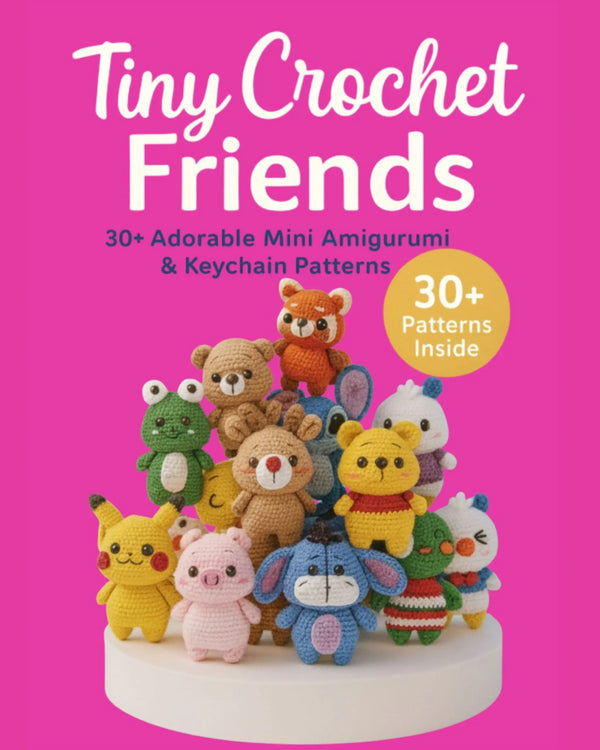
Tiny Crochet Friends: 30 patterns
the keychain bookThirty beginner-friendly mini amigurumi in one book — animals, treats, and little charmers, each written in US terms with round-by-round counts and designed to finish in an evening. A lovely companion to our easy amigurumi favorites; browse it in the books collection.

The free mini frog keychain
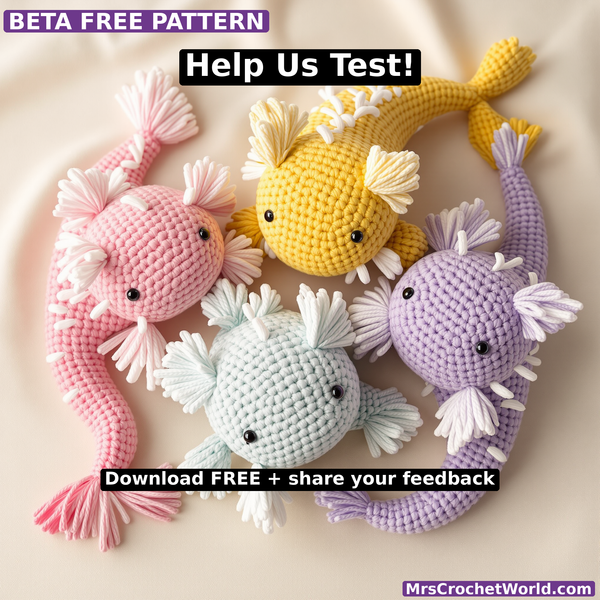
100% free downloadWant to test the waters first? Our mini frog keychain is a genuinely free instant download — a perfect one-evening introduction to tiny-scale stitching, and one of several gifts in our free patterns collection.

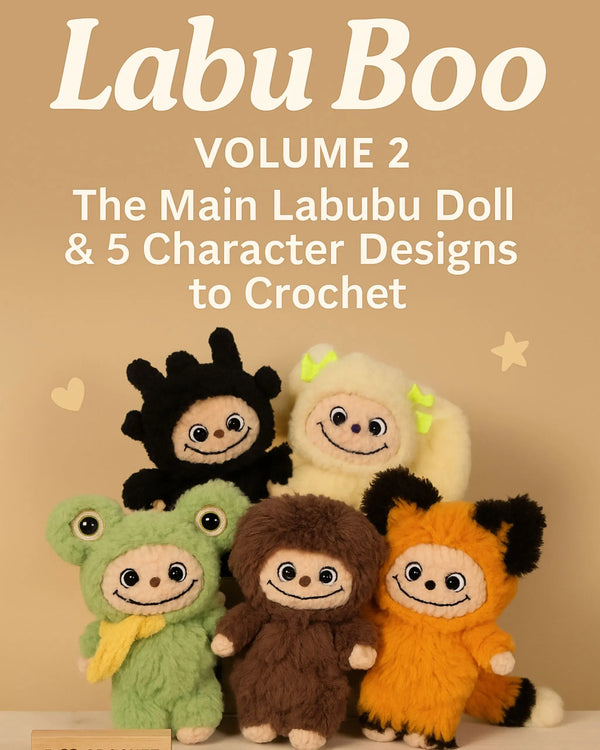
Labu Boo plushies and keychains
trend-inspired minisOur fan-inspired take on the viral monster-doll trend — unofficial and not affiliated with Pop Mart — includes dedicated keychain versions plus ten outfits and accessories. The pointy-eared charm is everywhere on handbags right now; find more designs like it in our character-inspired collection.
Six reasons minis earn a permanent spot in your rotation
Beyond the cuteness, keychain-scale crochet quietly makes you a better maker.
One-evening wins
Most minis finish in one to two hours — instant gratification that keeps motivation high between bigger projects.
Scrap-yarn heaven
A few grams per charm means your leftover-yarn basket is suddenly a treasure chest, not clutter.
Gifts people use
Keys, backpacks, zipper pulls, bag charms — minis live in daily life instead of on a shelf.
Craft-fair friendly
Quick to restock and easy to price, minis are a classic entry point for makers who want to sell.
Skill sharpeners
Magic rings, tight tension, tiny decreases — every mini is a low-stakes rep of the skills big plushies demand.
Ava's tips for tidy tiny stitches
- Stuff in small pinches. Overstuffed minis stretch and show gaps; understuffed ones go limp. Add fiberfill until the shape just holds.
- Weave ends twice. Keychains get jostled daily, so run every tail through the body in two directions before trimming.
- Embroider faces for kids. Skip plastic safety eyes on charms destined for small children's bags — stitched eyes are just as sweet and completely secure.
- Use a swivel clasp for bags. It lets the charm spin instead of twisting the loop loose over time.
- Batch your parts. Making three frogs? Crochet all the bodies, then all the limbs — assembly-line style is dramatically faster.
- Block nothing, brag immediately. Minis need no blocking; clip one to your keys the moment the last end is woven in.
Your keys deserve a tiny friend
Start with a free mini pattern tonight or dive into thirty little characters — either way, you are two hours from your first charm.
Get a free patternShop beginner patternsFrequently asked questions
How long does a crochet keychain take to make?
Most mini amigurumi keychains take one to two hours from magic ring to finished charm, making them the fastest projects in amigurumi. Even detailed designs rarely take more than an evening.
What yarn is best for crochet keychains?
Fingering or sport-weight cotton is ideal — it shows tiny stitches crisply and stands up to daily handling. Acrylic works too and comes in endless colors; just work it at tight tension.
What hook size should I use for mini amigurumi?
A 2.0 to 2.5 mm hook suits fingering or sport-weight yarn. The goal is a fabric tight enough that no stuffing shows, which usually means going one or two sizes below the yarn label recommendation.
How much yarn does one keychain use?
Very little — typically just a few grams, which is why keychains are famous as scrap-busters. One leftover ball of yarn can easily become several charms.
Should I use safety eyes or embroidered eyes on keychains?
Both work, but embroidered eyes are the safer choice for charms on children's backpacks and anything that gets rough daily handling. If you use safety eyes, pick small 5 to 6 mm ones and snap the washers on firmly.
How do I attach the keyring hardware?
Sew a short yarn loop or crocheted chain to the top of the charm, anchoring it through several stitches, then add a split ring, lobster clasp, or swivel hook. Lobster clasps are easiest for switching charms between bags.
Are crochet keychains good for beginners?
Yes — they use the same core skills as full-size amigurumi, only in smaller doses, so mistakes cost minutes instead of days. If you can single crochet, increase, and decrease, you can make a keychain.
Can I sell the keychains I make?
Handmade items from original patterns are generally fine to sell in small quantities, and minis are craft-fair favorites. Check each pattern's terms, and be careful with character-inspired designs — our selling guide covers the details.
What is in the Tiny Crochet Friends book?
Thirty beginner-friendly mini amigurumi keychain patterns — animals, treats, and little characters — written in US terms with round-by-round stitch counts and designed to finish in about an evening each.
Is there a free keychain pattern I can try first?
Yes — our mini frog keychain amigurumi pattern is a genuinely free instant PDF download, and the free patterns collection has more zero-cost designs to practice on.