How to Crochet the Spike Stitch (Long / Dropped Stitch)
Master this bold, textural technique in one sitting — it's easier than it looks and makes every project look like advanced work.

The spike stitch — also called a long stitch or dropped stitch — is one of those delightful surprises in crochet: a technique that looks like it requires serious skill but is genuinely beginner-friendly once you understand the one simple trick behind it. You insert your hook lower than usual, pull up a tall loop, and keep going. That's it. The result is a fabric with dramatic vertical lines, chevron-like textures, or bold geometric color patterns that make people ask, "How did you do that?"
What exactly is the spike stitch?
Understanding the structure before you start makes everything click.
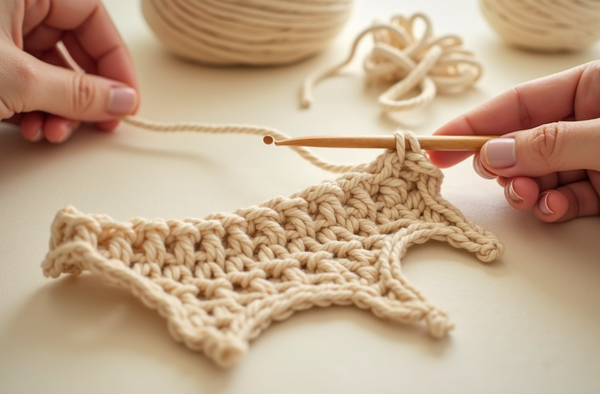
In standard crochet you always insert your hook into the stitch of the current row below. With a spike stitch you deliberately skip down — inserting into a stitch one, two, or even three rows lower. When you pull up the loop and complete the stitch, the yarn travels a longer distance, creating a visible "spike" on the fabric surface. The stitch itself is usually a single crochet, so if you already know how to single crochet, you already know most of the spike stitch.
Spike stitches are common in colorwork projects, blankets, pouches, bags, and decorative panels. Because the stitch pulls yarn from a lower row, it can bridge two colors and create a woven look without any complicated intarsia or tapestry technique.
Materials you need
You don't need anything special. Grab:
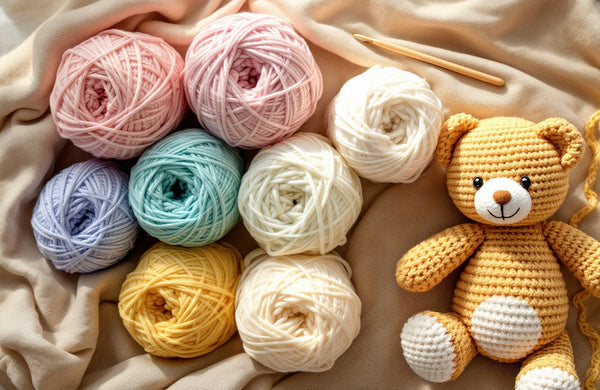
- Any smooth worsted-weight yarn (smooth yarn shows the spike shape most clearly — avoid fuzzy yarn for your first attempt)
- A crochet hook sized for your yarn (US J / 6mm is great for practice)
- A second contrasting yarn color if you want to try colorwork spikes
- Scissors and a yarn needle for weaving ends
If you're not sure which yarn to pick, check the guide on best yarn for beginners — the same principles apply here.
How to work the spike stitch — step by step
Follow these steps and you'll have textured fabric in minutes.
Step 1 — Foundation: Chain any even number of stitches (16–20 works well for practice) and work 2–3 rows of regular single crochet. These base rows give you the lower stitches your spike will reach down into.
Step 2 — Identify where to insert: On your spike row, look at the stitch in the row below your current row. Count down one more row — that's where you'll insert your hook for a 1-row spike. For a deeper spike, count down 2 or 3 rows.
Step 3 — Insert low: Push your hook through the fabric at that lower stitch, going completely through the fabric from front to back. Make sure you go through both loops of that lower stitch.
Step 4 — Pull up a long loop: Yarn over and pull up a loop. Because you're reaching down further, this loop will be taller than usual — that's exactly what you want. Gently pull it up to match the height of your current row (don't leave it loose or pull it tight).
Step 5 — Complete as a single crochet: Yarn over and pull through both loops on your hook. You've made one spike stitch! The long loop you just pulled up creates the visible spike on the right side of the fabric.
Step 6 — Alternate or repeat: Work the next stitch as a regular single crochet, then another spike, to create an alternating pattern. Or work multiple consecutive spikes for bolder lines. Experiment freely — there's no wrong way to arrange them.
Tension tip: the most common mistake
The biggest beginner error with spike stitches is pulling the long loop too tight, which puckers the fabric and distorts the rows below. When you pull up your loop, aim to match the height of your working row — think of it as "lifting" yarn rather than "pulling" it. If your fabric bunches up, loosen your grip slightly and try again. You'll find the right feel after a few stitches. For more tension guidance see our article on how to get even crochet tension.
"The spike stitch is proof that one small change — just inserting your hook one row lower — can completely transform your crochet fabric."— Ava, MrsCrochetWorld
Patterns that showcase spike stitch beautifully
Put your new skill to work with these pattern picks from the MrsCrochetWorld shop.

9 Modern Crochet Bag Patterns Bundle
Bags & AccessoriesNine stylish bag patterns in one PDF — several use textural stitch techniques similar to the spike stitch to create dimensional, eye-catching fabric. A fantastic way to practise your new skill on a functional project. Pair with our article on how to crochet a granny square to explore more textural combinations.

Granny Square Bag Pattern + Video Tutorial
Bags & AccessoriesThis tote pattern comes with a step-by-step video tutorial, making it ideal for visual learners who want to mix classic granny squares with accent texture stitches like the spike. Browse the full crochet bags & accessories collection for more ideas.

50 No-Sew Amigurumi Patterns Bundle
Amigurumi BundleOnce you're comfortable with texture stitches, amigurumi is a joyful next step. This 50-pattern mega-bundle uses no-sew construction so there's zero assembly stress. See the full writeup in our article on 50 no-sew amigurumi patterns.
Six creative ways to use the spike stitch
This one technique opens up a surprising range of looks depending on how you apply it.
Two-color stripes
Switch colors every two rows and use spike stitches to pull the lower color up into the current row, creating a woven, interlocked stripe effect without carrying yarn across the back.
Bag accent panels
A section of spike stitches on a tote bag or clutch adds a woven-leather visual effect. Combine with plain single crochet rows for contrast and structure.
Blanket borders
Work a spike stitch border around a finished blanket — the long stitches frame the piece like a woven edge and give a polished, professional finish.
Geometric chevrons
Arrange spike stitches in increasing-then-decreasing sequences across a row to form a chevron or V-shape — no special increase or decrease stitch needed.
Textured washcloths
Cotton yarn plus spike stitches makes a wonderfully textured washcloth that's both decorative and functional. A quick one-skein project perfect for gift-giving — see more ideas in one-skein crochet projects.
Ready to explore more stitches?
The spike stitch pairs brilliantly with other texture stitches. Head to our complete beginner guide to crochet for a full stitch roadmap from chain to advanced colorwork.
Pro tips for perfect spike stitches every time
- Count your rows first. Before starting a spike row, mentally note how many rows back you'll reach. Mark them with a stitch marker if needed — consistency is what gives the pattern its neat, even look.
- Match your loop height. Pull the long loop up to the exact same height as the stitches on your current row. Too short and the fabric puckers; too tall and the spike looks loose and floppy.
- Use smooth yarn for learning. Avoid fuzzy, bouclé, or textured yarns until you're confident. Smooth yarn lets you see exactly where the spike is going and makes fixing mistakes easy — see how to fix crochet mistakes if you need to backtrack.
- Start with 1-row spikes. A spike that reaches just one row below is the most forgiving. Once that feels natural, try 2-row and 3-row spikes for more dramatic effects — similar to the depth play in the crocodile stitch.
- Block your finished piece. Spike stitch fabric can look slightly uneven off the hook. A gentle wet block or steam block evens out the loops beautifully — read our how to block crochet guide for the full method.
- Experiment with color placement. The spike stitch rewards color play. Try working your spike in a contrasting color to create a bold line accent, or use a self-striping yarn and let the spike carry the color shift naturally.
Ready to stitch something beautiful?
Now that you know the spike stitch, you have a powerful new tool in your crochet kit. Grab a free pattern to practise on, or browse our beginner-friendly collection to find your next project.
Get a free pattern Shop beginner patternsFrequently asked questions
What is a spike stitch in crochet?
A spike stitch (also called a long stitch or dropped stitch) is a stitch worked by inserting your hook one or more rows below the current row, pulling up a tall loop, and completing it like a regular single crochet. The long loop creates a visible vertical spike on the fabric surface, adding texture and depth.
Is the spike stitch good for beginners?
Yes. If you know how to single crochet, you already know most of the spike stitch. The only new skill is inserting your hook lower than usual and pulling up a slightly taller loop. Most beginners pick it up within a few minutes of practice.
How far down can I spike?
You can spike 1, 2, or even 3 rows below your current row. One-row spikes are the most common and easiest to tension evenly. Deeper spikes create a more dramatic look but require a bit more care to keep the loop height consistent and the fabric from puckering.
Why is my spike stitch puckering the fabric?
Puckering almost always means you pulled the long loop too tight. When you draw the loop up from the lower row, aim to match it to the height of your current working row rather than pulling it snug. Relax your tension slightly and the fabric should lie flat.
Can I use the spike stitch with multiple colors?
Absolutely — this is where the spike stitch really shines. Switch colors every two rows and use spike stitches to pull the lower color up into the current row. This creates a woven, interlocked look without any complicated colorwork technique like tapestry or intarsia.
What yarn weight works best for the spike stitch?
Worsted weight (category 4) is ideal for learning because the stitches are large enough to see clearly. Any weight works once you're comfortable, but avoid very fluffy or textured yarns at first as they make it hard to identify where to insert your hook in the lower rows.
What projects are spike stitches used for?
Spike stitches appear in blankets, scarves, bag panels, dishcloths, coasters, and decorative borders. They are especially popular in colorwork projects where you want a woven or striped effect without carrying yarn across the back of the work.
How do I read a spike stitch abbreviation in a pattern?
Patterns abbreviate spike stitches in different ways. You may see "sp sc," "spike sc," "long sc," or "sc in row below." The instructions will always specify how many rows below to insert your hook. When in doubt, check the pattern's abbreviation key or read our full guide on how to read a crochet pattern.