Most Profitable Crochet Items to Sell (Best Return Per Hour)
Not all crochet projects are created equal when it comes to selling. These are the items that earn the most per hour of your time — so you can turn your hobby into real income.


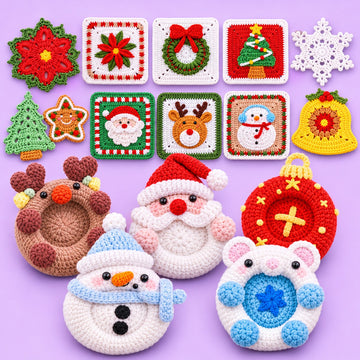
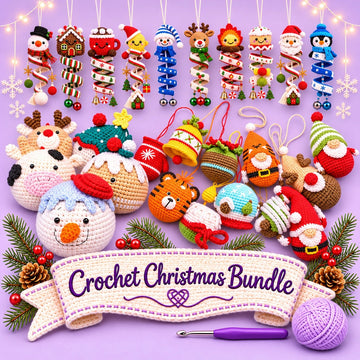
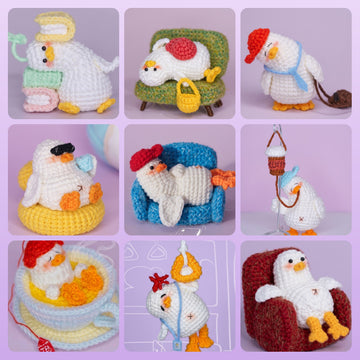
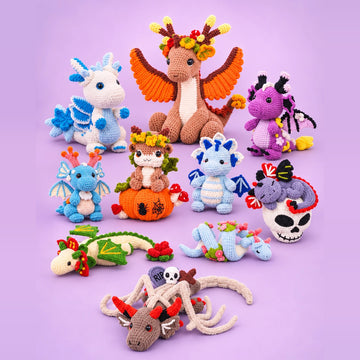
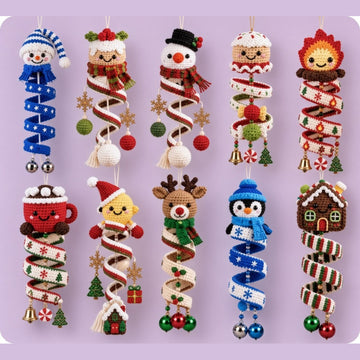
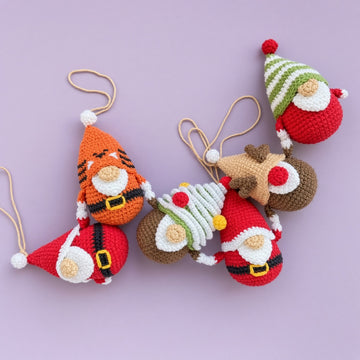
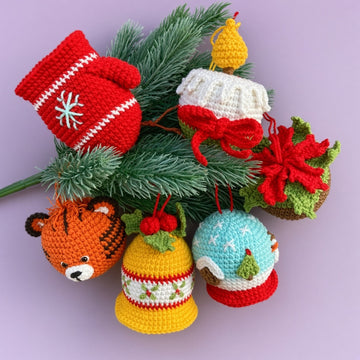
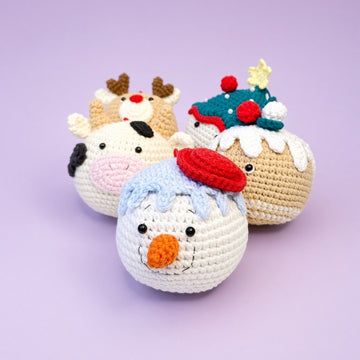
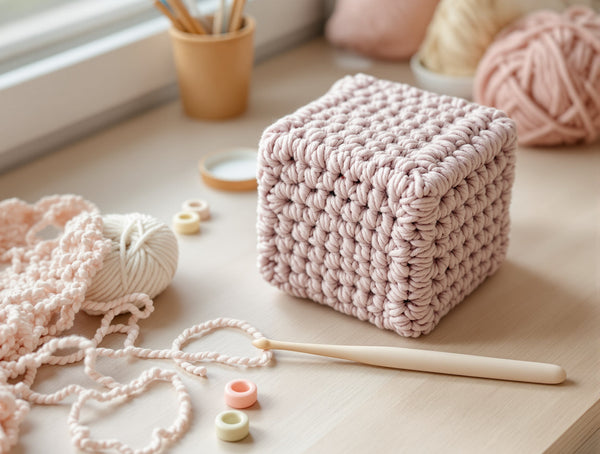
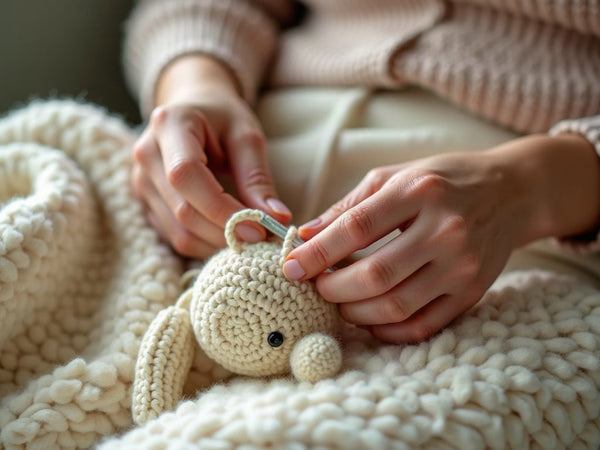
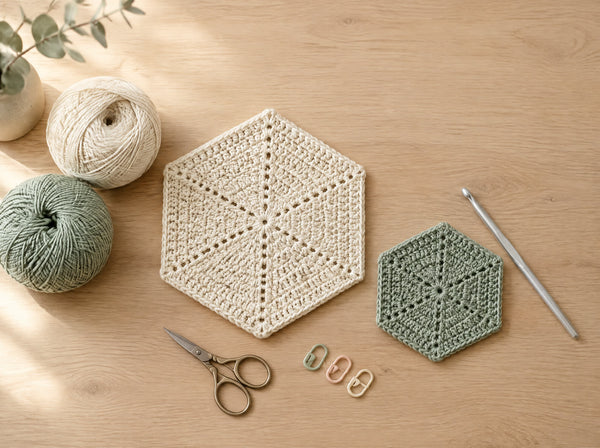
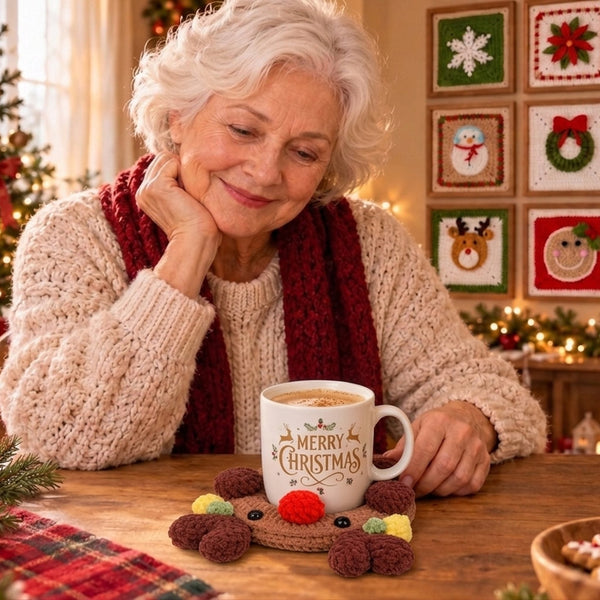
A peek at what you can make
If you've ever finished a beautiful crochet piece, admired it for ten seconds, and then stared at a pile of yarn wondering, "Could I actually make money from this?" — the answer is yes. But the key is choosing the right items. Crochet sellers who earn consistently don't just make what they love; they make what sells fast and pays well per hour spent hooking.
Selling crochet at a glance
| Hourly rate (this guide's formula) | (sale price − material cost) ÷ hours worked = your hourly rate |
|---|---|
| Minimum price (this guide's formula) | material cost + hours worked × your hourly rate – never below your material cost |
| In this guide | 3 featured pattern sets, 5 items worth selling, 6 tips and 8 FAQs |
| Featured pattern sets | 50-in-1 No-Sew Amigurumi (50+ designs, 240-page PDF), 9 Modern Crochet Bag Patterns (9 designs), 21-in-1 Animal Coasters (21 pop-up designs) – all in US crochet terms |
| Selling what you make | All finished items made from MrsCrochetWorld patterns and books may be sold – credit is appreciated, never required. Not allowed: copying, sharing, reselling or uploading the patterns (PDFs) or books themselves |
| Children's products (US) | the CPSC defines them as products “designed or intended primarily for children 12 years of age or younger”; they “are required to undergo third-party testing” and need a written Children's Product Certificate[1] |
| Plush toys for under-3s (US) | 16 CFR 1501 covers “stuffed, plush, and flocked animals and other figures”; a toy fails if a piece that comes off in use-and-abuse testing fits entirely in the small-parts test cylinder[2] |
| Worsted yarn (#4 Medium) | 5.5–6.5 mm hook (US I-9 to K-10½)[3] |
Worked example (this guide's numbers): $15 ÷ 0.75 h = $20 per hour for a 45-minute keychain; $55 ÷ 12 h ≈ $4.58 per hour for a 12-hour throw – both before the yarn is subtracted. Turned around, 12 hours × your hourly rate + yarn is the least a throw must sell for, which is why small, fast items earn more per hour.
Prices in this guide are examples, not market data – your materials, speed and local market decide. This is not legal advice – rules for children's products and toys differ from country to country.
Why "profit per hour" beats "profit per item"
A $60 wall hanging sounds amazing — until you realize it took 15 hours to make.
The real metric every crochet seller should track is earnings per hour of work. For example, if you price an amigurumi keychain at $15 and it takes 45 minutes, that is $15 ÷ 0.75 h = $20 per hour before materials. A throw priced at $55 that takes 12 hours works out to $55 ÷ 12 h ≈ $4.58 per hour — and that is before you subtract the yarn.
Before you fall in love with a project for your shop, do this quick math: (sale price − material cost) ÷ hours worked = your hourly rate. Decide what hourly rate you want to earn, and remember that online platforms charge fees on top of your costs. For a deeper dive into setting your numbers, read our guide on how to price handmade crochet items.
Amigurumi: the reigning champion of crochet sales
Small, fast, and irresistibly cute — amigurumi punch well above their size when it comes to profit.
Amigurumi are crocheted stuffed animals or character toys, typically worked in the round with a tight tension to hide the stuffing. They sell at craft fairs, online marketplaces and pop-up shops, and their price depends on size, complexity and where you sell. A simple animal figure — say, a small bunny or a chubby dinosaur — can be finished in two to four hours by an experienced crocheter.
What makes amigurumi especially profitable is that once you learn the basics of amigurumi construction, you can replicate the same pattern dozens of times. Batch-making the same design reduces your per-unit time significantly. Make five bunnies in a session and you'll be faster on the fifth than you were on the first.
If you want to skip the cost and guesswork of developing patterns yourself, our amigurumi pattern collection gives you tested, detailed, low-sew designs ready to make and sell (you may sell everything you make from MrsCrochetWorld patterns – credit is appreciated, never required). Our no-sew amigurumi techniques guide is also a game-changer for speeding up production — no sewing means less time per piece.
Crochet bags and totes: high value, fast return
A handmade bag people can use every day has a value buyers see at once.
Bags are one of the most dependable sellers in the crochet market. Granny square totes, market bags, and bucket bags have all trended strongly in recent years, and buyers understand that a well-made handmade bag is worth paying for. Material costs stay modest compared with the price a well-made bag can carry — check the yardage your pattern lists to work out your exact yarn cost.
The sweet spot is a medium-sized tote worked in cotton yarn. It's sturdy, washable, and looks professional. If you can complete one in four to six hours, you're looking at a solid return. Granny square designs are especially popular because the colorful visual complexity reads as high effort to buyers, even when the individual squares are quick to make. See our full tutorial on how to crochet a granny square for technique refreshers.
Small accessories: quick wins for craft fair tables
Keychains, coasters, and scrunchies fill your display table and keep cash flowing all day.
If you're selling at a craft market, you need items at every price point. Small accessories — keychains, coin purses, cup cozies, headbands, bookmarks — are your low-priced impulse buys. They're quick to make (often 20–60 minutes each), require minimal yarn, and customers grab them as gifts or add-ons.
Animal coasters are a particularly clever choice: they're functional, cute, and you can make a full set of four in an afternoon. Buyers love gifting them. They also photograph beautifully for online shops. Browse the ultimate animal coasters guide for pattern inspiration.
Scrunchies are another quick-win item. A single skein of bulky velvet yarn makes several scrunchies, each completed in under 30 minutes. They work well as low-priced add-ons, and some customers pick up more than one.
"The secret to a profitable crochet shop isn't making everything — it's making the right things, repeatedly and joyfully." — Ava, MrsCrochetWorld
Digital patterns: the scalable income stream
Sell a pattern once, earn from it forever — no shipping, no inventory, no limit.
If you're ready to level up beyond handmade items, selling your own crochet patterns is the most scalable way to earn from your craft. You design and write a pattern once, upload it as a PDF, and it can sell again and again without extra making time. Platforms like Etsy and your own website both work well for digital pattern sales.
The challenge is writing clear, tested patterns that beginners can follow. But the payoff is enormous: a well-optimized pattern listing can earn passively for years. Read our full breakdown of how to sell crochet patterns on Etsy if this path interests you.
Not ready to write patterns yet? You can still earn from digital products by buying pattern bundles and selling the finished items — every MrsCrochetWorld pattern and book allows that; for other designers' patterns, check their terms. Our mega bundle collection includes some of the most versatile pattern sets available.
What to avoid: low-return traps
Some beloved crochet projects are money losers in disguise.
Blankets and afghans are stunning — but at craft fair prices they rarely pay for their hours. A full-size blanket needs a lot of yarn and many hours of work, so a price that covers both is more than many market shoppers expect to spend. Unless you have customers willing to pay for that labor, blankets are better kept as gifts or portfolio pieces.
Similarly, heavily embellished items with lots of color changes, intricate stitch textures, or tiny details look impressive but slow your output dramatically. If you're spending an hour on decorative details that add little to what buyers will pay, that's time better spent on a second amigurumi.
The legality of selling items made from patterns is also something every seller should understand before building a product line — all MrsCrochetWorld patterns and books allow it; other designers set their own terms.
Top patterns to start selling right now
These three pattern sets are versatile picks from our shop, from beginner-friendly to advanced-beginner level.
50 No-Sew Amigurumi Patterns Bundle
Best for high-volume productionOver 50 amigurumi designs in one 240-page download — mini plushies, characters and small plush keychains — all using no-sew construction so you can move faster between pieces. Perfect for craft fair sellers who want variety without the seaming time. Each pattern includes US terms and step-by-step instructions.

9 Modern Crochet Bag Patterns Bundle
Best for consistent sellersNine bag designs mixing granny square bags with clean minimalist styles — totes, crossbody bags, round bags and more. Bags make a strong centerpiece for a market table, and this bundle gives you a full product line. Pair with the right cotton yarn for a clean, professional finish buyers love.

21-in-1 Animal Crochet Coasters Bundle
Best impulse-buy productTwenty-one pop-up animal coaster designs in one bundle (advanced beginner to intermediate) — ideal for filling your craft table with giftable items at an accessible price point. A set of four makes a ready-made gift. Each coaster is a small project that uses little yarn, a good fit for your craft market setup.
Five crochet items worth selling (and why)
A practical shortlist to help you decide what to make next for your shop.
Amigurumi animals
Fast, cute, and high-margin. A small animal worked in worsted weight cotton is a compact design you can repeat in batches. Animals with seasonal themes (Easter bunnies, Halloween cats) sell especially fast.
Granny square tote bags
Strong perceived value, low material cost. Shoppers recognize the handmade quality and the hours behind it. Use cotton yarn in trending colorways for best results at markets and on Etsy.
Chunky scarves and cowls
Super bulky yarn plus a simple stitch pattern equals a finished scarf in two to three hours. Great for holiday markets. Keep colorways neutral for widest appeal and batch-make in sets of six or more.
Crochet flower bouquets
A trending gift item that photographs beautifully. Individual flowers work up in 30–60 minutes, and a bouquet of five to seven flowers bundled together makes a lovely gift-sized item. No wilting, no water needed — buyers love the concept.
Cup cozies and coasters
Ultra-quick projects ideal for your lowest price points. A cup cozy takes under an hour; a set of four coasters takes an afternoon. Stock these as add-ons and impulse buys — they help your average transaction size at craft fairs.
New to selling crochet?
Start with our complete beginner's guide to crochet to build the skills you need before taking on paid commissions. Confidence in your technique is the foundation of a trustworthy, profitable shop.
Tips for maximizing your crochet sales income
- Batch production saves time. Make five or ten of the same item in one sitting. Your speed improves with each repetition, lowering your per-item labor time and lifting your effective hourly rate.
- Choose yarn strategically. Acrylic is affordable and durable for most items, but cotton elevates bags and kitchen items. Understand the difference — read our cotton vs acrylic yarn guide before stocking up in bulk.
- Photography makes or breaks online sales. Natural light, a clean background, and a few lifestyle shots (the bag held, the plushie in a child's hands) convert browsers into buyers. Our amigurumi photography guide covers the basics.
- Track your time honestly. Use a phone timer for every project. Most crocheters dramatically underestimate how long things take, which leads to underpricing. Honest time-tracking is the foundation of a sustainable shop.
- Start with a tight product line. Trying to sell 30 different items spreads your inventory thin. Start with three to five well-tested designs, master them, and expand slowly once you know what your audience loves.
- Know your licensing rights. Every MrsCrochetWorld pattern and book lets you sell your finished items (credit is appreciated, never required). For other designers' patterns, check their terms first — many indie designers allow it; some don't. Our guide to selling items made from patterns covers what to look for.
Ready to start crocheting for profit?
Practice with one of our beginner-friendly patterns before you commit to a product line — then explore our pattern bundles to build a varied range from a single download.
Shop pattern bundles Shop beginner patternsFrequently asked questions
What crochet items sell best at craft fairs?
Small to medium, gift-friendly items tend to sell best at craft fairs. Amigurumi, granny square bags, chunky scarves, and small accessories like keychains and coasters move quickly because buyers can easily justify the price as a gift or treat. Avoid large items like blankets unless you have a premium market willing to pay full value for the labor involved.
How do I price crochet items fairly without underselling myself?
Calculate your cost of materials, decide on an hourly rate you are comfortable with, multiply your hours by that rate, and add the two together. Then check comparable listings online to make sure your price is competitive. Never price below your material cost — that is always a loss. For detailed guidance, read our full article on how to price handmade crochet items.
Can I sell crochet items made from someone else's pattern?
In most cases, yes — many independent designers explicitly allow buyers to sell finished items made from their patterns. However, you must check the specific license for every pattern you use. The license is usually listed in the pattern PDF or the shop listing. You cannot legally sell the pattern PDF itself unless you wrote it. All MrsCrochetWorld patterns and books allow you to sell your finished items (credit is appreciated, never required); the PDFs and books themselves may not be copied, shared, resold or uploaded. Our blog covers the full legal breakdown of selling items made from crochet patterns.
Is amigurumi profitable to sell?
Yes, amigurumi is one of the most consistently profitable crochet item categories. Small figures are compact projects, and their price depends on size, complexity and where you sell. The key to profitability is mastering a few patterns you can make quickly, using no-sew techniques to reduce finishing time, and selling in batches rather than making one-offs. Seasonal characters sell especially well around holidays.
What yarn is best for items I plan to sell?
For amigurumi, cotton or a cotton-acrylic blend gives a firm stitch definition that hides stuffing and holds its shape. For bags, 100% cotton is durable and washable, which buyers appreciate. For wearables like scarves, a soft acrylic blend is practical, machine washable, and affordable. Avoid novelty yarns with unpredictable yardage for items you plan to replicate in batches.
How many items should I have for my first craft fair?
There is no fixed number, but aim for several pieces each of three to five product types. You want enough variety to fill a visually appealing display table and enough stock to keep selling even after a busy first hour. Having multiples of your most popular designs means you do not run out early. Bundle some items as gift sets to increase average transaction value.
Are crochet bags worth selling online?
Yes, crochet bags sell well online, particularly on Etsy and Instagram. The keys to success are strong photography that shows the bag in use, accurate size descriptions, and a clear list of materials so buyers know they are getting a durable, handmade product. Granny square totes and market bags are especially popular search terms. Listing during spring and summer when shoppers are thinking about outdoor bags also helps.
What is the easiest profitable crochet item for beginners to sell?
Scrunchies, cup cozies, and simple amigurumi (like a basic round bear or bunny) are great starting points for beginners. They require only basic stitches — single crochet, increases, and decreases — and can be completed quickly once you have practiced a few times. Start by making ten of the same item to build speed, then list them online or at a local market to test buyer response before investing in larger inventory.
Related guide: How to write and sell your own crochet PDF pattern.
Sources
- U.S. Consumer Product Safety Commission (CPSC): Children's Products – business guidance, checked 21 Nov 2026
- U.S. eCFR: 16 CFR Part 1501 – method for identifying toys and other articles intended for children under 3 that present choking, aspiration or ingestion hazards because of small parts, checked 21 Nov 2026
- Craft Yarn Council: Standard Yarn Weight System (yarn weights and recommended hook sizes), checked 21 Nov 2026