How to Crochet the Moss Stitch (Linen / Granite Stitch)
Master this gorgeous textured stitch in one afternoon — perfect for bags, blankets, and everything in between.

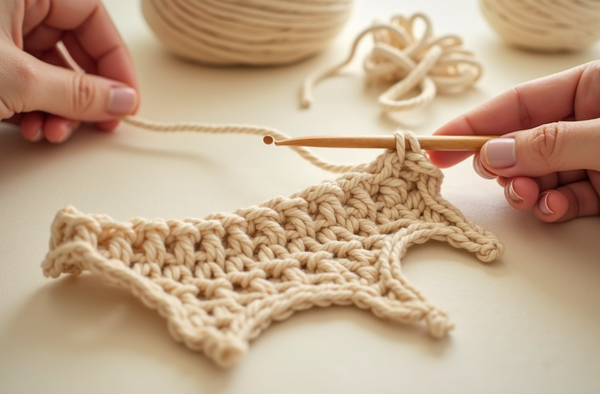
The moss stitch — also called the linen stitch or granite stitch — is one of those wonderful discoveries that makes you wonder why you weren't using it all along. It creates a tight, woven-looking fabric with gorgeous texture, and it's surprisingly simple to work once you understand the rhythm.
What is the moss stitch?
Three names, one beautiful stitch
You'll hear this stitch called several things — moss stitch, linen stitch, and granite stitch are the most common. They all refer to the same basic technique. The name "linen stitch" comes from how closely the finished fabric resembles woven linen cloth. "Granite stitch" describes the dense, pebbly texture. Whatever you call it, the result is a sturdy, structured fabric with just the right amount of drape for bags and home goods.
Unlike a basic single crochet fabric, the moss stitch has a criss-cross surface pattern created by those offset chains and single crochets. It uses slightly more yarn than plain single crochet because of the tight gauge, so keep that in mind when planning a project. If you've already tackled how to single crochet, you have every skill you need for this stitch right now.
What you need
To work the moss stitch you'll need:
- Any weight yarn (worsted is a great place to start)
- A crochet hook one size larger than the yarn label suggests — this helps keep the fabric from pulling too tight
- Scissors and a tapestry needle for finishing
Tension matters more with this stitch than with many others. If your chain stitches are tight, the fabric will pull and pucker. Aim for a relaxed, consistent tension. Not sure if your gauge is right? Check out how to get even crochet tension before you cast on.
"The moss stitch is the stitch I recommend to anyone who wants to move beyond basic single crochet — it's simple, beautiful, and instantly elevates every project."— Ava, MrsCrochetWorld
Step-by-step: how to work the moss stitch
Follow these steps and you'll have a swatch in 20 minutes
Foundation chain: Chain an odd number of stitches. The moss stitch works over a multiple of 2 plus 1, so a chain of 21 gives you a comfortable practice swatch.
Row 1 (setup): Single crochet (sc) into the second chain from the hook. *Chain 1 (ch 1), skip 1 chain, sc into the next chain.* Repeat from * to * across. Turn.
Row 2 onward: Chain 1, sc into the first chain-1 space. *Ch 1, sc into the next chain-1 space.* Repeat across, ending with sc into the turning chain space. Turn.
That's it — Row 2 is the only row you repeat for the entire rest of your project. The key is always working your single crochet into the chain-1 space from the row below, not into the top of a stitch. This is what creates the woven, offset look.
Keep going until your swatch measures the size you want, then fasten off and weave in your ends. If you need a refresher on finishing, see how to weave in ends for a clean result.
Moss stitch tips for a polished finish
A few small habits will make your moss stitch fabric look professional every time. Always count your chain-1 spaces at the end of every row — it's easy to accidentally skip the last space when you're near the edge. If you find your edges pulling in, try chaining 2 to turn instead of 1. And if the fabric feels stiff, blocking will open it up beautifully. Learn the basics in our guide to how to block crochet.
Start with a pattern that shows off this stitch
These projects are perfect for putting your new moss stitch skills to work

Granny Square Bag Pattern
Bags & AccessoriesStructured bag projects are a natural home for dense, textured stitches like the moss stitch. This tote pattern walks you through building a sturdy, stylish bag — and the techniques transfer beautifully once you're comfortable with granny squares. Great for yarn leftover from your moss stitch swatches.

9 Modern Crochet Bag Patterns Bundle
Bundle · Best ValueNine bag patterns in one PDF — a brilliant way to explore how different stitches change the look and feel of the same basic shape. Mix moss stitch sections with other textures. Browse more ideas in our bags & accessories collection.

Marigold Circle Bag Pattern
Beginner FriendlyA round tote with a relaxed, boho feel. Working in the round is a slightly different rhythm than flat moss stitch, but the skills cross over directly. Once you understand how to crochet in the round, the whole world of bag designs opens up to you.
What can you make with the moss stitch?
Six project ideas that shine in this texture
Tote bags
The firm, woven structure makes moss stitch ideal for bags that need to hold their shape. Works well in cotton or jute-blend yarn.
Scarves & cowls
The stitch creates a fabric with great drape in a lighter yarn weight. Perfect for accessories with a modern, minimalist look.
Dishcloths & placemats
Cotton moss stitch dishcloths are scrubby without being harsh. The flat, dense fabric is ideal for kitchen accessories.
Baby blankets
The slight stretchiness and even texture make this a wonderful stitch for baby items. Choose a soft merino or cotton blend.
Storage baskets
Work moss stitch in a bulky T-shirt yarn or rope yarn for rigid baskets that look like woven rattan from a distance.
Ready for more texture?
Explore our complete beginner guide and discover stitches like the waffle stitch and shell stitch next.
Moss stitch pro tips
- Go up a hook size. The dense nature of this stitch can make your gauge tighter than usual. A hook one size up from the yarn label keeps the fabric flexible and the chain spaces open.
- Count every row. It's easy to lose count of your chain-1 spaces near the edges. A quick count at the end of each row catches mistakes before they build up. Here's our guide to counting crochet stitches and rows.
- Use stitch markers on the edges. Place a marker in the first and last stitch of each row to keep your edges straight and make turning easier.
- Block your finished piece. A wet block opens up the chain spaces and evens out the texture dramatically — especially worth doing for garments and accessories.
- Try it in two colors. The moss stitch shows color changes beautifully because of its offset, woven appearance. Change color at the beginning of every two rows for a classic stripe effect. See how to change colors in crochet to get started.
- Fix mistakes early. An accidental extra or missing chain space is easy to fix in the next row if you catch it right away. For other common issues, how to fix crochet mistakes covers the most frequent problems.
Ready to make something beautiful?
Browse our free patterns and beginner-friendly designs — the moss stitch fits perfectly into any of our bag and accessory projects.
Get a free patternShop bag patternsFrequently asked questions
What is the difference between the moss stitch, linen stitch, and granite stitch?
They are all the same stitch with different names. "Linen stitch" comes from the woven look that resembles linen fabric. "Granite stitch" describes the dense, pebbly texture. "Moss stitch" is the most common name in crochet communities. All three terms refer to the same two-row repeat of single crochet and chain-1 worked into chain spaces.
Is the moss stitch good for beginners?
Yes — if you can single crochet and chain stitch, you can work the moss stitch. The two-stitch repeat is very easy to memorize, and the only new concept is remembering to insert your hook into the chain-1 space rather than the top of a stitch. Most beginners feel comfortable after just one or two practice rows.
How do I keep the edges of my moss stitch straight?
The most common cause of uneven edges is missing the very first or very last chain-1 space in a row. Place a stitch marker in the outermost chain space of each row before you turn, and always work into that marked space when you come back on the next row. Counting your spaces at the end of every row also helps.
Can I work the moss stitch in the round?
Yes, but with a small adjustment. When working in the round, you work every round the same way (sc into chain-1 space, ch 1 across) without turning. The look is slightly different from flat moss stitch because there is no offset between right-side and wrong-side rows, but it still produces a dense, even texture perfect for bags worked in the round.
What yarn is best for the moss stitch?
Cotton and cotton-blend yarns show the woven texture most crisply and are ideal for dishcloths, bags, and placemats. For scarves and cowls, a soft acrylic or wool blend gives a drapier result. Avoid very fuzzy or textured yarns like chenille for your first project — they hide the stitch detail.
How do I increase or decrease in the moss stitch?
To increase, work two sc into the same chain-1 space, then continue the pattern. To decrease, skip a chain-1 space entirely. Always adjust on the same side of the work to keep shaping symmetrical. Because increases and decreases disrupt the chain-space alignment, it is easiest to shape at the edges rather than in the middle of a row.
How much yarn does the moss stitch use compared to single crochet?
The moss stitch uses roughly the same amount of yarn as single crochet, sometimes slightly more because of the chain stitches between each sc. The difference is small and usually within the same skein allowance. When in doubt, buy one extra skein — leftovers are always useful for swatches and small projects.
What hook size should I use for the moss stitch?
As a general rule, go one hook size larger than what the yarn label recommends. The chain-1 spaces need room to sit open and flat — a hook that is too small results in tight, puckered fabric that is hard to work into. If your chain spaces look cramped after a few rows, switch to a larger hook before continuing.