Crochet Therapy: How the Rhythm of Yarn Heals Your Mind
Why a simple hook and a soft skein can lower stress, quiet racing thoughts, and give your mind a place to rest — one stitch at a time.

There is a reason so many of us reach for a crochet hook when the world gets loud. The gentle pull of yarn through your fingers, the quiet rhythm of each finished stitch, the slow growth of something beautiful from a single loop — none of that is an accident. It is exactly what an overstimulated mind is asking for.
Crochet & wellbeing research at a glance
| Large crochet survey | Happy Hookers study (Burns & Van Der Meer, Perspectives in Public Health 2021): 8,391 valid responses from 87 countries[1] |
|---|---|
| Who answered | 99.1% women; 49.5% aged 41–60[1] |
| Top reasons to crochet | to be creative (82.1%), to relax (78.5%), for a sense of accomplishment (75.2%)[1] |
| How crochet made them feel | calmer 89.5%, happier 82%, more useful 74.7% – self-reported[1] |
| Mood before vs. after | average self-rated mood rose from 4.19 before to 5.78 after crocheting[1] |
| Attention (small lab study) | after 20 minutes of crochet, experienced crocheters (41 enrolled) improved on alerting and orienting in an attention test; a control group of 12 non-crocheters who rested did not[2] |
| NHS 5 steps to mental wellbeing | learning new skills and paying attention to the present moment are two of the five steps[3] |
| What crochet is not | a medical treatment or a substitute for professional mental health care |
What the numbers mean: 89.5% of 8,391 is about 7,510 people who said crochet made them feel calmer, and the average mood score rose by 1.59 points (about 38%)[1]. Both are self-reports that show “perceived links”, as the authors put it, not proof that crochet treats an illness.
This is general information, not medical advice. If you are struggling, please talk to your doctor or a licensed mental health professional.
What is crochet therapy?
It is not just crafting — it is crafting on purpose.
Crochet therapy means using your hook deliberately as a tool for emotional wellbeing, rather than picking it up out of habit. You choose a project for how it makes you feel, notice your mood before and after, and treat your stitching time as real self-care. Occupational therapists and wellness programs use crochet too, because it pairs a soothing rhythm with a tangible, take-home result.
The research is encouraging, within limits. In a large international online survey of crocheters — the Happy Hookers study by Burns and Van Der Meer, with 8,391 valid responses — 89.5% of respondents said crochet made them feel calmer and 82% said it made them happier[1]. These are self-reports, not proof of a treatment effect. A small 2025 lab study found that experienced crocheters did better on an attention test after 20 minutes of crochet, while a control group of non-crocheters who simply rested did not[2].
Best of all, you need no experience to benefit. Our guide on how to start crochet today will have you stitching this afternoon — and if you are unsure, is crochet hard for beginners gives you an honest, reassuring answer.
Why stitching soothes your brain
Several things happen at once when you crochet. Both hands work together in a steady, coordinated pattern, which keeps the brain gently occupied and leaves far less room for rumination — the looping worry that fuels anxiety. At the same time, crochet opens a reliable doorway into the flow state: engaging enough to hold your attention, familiar enough that your conscious mind can soften. Time stretches. You are simply in the stitch.
Then there is the progress loop: every finished row delivers a small, satisfying reward — powerful on days when motivation is scarce. And yarn itself is grounding; its texture and warmth anchor your attention in the present. Many stitchers notice that the calmer they feel, the more even their stitches become — rhythm and relaxation feed each other, which is also the secret behind even crochet tension.
How to build a 15-minute crochet therapy practice
Intentionality separates a therapeutic practice from background fidgeting. Before you begin, pause for one breath and name what you need — calm, focus, or a small win. Then choose something rhythmic and achievable: a plain single crochet rectangle, a granny stripe, or a small no-sew plushie. The repetition is what makes it soothing.
Commit to about fifteen minutes a day; consistency matters far more than duration. Afterward, jot two lines about how you feel — within a few weeks you will see for yourself whether and how it helps you. When you are ready, stitch alongside others; shared crafting adds connection, one of the strongest mood buffers we have.
One honest caveat: crochet is a wonderful companion to professional mental health care, never a replacement. If you are struggling with persistent low mood or panic, please reach out to a licensed professional — and keep your hook nearby for the journey.
"You don't find calm — you make it, one gentle stitch at a time."— Ava Collins, MrsCrochetWorld
Three projects that feel like a deep breath
Simple, repetitive, and finished before frustration can creep in — these are the patterns I hand to stressed-out stitchers first.

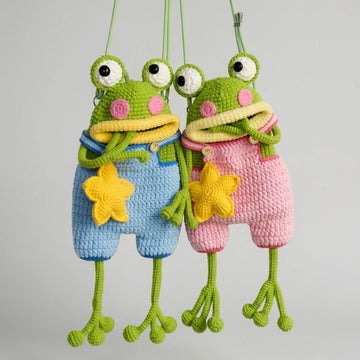
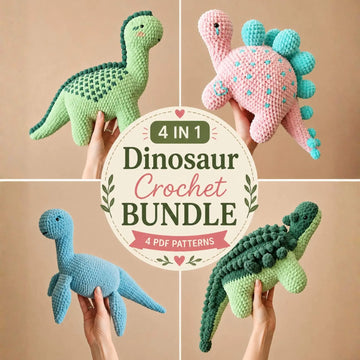
50-in-1 No-Sew Amigurumi Bundle
small wins, zero sewingTiny plushies are the perfect therapy format: compact, finishable in a sitting or two, and impossibly cheering. Every piece uses no-sew techniques, so there is no fiddly assembly at the end — just a finished friend and a well-earned glow.

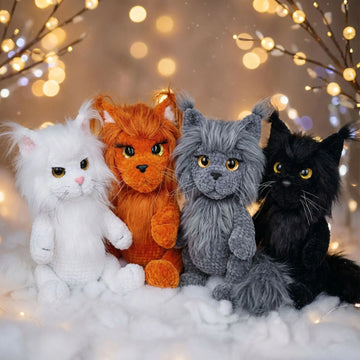
Fantasy Amigurumi Bundle — 6 Characters
imagination as medicineThere is something quietly soothing about crocheting magical little creatures — playfulness loosens a tense mind faster than almost anything. Newer to plushies? Warm up with our top 10 easy amigurumi patterns for beginners first.

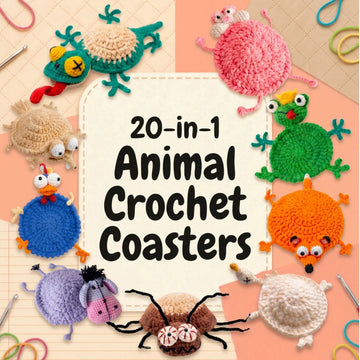
21-in-1 Animal Crochet Coasters
quick dopamineOn low-motivation days, ultra-short projects are your best friend. A coaster is done in one cozy sitting — start, stitch, finished. Pair them with one-skein crochet projects or browse our mega bundles to keep the queue full.
Six small habits that turn crochet into therapy
None of these take more than a minute — together they turn stitching from a pastime into a practice.
Begin with one breath
Pause before the first stitch and name what you need today: calm, focus, or simply a finished square.
Build a tiny ritual
Same chair, same cup of tea, same project basket. Familiar cues tell your nervous system it is safe to power down.
Keep it short and daily
Fifteen minutes a day beats a monthly marathon. Notice how many minutes it takes until you feel calmer — it differs from person to person.
Choose yarn you love to touch
Texture is grounding. A soft skein you enjoy handling anchors your senses in the present, stitch after stitch.
Notice before and after
Two lines in a notebook — mood in, mood out. Within a few weeks you will see for yourself how the hook helps you.
Brand new to crochet?
Start with our complete beginner guide to crochet — tools, first stitches, and your first project, explained gently.
Ava's gentle rules for stress-free stitching
- Stay simpler than you think you should. The moment a project frustrates you, its therapeutic value evaporates. Choose easy and let the rhythm work.
- Let mistakes be part of the practice. Pulling back a few rows is the craft breathing, not failure — our guide to fixing crochet mistakes turns every slip into a shrug.
- Mind your body, not just your mind. Relax your shoulders, keep wrists neutral, use good light, and stretch your hands regularly.
- Put the comparison feed down. Your only benchmark is how you feel before and after you stitch.
- Follow a written pattern. A clear pattern carries the decision-making load so your mind can rest — our books and patterns are written exactly for that.
- Reach out when you need more. Crochet supports professional care beautifully; it never replaces it.
Give your mind fifteen minutes of yarn
Pick a soft skein, a simple pattern, and a quiet corner — and let the rhythm do what it has always done best.
Browse relaxing patternsShop beginner patternsFrequently asked questions
What is crochet therapy?
Crochet therapy is the intentional use of crocheting as a mental wellness practice. Many crocheters find that the slow, repetitive rhythm helps them relax and quiet racing thoughts. It is self-care, not a medical treatment.
Is crochet a form of meditation?
For many people, yes. Crochet occupies the hands and eyes just enough to quiet habitual thought patterns without demanding stressful concentration, producing a relaxed, present-focused state very similar to mindfulness meditation.
Can crochet help with anxiety?
Crochet is a well-loved complementary tool for anxiety. Many crocheters find the repetitive motion relaxing, focusing on your stitches can interrupt anxious thought loops, and the feel of yarn gives your senses something to hold on to. Pair it with professional support when anxiety is severe.
Can crochet help with low mood or depression?
Gently, yes. Visible progress delivers small, steady feelings of reward and accomplishment, which can help re-engage motivation on hard days. Pair it with professional care if low mood persists.
How long should I crochet each day to feel a benefit?
About fifteen minutes a day is a wonderful target. Consistency matters more than duration, and it is worth noticing how quickly you personally start to feel calmer.
What are the best crochet projects for relaxation?
Projects that combine repetition with achievability: a plain single crochet rectangle, a granny stripe, small no-sew amigurumi, or quick animal coasters. Repetition invites flow, and finishing delivers the reward.
Can crochet replace professional therapy?
No. Crochet is a powerful complement to professional mental health care, not a substitute. If you experience persistent sadness, panic attacks, trauma symptoms, or thoughts of self-harm, please contact a licensed professional or crisis helpline right away.
Does crochet lower stress hormones?
The crochet studies cited in this article did not measure stress hormones such as cortisol, so we can't promise that effect. The large Happy Hookers survey measured how people feel: 89.5% of 8,391 respondents said crochet made them feel calmer and 82% said it made them happier.
Is crochet therapy suitable for complete beginners?
Yes. You don't need any experience to start, and you can learn the chain and single crochet in an afternoon. Simple first projects are ideal, because the gentle repetition is where the calm comes from.
Why does crochet feel so calming?
Both hands move in a steady rhythm, the predictable pattern quiets mental chatter, the texture of yarn grounds your senses in the present, and each finished row provides a small reward. Together, that is why so many crocheters describe crochet as calming.
Related guides
Sources
- Burns & Van Der Meer, Perspectives in Public Health 141(3), 2021: Happy Hookers – findings from an international study exploring the effects of crochet on wellbeing (survey of 8,391 crocheters, abstract), checked 21 Nov 2026
- Rossi Sebastiano et al., Scientific Reports 2025: Crochet increases attention through a requiring motor skill learning (small lab study, full text), checked 21 Nov 2026
- NHS: 5 steps to mental wellbeing (learning new skills, mindfulness, connecting with others), checked 21 Nov 2026
Keep reading
Hand-picked guides from our crochet blog that go with this one.

Crochet & ADHD: Why Your Brain Loves the Hook
If you have ADHD and you've ever picked up a crochet hook, you already know something magical happens. Crochet and ADHD turn …
Read the guide →
Crochet for Holiday Stress: A Calm, Cozy Routine for a Busy Season
A gentle, non-medical guide to crochet for holiday stress: a short, cozy routine with quick ornament projects, a seven-step …
Read the guide →
Crochet for Self Care: How a Simple Yarn Ritual Helps You Slow Down
If your days feel loud and your evenings feel rushed, a small hook and a ball of yarn can become a quiet anchor you actually …
Read the guide →