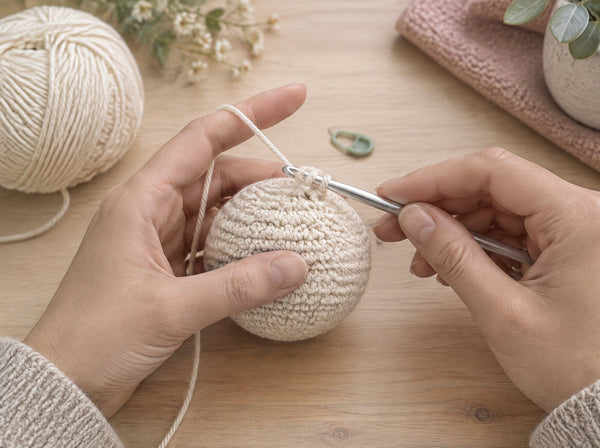
Woman crocheting amigurumi in warm golden light – crochet therapy for mental health by MrsCrochetWorld

Crochet Therapy: How the Rhythm of Yarn Heals Your Mind

Woman crocheting amigurumi in warm golden light – crochet therapy for mental health by MrsCrochetWorld

Crochet Therapy: How the Rhythm of Yarn Heals Your Mind

⚡ Quick Answer Crochet therapy uses the repetitive, rhythmic motion of crocheting to reduce cortisol levels, quiet the mind, and build emotional resilience. Studies show it lowers anxiety, improves focus, and creates a meditative state comparable to mindfulness practice — accessible to anyone with a hook and yarn.

There's a reason millions of people reach for their crochet hook when the world feels overwhelming. The gentle pull of yarn through your fingers, the satisfying click of each completed stitch, the slow but visible growth of something beautiful from nothing — these aren't just pleasant side effects. They're the foundation of what mental health professionals are increasingly calling crochet therapy.

Whether you're managing daily stress, navigating anxiety, processing grief, or simply looking for a way to quiet your racing mind, crochet offers something rare in our hyper-stimulated world: a path back to calm that fits in your bag and costs less than a therapy session.

In this guide, we'll explore the science behind crochet therapy, the mental health conditions it can support, how to build a practice that actually works, and which projects give you the fastest therapeutic payoff. Let's stitch our way to wellbeing.

What Is Crochet Therapy? (Definition + Science)

Crochet therapy is the intentional, structured use of crocheting as a tool to support mental health, emotional regulation, and psychological wellbeing. Unlike casual crafting — which you might pick up out of boredom or habit — crochet therapy involves conscious awareness of how the craft affects your mood, thoughts, and nervous system.

It can be practiced independently as a self-care ritual, facilitated by occupational therapists or mental health professionals in group or one-on-one settings, or integrated into broader wellness routines alongside meditation, journaling, or conventional therapy.

The Science Is Catching Up to What Hookers Always Knew

For years, the therapeutic benefits of crochet were largely anecdotal — something grandmother whispered over her yarn basket. But over the past decade, researchers have begun to substantiate what millions of crafters have always felt in their fingertips.

A landmark 2020 study published in BMC Psychiatry, known informally as the Happy Hookers study, surveyed 3,545 crocheters worldwide. The findings were striking: 89% of respondents reported that crochet made them feel calm and happy, 82% said it helped them cope with stress, and 78% said it improved their concentration. The study concluded that knitting and crochet are associated with significant emotional and social wellbeing benefits.

More recently, a 2025 study published in Scientific Reports found that crochet significantly increases sustained attention — the ability to stay focused on a task over time — an effect that holds even for beginners. Researchers noted that the dual engagement of hands and mind creates a unique attentional state that buffers against distraction and rumination.

Researchers at Henry Ford Health have also documented that repetitive crafting activities — including crochet — measurably reduce cortisol levels, the primary stress hormone. When cortisol drops, the body's fight-or-flight response quiets, the heart rate slows, and the prefrontal cortex (responsible for rational thinking) becomes more accessible again.

In short: crochet isn't just a hobby. For many people, it's a genuine mental health intervention.

Why Does Crochet Work as Therapy? The Neuroscience

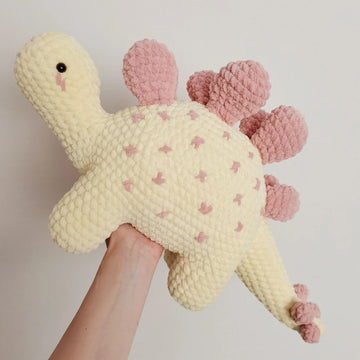
No-Sew Amigurumi Bundle by MrsCrochetWorld – perfect for crochet therapy beginners

Understanding why crochet works therapeutically requires a brief tour of the brain. Several interconnected neurological mechanisms are at play whenever you pick up a hook.

1. Bilateral Stimulation

Crochet involves alternating, coordinated movements of both hands — a phenomenon known as bilateral stimulation. This is the same principle that underlies Eye Movement Desensitization and Reprocessing (EMDR), a well-established trauma therapy. Bilateral stimulation appears to help the brain process difficult emotions and memories, reducing their emotional charge over time. While crochet is not EMDR, it activates similar cross-hemispheric communication that can ease emotional distress.

2. The Flow State

Hungarian psychologist Mihaly Csikszentmihalyi coined the term flow state to describe a state of complete absorption in a challenging-but-manageable task. Crochet is uniquely suited to inducing flow: the work is complex enough to require attention, but repetitive enough that the conscious mind can partially disengage — allowing you to enter a deeply relaxed, focused state. Time seems to slow. Worries recede. You are simply in the stitch.

3. Dopamine and the Progress Loop

Each completed row, each finished round, each new stitch you learn triggers a micro-release of dopamine — the brain's reward neurotransmitter. This creates a positive feedback loop: progress feels good, so you keep going. For people experiencing depression, where motivation and reward processing are often blunted, this gentle, consistent dopamine stimulation can help re-engage the brain's reward circuits.

4. Sensory Grounding Through Yarn

The tactile experience of working with yarn — its texture, weight, warmth, and resistance — provides powerful sensory input that anchors you to the present moment. This is a form of grounding, a technique widely used in trauma therapy and anxiety management to interrupt dissociation or panic by redirecting attention to physical sensory experience. Soft merino wool, fuzzy mohair, or the smooth pull of cotton — each yarn has its own grounding character.

Crochet Therapy vs. Other Wellness Practices

Practice Skill Required Portable Social Option Tangible Result Cost
Crochet Therapy Beginner-friendly ✅ Yes ✅ Yes (groups) ✅ Yes (finished item) $–$$
Meditation Requires practice ✅ Yes ⚠️ Limited ❌ No Free–$$
Journaling Literacy required ✅ Yes ❌ Usually solo ⚠️ Written record $
Yoga Moderate ⚠️ Space needed ✅ Yes (classes) ❌ No $–$$$
Art Therapy Varies ⚠️ Supplies ✅ Yes ✅ Yes $$–$$$

What Mental Health Conditions Can Crochet Help With?

⚠️ Important Disclaimer: Crochet therapy is a powerful complementary wellness practice. It is NOT a replacement for professional mental health treatment, medication, or clinical therapy. If you are experiencing severe depression, suicidal thoughts, or a mental health crisis, please reach out to a licensed professional or contact a crisis helpline immediately.

With that essential caveat in place, here's how crochet can meaningfully support a range of mental health challenges when used alongside appropriate professional care:

Anxiety and Panic

Anxiety is characterized by a hyperactive nervous system — racing thoughts, physical tension, and the constant anticipation of threat. Crochet addresses this on multiple levels: the rhythmic motion activates the parasympathetic nervous system (rest-and-digest), the focused attention interrupts ruminative thought patterns, and the sensory grounding of yarn helps anchor a dysregulated nervous system back to the present moment.

Many people report that working through a difficult stitch or pattern gives their anxious mind something constructive to "chew on" — redirecting anxious energy into creative problem-solving rather than catastrophizing.

Depression

One of depression's cruelest features is anhedonia — the inability to feel pleasure or motivation. The dopamine loop created by visible crochet progress can help gently re-engage the brain's reward system. Moreover, behavioral activation — engaging in structured, goal-oriented activities even when motivation is absent — is a cornerstone of Cognitive Behavioral Therapy (CBT) for depression. Crochet is a perfect behavioral activation tool: it's low-barrier, immediately accessible, and produces visible results.

PTSD and Trauma

For trauma survivors, crochet offers two key therapeutic elements: safe focus (something to attend to other than intrusive memories) and grounding (tactile sensory experience that anchors attention to the present). The bilateral hand movements may also offer some of the neural processing benefits associated with EMDR. Trauma-informed therapists increasingly incorporate crafting into their practices for exactly these reasons.

Grief and Loss

Grief often leaves us with an aching need to do something — to honor, to process, to create — while simultaneously robbing us of energy and motivation. Crochet provides a productive ritual: a way to channel the formless energy of grief into something tangible. Making something in memory of a loved one, or simply keeping your hands busy while your heart heals, can be profoundly comforting. Many hospice and bereavement programs now incorporate crafting as a grief support tool.

Loneliness and Social Isolation

While crochet can certainly be a solitary practice, it's also a gateway to vibrant community. Online groups, local yarn cafes, Ravelry forums, and Instagram crafting communities connect millions of crocheters worldwide. Social connection is one of the most powerful buffers against mental health challenges, and shared crafting creates a natural context for bonding — something to do together when words feel hard.

How to Start Your Crochet Therapy Practice

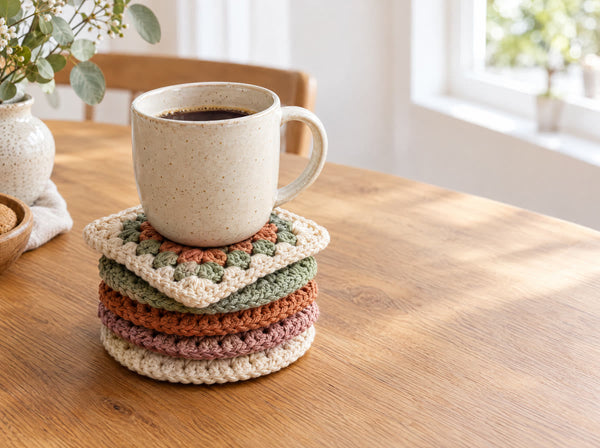
MrsCrochetWorld amigurumi pattern – mindful crochet therapy project

The difference between picking up your hook casually and practicing crochet therapeutically often comes down to intentionality. Here's how to build a practice that genuinely supports your mental health:

  1. Set Your Intention Before You Begin
    Before your first stitch, pause for 30 seconds. Ask yourself: What do I need from this session? Calm? Focus? A sense of accomplishment? Simply naming your intention shifts crochet from unconscious habit to purposeful practice.
  2. Choose a Simple, Repetitive Project
    This is not the time for intricate lacework or complex color-work. Choose something rhythmic and achievable: a basic granny square, a moss stitch scarf, or a simple amigurumi body. The repetition is the medicine. Let your hands do what they know.
  3. Commit to Just 15 Minutes
    Research on habit formation and mindfulness both point to the same truth: consistency matters more than duration. A daily 15-minute crochet session delivers more therapeutic benefit than a sporadic 2-hour marathon. Set a timer if it helps. Show up every day.
  4. Journal Briefly Afterward
    After your session, take 2–3 minutes to jot down how you feel. Note your mood before and after. Over time, this creates a powerful evidence base for your own wellbeing — and reinforces the connection between crochet and positive emotional states.
  5. Go Social (When You're Ready)
    Join a local stitch circle, an online group, or a Craftsy class. Shared crafting adds the layer of social connection that amplifies the individual benefits. You don't have to talk about your mental health — just show up and stitch alongside others.

Best Crochet Projects for Therapeutic Benefits

Not all crochet projects are created equal when it comes to therapeutic value. The best projects balance achievability (so you finish and get that dopamine hit) with repetition (so the meditative rhythm kicks in). Here are our top picks:

🧸 Amigurumi — Small Wins, Big Feelings

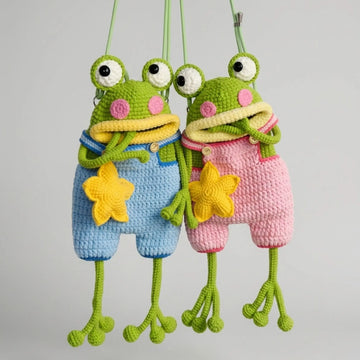
Amigurumi — the art of crocheting small stuffed figures — is perhaps the single best therapeutic crochet format. Projects are compact, often completable in one or two sittings, and produce an irresistibly adorable finished object. The immediate sense of completion delivers a powerful dopamine reward, and the playful subject matter (animals, fantasy creatures, food characters) encourages a lightness of spirit.

Our 50-in-1 No-Sew Amigurumi Bundle is designed precisely for this purpose — 50 beginner-to-intermediate patterns, no sewing required, with clear step-by-step instructions. Perfect for your therapy toolkit.

🌀 Repetitive Stitch Patterns — Enter the Flow

The moss stitch, waffle stitch, and granny stripe are all highly repetitive once you've memorized the sequence. This repetition is exactly what you want for therapeutic purposes: the pattern becomes automatic, your conscious mind quiets, and you enter the flow state. These stitches work beautifully for scarves, dishcloths, baby blankets, and pillow covers.

🧶 Fantasy Amigurumi — Imagination as Medicine

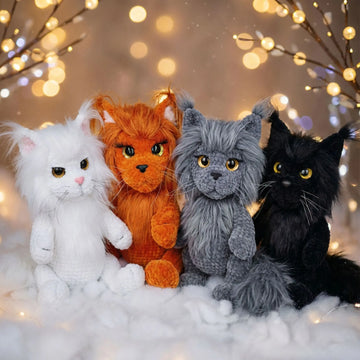
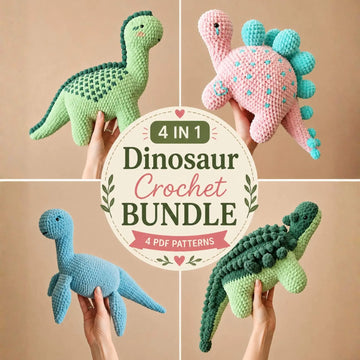
There's something uniquely healing about creating magical creatures. Dragons, unicorns, fairies — fantasy amigurumi invites your imagination to play, which is itself a therapeutic act. Our 6-in-1 Fantasy Amigurumi Bundle offers six enchanting patterns to fuel your creative healing.

🪨 Animal Coasters — 15-Minute Dopamine Boost

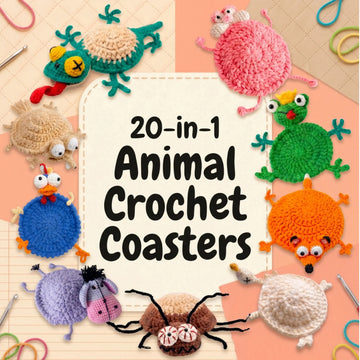
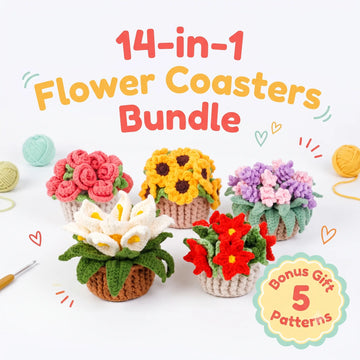
If you're struggling with low motivation or depression, ultra-short projects are your best friend. Our 20-in-1 Animal Crochet Coasters Bundle lets you complete a finished, functional object in 15–20 minutes. That rapid reward cycle is incredibly powerful for rebuilding a sense of agency and accomplishment.

💡 Expert Tip — From Mrs. CrochetWorld

"When I'm at my most anxious, I reach for the simplest possible project — often just a plain single-crochet rectangle in a yarn I love the feel of. I'm not trying to make anything impressive. I'm just trying to breathe, one stitch at a time. The project doesn't matter. The practice does." — MrsCrochetWorld

Can Crochet Replace Professional Therapy?

We want to be unambiguous here: No. Crochet therapy cannot and should not replace professional mental health treatment.

This is not a limitation of crochet — it's a limitation of all self-care practices, no matter how well-evidenced. Mental health conditions are complex, often involving neurobiological, genetic, relational, and situational factors that require skilled professional assessment and intervention.

Crochet is a powerful complement to professional care — not a substitute. Think of it the way you'd think of regular exercise: extraordinarily beneficial, well-supported by research, a meaningful part of a healthy lifestyle — but not something you'd rely on instead of insulin for diabetes or antibiotics for pneumonia.

When to Seek Professional Help

Please reach out to a licensed mental health professional if you are experiencing:

  • Persistent sadness or hopelessness lasting more than two weeks
  • Thoughts of self-harm or suicide
  • Panic attacks that interfere with daily functioning
  • Trauma symptoms (flashbacks, nightmares, severe avoidance)
  • Substance use as a coping mechanism
  • Any mental health symptoms that significantly impair your relationships, work, or daily life

Crochet as Part of a Holistic Wellness Plan

The most effective approach treats crochet therapy as one strand in a broader web of support. Combined with:

  • Cognitive Behavioral Therapy (CBT) — crochet reinforces behavioral activation and present-moment awareness
  • Mindfulness meditation — both practices develop the same attentional muscles
  • Regular exercise — movement and crafting together powerfully regulate the nervous system
  • Social connection — crochet communities provide belonging and purpose
  • Adequate sleep and nutrition — the foundation everything else rests on

Crochet doesn't compete with therapy. It makes therapy work better.

Common Mistakes When Using Crochet for Mental Health

Even the most beneficial practice can be undermined by how we approach it. Watch out for these common pitfalls:

❌ Choosing Projects That Are Too Complex

The biggest mistake beginners make is starting with an ambitious project that quickly becomes a source of frustration rather than calm. When crochet creates stress rather than relieving it, you've lost the therapeutic plot. Start simple. Stay simple longer than you think you need to.

❌ Comparing Yourself to Others Online

Instagram and Pinterest are full of breathtaking crochet work — and that's wonderful. But if scrolling through other people's flawless finished objects leaves you feeling inadequate, step away from the feed. Your practice is yours. The only benchmark that matters is how you feel before and after you crochet.

❌ Skipping a Pattern (and Giving Up)

Trying to wing it without a pattern when you're a beginner almost always leads to frustration and abandonment. A clear, well-written pattern is therapeutic infrastructure — it holds the decision-making load so your mind can rest. Explore our full crochet books and patterns collection for beginner-friendly options.

❌ Treating Crochet as a Solitary Shame Practice

If you're crocheting in secret, feeling embarrassed about your hobby, or hiding your craft from others, the emotional underpinnings of shame can undermine the therapeutic benefits. Crochet is creative, productive, and scientifically supported. Own it proudly. Share your projects. Find your community.

❌ Ignoring Physical Posture and Ergonomics

Crocheting with poor posture — hunched over, wrists bent at awkward angles, neck strained forward — can create physical tension that contradicts the mental relaxation you're seeking. Invest in good lighting, take regular breaks, stretch your hands and wrists, and crochet with your body as well as your mind.

Frequently Asked Questions About Crochet Therapy

What is crochet therapy?

Crochet therapy is the intentional use of crocheting as a mental health and wellness practice. It leverages the repetitive, rhythmic movements of crocheting to reduce stress hormones, quiet the mind, and support emotional regulation. It can be practiced independently or facilitated by occupational therapists and mental health professionals.

Is crochet meditative?

Yes — for many practitioners, crochet produces a state remarkably similar to meditation. The focused, repetitive motion occupies enough of the conscious mind to quiet habitual thought patterns, while not demanding so much attention that it becomes stressful. Many experienced crocheters describe entering a deeply peaceful, present-focused state during their practice.

Can crochet help with anxiety?

Research and widespread anecdotal evidence both support crochet's effectiveness for anxiety management. The repetitive motion activates the parasympathetic nervous system (calming the fight-or-flight response), while the focused attention interrupts ruminative, anxious thought loops. The tactile experience of yarn also provides sensory grounding that can interrupt anxiety or panic.

How long should I crochet for mental health benefits?

Even 15 minutes of daily crocheting can produce measurable mood benefits. The key is consistency rather than duration. Many practitioners report that the therapeutic state — relaxed focus, quieted mind — typically kicks in after 5–10 minutes of repetitive stitching. Longer sessions (30–60 minutes) can deepen the benefits, but daily 15-minute sessions will outperform occasional marathons.

What projects are best for crochet therapy?

The best therapeutic projects combine repetition (to induce the flow state) with achievability (to deliver the dopamine reward of completion). We recommend: simple amigurumi (small, completable, immediately rewarding), repetitive stitch patterns like moss or waffle stitch, and ultra-short projects like coasters for particularly difficult days. Start simple and stay in the rhythm.

Can crochet help with ADHD?

Many people with ADHD report that crochet helps them sustain focus and manage restlessness. The physical engagement of the hands provides a productive outlet for the need to fidget, while the pattern provides structured cognitive engagement. The 2025 Scientific Reports study specifically found crochet improves sustained attention — a core challenge for those with ADHD. That said, ADHD is a medical condition and should be managed with appropriate professional support.

Is crochet therapy evidence-based?

A growing body of research supports the mental health benefits of crochet. Key studies include the 2020 BMC Psychiatry "Happy Hookers" study (3,545 participants, 89% reported improved mood), a 2025 Scientific Reports study on crochet and sustained attention, and Henry Ford Health research on cortisol reduction through repetitive crafting. The evidence base is still developing, but the existing research is consistently positive.

Can beginners use crochet for stress relief?

Absolutely. In fact, the learning process itself — mastering a new skill, overcoming small challenges, experiencing the satisfaction of a first finished project — is inherently therapeutic. Choose a beginner-friendly pattern, use a comfortable hook size and yarn weight, and focus on the experience rather than the outcome. The benefits begin with your very first stitch.

What yarn is best for a calming experience?

For therapeutic purposes, prioritize yarn that feels good in your hands. Soft merino wool and bamboo blends offer luxurious tactile comfort. Cotton provides a smooth, cool feel ideal for warm environments. Avoid scratchy or splitty yarns that require constant attention to manage. Medium weight (worsted/aran) yarns are easiest to see and handle. Choose a color that feels calming to you — soft neutrals, dusty roses, sage greens — not just what the pattern calls for.

Is crochet good for grief?

Yes — many grief counselors and bereavement programs incorporate crafting for exactly this reason. Grief creates a powerful need to do something with intense emotion, while simultaneously depleting energy. Crochet offers a low-energy, productive ritual that channels emotional energy into creation. Making something in memory of a loved one, or simply keeping hands occupied during the hardest hours, can be profoundly comforting.

Can crochet replace medication or therapy?

No. Crochet is a powerful complementary wellness practice, not a clinical treatment. It cannot replace prescribed medication, professional therapy, or medical care. If you are experiencing significant mental health symptoms, please consult a licensed mental health professional. Crochet works best as one supportive strand within a broader care plan.

Where can I find beginner crochet therapy patterns?

MrsCrochetWorld offers a curated collection of therapeutic-friendly patterns perfect for beginners. Our 50-in-1 No-Sew Amigurumi Bundle is a great starting point — 50 patterns with clear instructions, no complicated sewing required. Our full pattern collection includes options for every skill level and therapeutic need.

Start Your Crochet Therapy Journey Today 🧶✨

You don't need experience. You don't need special equipment. You just need a hook, some yarn, and the willingness to show up for yourself — one stitch at a time.

MrsCrochetWorld's beginner-friendly patterns are designed to give you quick wins, beautiful results, and the meditative rhythm your mind is craving.

🧸 Shop the No-Sew Bundle 🪨 Animal Coasters (15-min projects) 📚 Browse All Patterns

This article is for informational purposes only and does not constitute medical or psychological advice. If you are experiencing a mental health crisis, please contact a licensed professional or crisis helpline in your country.

Back to blog
Ava — MrsCrochetWorld, founder of MrsCrochetWorld

Written by

Ava — MrsCrochetWorld

Hi, I’m Ava — the designer, tester and one-woman team behind MrsCrochetWorld. Every pattern here is hand-designed, hooked and written by me, so beginners and pros alike can crochet with confidence.

Read Ava’s story →