There's a certain softness that arrives a few minutes into a row of stitches. Your shoulders ease down from your ears. Your breathing slows. The noise of the day fades into the quiet, warm space between your hands. That feeling is the whole heart of crochet for relaxation: using the gentle, repeating motion of hook and yarn to help you unwind, slow down, and simply feel calmer.
Relaxing doesn't have to mean doing nothing. For a lot of people, the fastest route to calm is a comforting activity for the hands — something cozy, repetitive, and low-pressure. Crochet fits that perfectly. It gives you a soft rhythm to sink into, a pleasant texture to focus on, and a gentle sense of progress, all without demanding much of your tired brain. This guide walks through why crochet is so relaxing, how to set up a genuinely calming session, the best relaxing projects to start with, and how to build a cozy crochet ritual that fits real, busy life.
Why Crochet Is So Relaxing

If you've ever felt yourself unwind while crocheting, you already know the effect is real. But it helps to understand why it works, because that understanding lets you set up your sessions to be even more calming. Relaxation with crochet comes from a few simple, overlapping qualities working together.
A Repetitive, Predictable Rhythm
The core of crochet is a small cycle repeated over and over: insert the hook, wrap the yarn, pull it through. That gentle predictability is deeply soothing. A restless mind and a keyed-up body tend to calm down when they're offered a steady, non-threatening pattern to follow. There's nothing to brace for, nothing to solve — just the same comforting motion, again and again.
A Pleasant Task for Busy Hands
When we try to "just relax," many of us end up fidgeting or reaching for our phones. Crochet gives restless hands a satisfying job to do. That physical engagement keeps you comfortably occupied, so relaxing doesn't feel like forcing yourself to sit still and do nothing — which, for a lot of people, is surprisingly hard.
A Gentle Anchor for a Racing Mind
One of the most tiring parts of a stressful day is a mind that won't stop churning. Crochet gives that busy mind a soft, harmless place to rest: the feel of the yarn, the count of the stitches, the small resistance as the hook catches a loop. Instead of spiraling, your attention settles onto the quiet task in front of you. You're not fighting your thoughts — you're simply giving them somewhere calmer to land.
Small, Satisfying Progress
Watching a project slowly grow row by row offers a quiet, low-pressure sense of accomplishment. In a life full of unfinished tasks and open loops, seeing something take shape in your hands is genuinely comforting. That gentle reward keeps the whole experience feeling good, which makes it easy to come back tomorrow.
Setting Up a Genuinely Calming Session

A relaxing crochet session doesn't happen by accident — a little intention makes a big difference. The good news is that setting the stage is simple, and once you've done it a few times, it becomes second nature. Here's how to turn "some crocheting" into a genuinely soothing wind-down.
Choose a Familiar, Low-Stakes Project
Relaxation and difficulty don't mix well. A complicated pattern that makes you stop and re-read every few stitches keeps your mind alert and working, which is the opposite of unwinding. For a calming session, pick something you can do mostly by feel: a simple repeated stitch, a project you've done before, or a beginner-friendly pattern with an easy rhythm.
Create a Cozy Corner
Your surroundings shape how you feel. A supportive chair, good light, a soft blanket over your knees, and your project within easy reach all quietly tell your body it's safe to slow down. You don't need a dedicated craft room — just a comfy, inviting spot you return to often enough that simply sitting there starts to feel calming.
Lower the Distractions
Notifications, a cluttered table, or a mentally "loud" environment can keep pulling your attention away from the calm. Put your phone across the room, tidy your immediate space, and — if something's nagging at you — jot it down on paper so your mind can let it go for now. The fewer things tugging at you, the deeper your relaxation can go.
Match Your Breathing to Your Stitches
Once you've settled into a rhythm, try gently slowing your breath to match your stitching pace. Slow, easy breathing is one of the simplest, most portable ways to help your body relax, and pairing it with the steady motion of crochet turns your session into a soft, moving wind-down.
The Best Relaxing Crochet Projects

Not every project relaxes you equally. The ones that work best for unwinding share a few traits: a steady, repeatable rhythm, quick visible progress, forgiving construction, and low stakes if you slip up. Here's how common project types compare for a relaxing session.
| Project Type | Relaxation Fit | Why It Works |
|---|---|---|
| Small no-sew amigurumi | ⭐⭐⭐⭐⭐ Excellent | Continuous rounds, quick finish, no stressful assembly |
| Granny squares | ⭐⭐⭐⭐⭐ Excellent | Modular, endlessly repeatable, deeply rhythmic |
| Simple crochet flowers | ⭐⭐⭐⭐⭐ Excellent | Short, repetitive petals; satisfying quick wins |
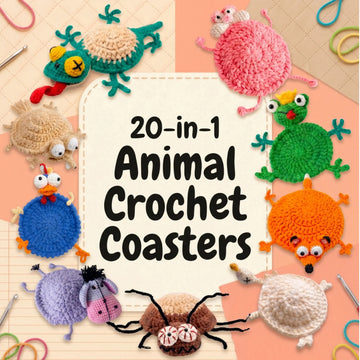
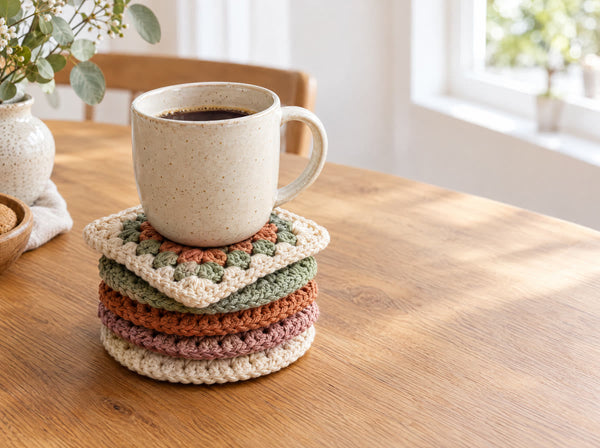
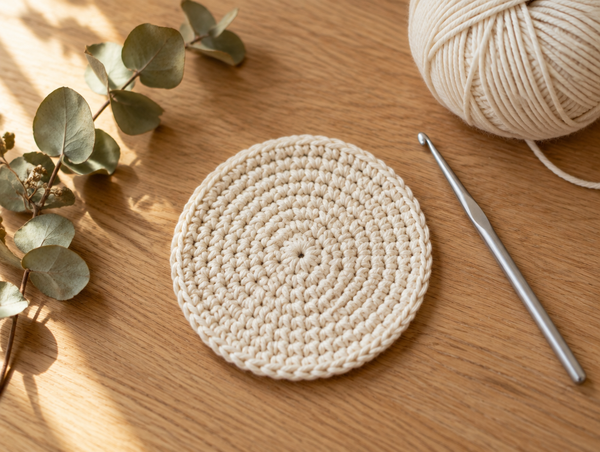
| Coasters & small motifs | ⭐⭐⭐⭐ Great | 30–45 minute projects, useful and calming |
| Simple scarves / long rows | ⭐⭐⭐⭐ Great | Pure rhythm, no shaping, meditative repetition |
| Complex colorwork garments | ⭐⭐ Moderate | Higher mental load can interrupt the calm |
| Intricate lace patterns | ⭐ Low | Demands constant focus; better when already relaxed |
Why No-Sew Amigurumi Is So Relaxing
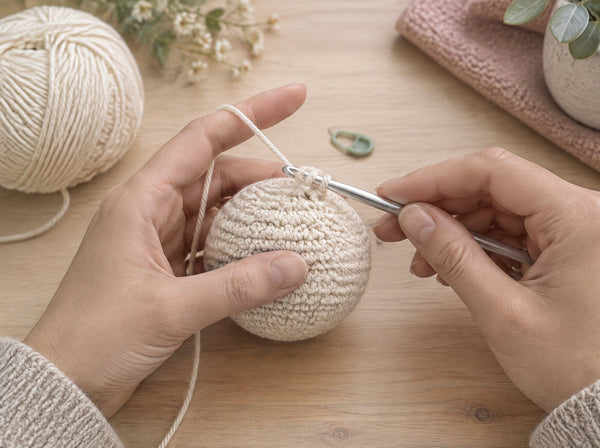
Traditional amigurumi ends with sewing several parts together — and that fiddly finishing step can inject a little spike of pressure right when you wanted to stay calm. No-sew patterns skip this entirely by working the whole piece in continuous rounds. You finish each session with something visually complete and no stressful assembly. That smooth, uninterrupted rhythm is exactly what a relaxing practice thrives on.
Start Small and Stay Easy
If relaxing crochet is new to you, resist the urge to pick your most ambitious project. Begin with something small and repetitive that you can do mostly by feel. The simpler the stitch, the faster you'll melt into that easy, unhurried state — and the more likely you are to reach for your hook again tomorrow.

Building a Cozy Crochet Relaxation Ritual
A single relaxing session feels lovely, but the real benefit comes when crochet becomes a gentle, recurring part of your day. You don't need a rigid schedule — you need small, low-friction habits that make it easy to reach for your hook whenever you want a moment of calm.
Anchor It to Something You Already Do
The easiest way to build a ritual is to attach it to an existing habit. Crochet with your morning coffee. Stitch a few rows while your evening tea steeps. Pick up your hook the moment you sit down after dinner. By linking your relaxing crochet to an anchor you already have, you skip the hardest part — remembering and deciding — and let the habit carry itself.
Make the Evening Wind-Down Your Own
Crochet shines as an end-of-day ritual. Stepping away from screens, softening the lights, and settling in with a few slow rows can gently signal to your body that the day is winding down. Many people find this cozy transition helps them shift out of "doing" mode and into rest — a soothing habit that complements good sleep hygiene rather than replacing it.
Keep It Guilt-Free
Relaxing crochet works best when it's free of pressure. Let go of "I should finish this by Friday." There's no productivity quota on calm. Some days you'll stitch for forty minutes; some days for four. Both are complete. The moment crochet starts to feel like another obligation, it stops being relaxing — so protect its gentleness fiercely.
Let Small Finishes Reward You
Completing something small — a little amigurumi, a coaster, a single flower — gives a quiet, satisfying sense of closure. In a life full of open loops and unfinished tasks, that small "done" is genuinely soothing. Building your ritual around small, completable projects means you get to feel that gentle reward often, which keeps the whole practice inviting.

Engaging the Senses: Yarn, Color & Sound
Because relaxing crochet is so deeply sensory, the materials and environment you choose have a real effect on how calming it feels. A little intention here goes a surprisingly long way.
Texture: Choose Yarn That Feels Good
Your fingers are in constant contact with the yarn, so its texture matters. Soft, smooth cotton or a gentle acrylic offers a consistently pleasant tactile experience that supports the calming effect. Scratchy or splitty yarn, by contrast, creates tiny moments of friction that pull you out of the flow. For dedicated relaxation sessions, treat yourself to yarn that genuinely feels lovely in your hands.
Color: Set the Mood
Color quietly influences how we feel. Soft, muted tones — sage, dusty lavender, warm cream, gentle blush — tend to feel soothing and are wonderful for calming sessions. Brighter, cheerful colors can lift your energy when you want a more playful, upbeat kind of relaxation. Choosing your palette on purpose turns even picking your yarn into a small act of self-care.
Sound: Build a Calm Soundscape
The audio around you shapes the experience. For deeper relaxation, try gentle instrumental music, soft ambient sound, nature recordings, or simply quiet. A gripping podcast or dramatic show is perfectly fine for a light, easygoing session — just know that the more your attention is pulled elsewhere, the less deeply restful the session tends to feel.
Scent & Light: The Finishing Touches
A softly scented candle, warm low lighting, and a cozy blanket complete the sensory picture. These small comforts help your body recognize that it's safe to slow down. Over time, this combination of cues becomes its own gentle trigger: sit in your calm corner, light the candle, pick up the hook — and relaxation opens up almost on its own.
When Crochet Doesn't Feel Relaxing
Sometimes you sit down to unwind and crochet feels frustrating instead of soothing. That's completely normal, and it usually comes down to a few fixable causes. Here's how to gently get back to calm.
The Project Is Too Hard
If you keep stopping to re-read instructions or fix mistakes, your mind stays alert and working — the opposite of relaxed. The fix is simple: switch to an easier, more familiar project for your calming sessions and save the ambitious pattern for when you have fresh energy and focus.
You're Chasing a Deadline
Trying to finish a gift by a certain date turns a soothing hobby into a pressured task. For relaxation, deliberately set the deadline aside. Remind yourself that this session is about the stitching itself, not about finishing. The calm returns almost immediately once the pressure lifts.
Your Body Is Uncomfortable
Tension in your hands, shoulders, or neck can quietly undermine the calm. Check your posture, loosen your grip, and take short breaks to stretch your fingers and roll your shoulders. A comfortable, ergonomic hook and a supportive chair make longer sessions far kinder to your body.
Let Mistakes Be Gentle Resets
A dropped stitch or a miscount isn't a failure of your relaxation — it's just part of the craft. Choosing forgiving patterns and soft yarn means unraveling a few stitches feels like a small, calm reset rather than a frustration. Letting go of perfection is one of the most relaxing habits a crocheter can build.
Ready to Start Your Cozy Crochet Wind-Down?
Explore soft, beginner-friendly patterns designed for calm, repetitive, low-pressure stitching — perfect for building your relaxing crochet ritual.
Browse MrsCrochetWorld Patterns →Frequently Asked Questions
Is crochet actually relaxing?
For many people, yes. The gentle, repetitive motion of crochet gives your hands a soothing task and your mind a soft place to rest. The steady rhythm, the tactile feel of the yarn, and the quiet counting of stitches all tend to feel calming. It's a hobby and a cozy self-care ritual rather than a medical treatment, but the unwinding effect is very real for those who practice it regularly.
How does crochet help you relax?
Crochet helps you relax by combining three things: a repetitive, predictable motion, a pleasant tactile sensation, and a gentle focus that occupies a busy mind. Instead of spiraling through worries, your attention settles onto the yarn and the next stitch. Slowing your breath to match your stitching pace adds to the calming feeling. Over time, simply picking up your hook can become a cue for your body to slow down.
What is the most relaxing crochet project for beginners?
The most relaxing beginner projects are small and repetitive with quick, satisfying progress: simple no-sew amigurumi worked in continuous rounds, granny squares, easy crochet flowers, or coasters. These let you settle into a steady rhythm without complex shaping or stressful assembly, so you can unwind rather than concentrate hard on tricky instructions.
How is crochet for relaxation different from crochet for stress relief?
They overlap a lot. Stress relief tends to focus on actively lowering built-up tension after a hard day. Relaxation is a little broader — it's about gently unwinding, slowing down, and creating a calm, cozy mood, whether or not you feel stressed. In practice, a relaxing crochet session often delivers stress relief as a natural bonus.
Do I need to be experienced to relax with crochet?
Not at all. In fact, simple beginner stitches are often the most relaxing, because an easy, repeatable rhythm helps you settle quickly. You don't need perfect tension or advanced skills. You only need a stitch you can repeat comfortably and the willingness to slow down and enjoy the process rather than rush to finish.
How long should a relaxing crochet session be?
There's no required length. Even ten to fifteen minutes of slow, easy stitching can help you unwind. Many people enjoy a longer session of twenty to forty minutes in the evening, but short, regular moments with your hook are just as valuable. Consistency and a relaxed, pressure-free attitude matter far more than how long you stitch.
Can crochet help me wind down before bed?
Many crocheters use a short, slow session as an evening wind-down ritual. Stepping away from screens, softening the lights, and stitching a few gentle rows can help signal to your body that the day is ending. Treat it as a soothing habit that complements good sleep hygiene, not as a medical remedy for sleep problems.
What kind of yarn is best for relaxing crochet?
Because relaxing crochet is so tactile, soft, smooth yarn that feels pleasant in your hands is ideal — a gentle cotton or a soft acrylic works beautifully. Scratchy or splitty yarn can create little moments of friction that pull you out of the calm. Many people also gravitate toward soothing, muted colors for their relaxing sessions, though any yarn you enjoy holding is a fine place to start.
What if I keep making mistakes — doesn't that ruin the calm?
Mistakes are a normal part of relaxing crochet, not a failure. Noticing a dropped stitch, pausing, and calmly unraveling back a few stitches can itself be a gentle, grounding moment. Choosing forgiving patterns and soft yarn makes this easier, so a slip feels like a small reset rather than a frustration. Letting go of perfection is part of what makes crochet so relaxing.
Can I relax with crochet while watching TV?
Absolutely. If your main goal is simply to unwind, pairing an easy, familiar project with a gentle show is a perfectly cozy way to relax. Just pick a pattern simple enough that you don't have to keep pausing to read instructions. If you want a deeper, quieter kind of calm, try swapping the TV for soft music or ambient sound for part of your session.
Is crochet for relaxation suitable for anxious or busy minds?
Many people with busy, restless minds find relaxing crochet a welcoming ritual, because it gives the hands something to do while gently occupying the part of the mind that tends to race. It's a supportive wellness habit and a community-loved way to slow down — but it isn't a treatment for clinical conditions. If anxiety significantly affects your daily life, please seek professional support alongside any calming hobby.
Do I need a special setup to make crochet relaxing?
No special setup is required, but a few cozy touches help. A comfortable chair, good light, a soft blanket, and your current project kept within easy reach make it far more likely you'll actually sit down and unwind. Some people add a candle, warm tea, or gentle music to create a calm-corner cue that tells the body it's time to slow down.
Can crochet be part of a broader self-care routine?
Definitely. Relaxing crochet pairs beautifully with other gentle self-care habits like a warm drink, soft lighting, a short walk earlier in the day, or quiet time away from screens. Think of it as one cozy, reliable tool in your wind-down toolkit — a comforting ritual you can return to whenever you need to slow down and feel a little more at ease.
Summary: Unwind, One Cozy Stitch at a Time
Crochet for relaxation turns something you may already love into a gentle, reliable way to slow down and feel calmer. You don't need a quiet retreat, special equipment, or years of practice. You need soft yarn, a comfortable hook, a repeatable stitch, and permission to enjoy the process without rushing toward the finish.
Set the stage with a familiar project and a cozy corner. Lower the distractions, let your breath slow to match your stitches, and choose small, forgiving projects that give you quick, satisfying wins. Build a low-pressure ritual you actually look forward to — and when a session turns tense, meet yourself gently, reset, and let go of perfection. Above all, remember the goal isn't a flawless finished object; it's the calm, cozy minutes you spend making it.
When you're ready to begin, a set of small, repetitive patterns is the easiest on-ramp. The 50-in-1 No-Sew Amigurumi Bundle and the beginner-friendly Easy No-Sew Amigurumi for Beginners book from MrsCrochetWorld are both wonderful, low-pressure places to start your relaxing crochet ritual. Wishing you many calm, cozy stitches ahead.