- What a crochet digital detox actually is
- Why crochet works better than willpower
- The swap method: replace, don’t restrict
- Your first screen-free crochet hour
- A gentle 7-day detox plan
- The best projects for a phone-free session
- Building a detox-friendly crochet corner
- Five mistakes that end a detox early
- Frequently asked questions
You already know the feeling. You sat down to rest for ten minutes, you reached for your phone out of pure habit, and somehow forty-five minutes disappeared. You aren’t any more rested than when you started — if anything, you feel a bit more frayed. And the part that stings is that you didn’t even choose it. Your hand just went there.
At Mrs Crochet World, we design beginner-friendly amigurumi and crochet PDF patterns, and this is easily one of the most common things we hear from our community: people don’t want another app telling them to use apps less. They want something genuinely nicer to do instead. That’s what a crochet digital detox is — not a punishment, not a ban, just swapping passive scrolling for something your hands can hold. Below you’ll find a realistic method, a gentle seven-day plan, and the specific project types that make a screen-free hour feel easy rather than effortful.
One honest note before we start: this article is about everyday habits and comfort, not health treatment. We don’t make medical claims and we won’t quote studies at you. What we can talk about is what crafters consistently tell us and what we notice ourselves — that when your hands are occupied with yarn, reaching for a phone simply stops being the path of least resistance.
What is a crochet digital detox?
A crochet digital detox is a deliberate block of time — often just twenty minutes to an hour — where you set your devices aside and crochet instead. That’s the whole definition. It isn’t a weekend retreat, a full social media deletion, or a rule you have to keep forever. It’s one repeatable window in your day where your phone is face down and your hook is in your hand.
The word “detox” makes it sound dramatic, so it helps to reframe it. You’re not detoxing from something toxic. You’re simply giving your attention a different place to go. Most failed screen-time plans fail for the same reason: they subtract the scrolling but never add anything in its place, leaving a restless gap that the phone rushes back in to fill. Crochet fills that gap with an actual activity.

Why crochet works better than willpower
Willpower-based screen rules ask you to want something less. That’s a hard job to hold all evening. Crochet takes a different route entirely: it makes picking up the phone physically inconvenient. Both of your hands are busy. There’s a hook in one, working yarn tensioned across the other, and a half-finished round you’d rather not drop. Checking a notification suddenly costs something.
There’s a second reason it holds up. Scrolling gives you constant novelty with nothing to show for it, and that mismatch is part of why it leaves you flat. Crochet gives you slow, visible progress. After twenty minutes there is a real object in your lap that did not exist before — a few rounds of a bear’s head, half a coaster, a growing chain. That small, tangible result is quietly satisfying in a way an hour of feed refreshing rarely is.
And crucially, crochet is portable and pausable. You can put it down mid-round and come back. It doesn’t demand a perfect ninety-minute block of silence. That flexibility is exactly what makes it survivable on an ordinary weekday.
The swap method: replace, don’t restrict
The single most useful principle here is replace, don’t restrict. Instead of deciding “no phone after 8pm,” decide “from 8pm I’m working on my bear.” The first is a prohibition you have to defend all evening. The second is just a plan for what you’re doing.
To make the swap stick, identify your two or three most automatic scroll moments. For most people they cluster in predictable places: the first ten minutes on the sofa after work, the stretch while dinner is in the oven, and the long slide before bed. You don’t need to fix all of them. Pick one, and give that one slot to crochet.
| Scroll moment | What it usually becomes | Crochet swap that fits |
|---|---|---|
| First 10 minutes on the sofa | A 45-minute feed session | One round of a simple amigurumi body |
| Waiting for dinner to cook | Standing scroll in the kitchen | A few rows of a coaster or square |
| Adverts during a show | Second-screening the whole episode | A no-count chain or plain rows |
| The hour before bed | Late-night doom scroll | Slow, soft-lit rounds on a small project |
| Commuting or waiting rooms | Filler scrolling | A pocket-sized keychain make |
Notice that none of these require you to give up your phone. They just occupy the moment your phone would otherwise claim by default. That’s a far lower bar — and a much more durable one.
A gentle note: if you crochet while watching a show, that’s still a win. A detox doesn’t have to mean total silence. Moving from two screens down to one, with your hands busy, is real progress.
Your first screen-free crochet hour
Here’s a simple structure for a first session. It’s built to be forgiving — no timer pressure, no target row count, nothing to fail at.
- Decide the window (1 minute). Choose a specific slot, like “after dinner until the kettle goes cold.” A fuzzy “later tonight” rarely happens.
- Park the phone out of arm’s reach (1 minute). Face down, on silent, in another room or on a shelf. Out of reach beats out of sight — the tiny bit of friction is the whole point.
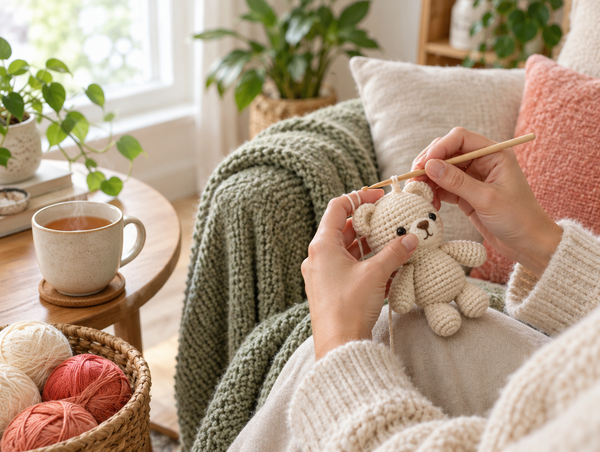
- Set up your spot (2 minutes). A comfortable chair, warm lamp light rather than harsh overheads, a drink within reach, and your project basket beside you.
- Start with something you’ve done before (5 minutes). Do not open a brand-new complicated pattern on detox night. Work a stitch your hands already know so you can settle rather than concentrate.
- Find the rhythm (30–40 minutes). Work at an easy pace. When your hand drifts phone-ward — and it will — just notice it and go back to the yarn. No self-criticism required.
- Close it properly (5 minutes). Put a stitch marker in, set the project in its basket, and look at what you made. That closing glance is what makes you want to come back tomorrow.
If you get restless around the ten-minute mark, that’s completely normal and not a sign it isn’t working. The itch to check something usually passes within a couple of minutes once your hands are genuinely occupied. Background sound helps enormously here — rain, a quiet playlist, or an audiobook keeps the room from feeling too empty without pulling your eyes anywhere.

A gentle 7-day crochet detox plan
You don’t need to overhaul your week. This plan grows slowly on purpose, because detoxes that start at two hours a night tend to end by Wednesday.
Days 1–2: Twenty minutes, one slot
Pick a single daily window and crochet for twenty minutes with your phone out of reach. That’s the entire assignment. Keep the project familiar and easy.
Days 3–4: Add the wind-down
Move your session into the hour before bed and switch to warmer, softer lighting. Keep the stitches simple so the evening stays calm rather than fiddly.
Days 5–6: Take it portable
Put a small project in your bag. Use it once during a wait you’d normally fill with scrolling — a queue, a commute, a slow appointment.
Day 7: Take the long one
Give yourself one unhurried stretch, an hour or more, with no screens at all. By now the routine will feel less like a rule and more like something you look forward to.
At the end of the week, don’t grade yourself. Just notice two things: which slot felt easiest, and which project you actually reached for. Those two answers are your real routine — keep them and drop the rest.
The best crochet projects for a phone-free session
Project choice matters far more than people expect. A pattern that demands constant counting or frequent checking sends you straight back to your screen to re-read instructions, which defeats the purpose entirely. For detox sessions, look for projects that are repetitive, forgiving, and small enough to finish.
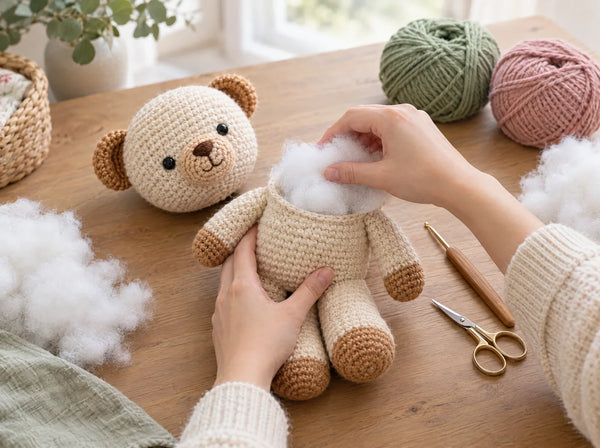
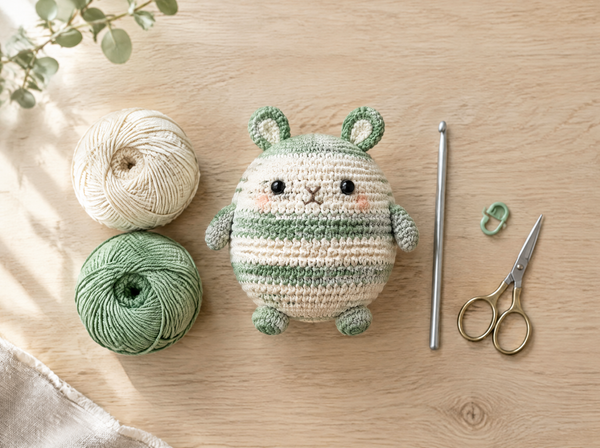
- Small amigurumi worked in the round. Continuous spirals give you long, soothing stretches of the same stitch, and you end up with a finished little character.
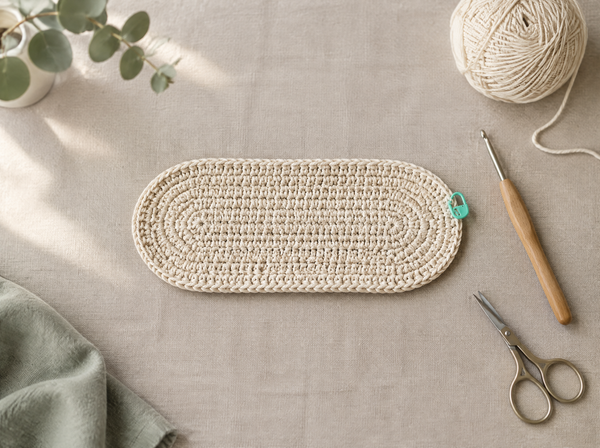
- Coasters and granny squares. Short, predictable, and genuinely satisfying to complete in one sitting — ideal for building the habit early on.
- Keychains and pocket-sized charms. Perfect for the portable stage of the week, since they fit in a bag and survive being started and stopped.
- Long chains, cords, and garlands. Almost no thinking required. Excellent for evenings when you’re too tired to follow anything at all.
- Plain rows on a simple blanket. A long-running project you can pick up mid-row without ever needing to find your place.
What to avoid on detox night: intricate colourwork, garment shaping, anything with a deadline, and any pattern you haven’t read through yet. Save those for your focused daytime crochet. If you’re still choosing your materials, our guide to the best yarn for amigurumi covers which fibres feel most pleasant to work with for long, relaxed sessions.

5-in-1 Animal Crochet Coaster Pattern Bundle
Quick, flat, endlessly repeatable makes you can finish in a single screen-free evening — the easiest way to start the habit.
See the coaster bundle →
Building a detox-friendly crochet corner
Habits are far easier to keep when they have a physical home. You don’t need a dedicated craft room — one chair you associate with slowing down is enough. Over a couple of weeks, simply sitting there starts to act as a cue.
Three details do most of the work. First, keep your detox project visible and ready to go, because a project buried in a cupboard is a project you won’t start. Second, sort out the lighting: a warm side lamp is far kinder at night than a bright ceiling light. Third, give your phone a parking spot that isn’t the arm of your chair — a shelf across the room, or a drawer.
It also helps to keep this project separate from any crochet with a deadline. Gift makes and orders carry their own quiet pressure, and pressure is the fastest way to turn a restful hour into another task. Your detox project should be the one you can work badly, slowly, or barely at all without it mattering.
Five mistakes that end a detox early
Most crochet detoxes don’t collapse for lack of motivation. They collapse for small, fixable reasons.
- Starting too ambitiously. Two phone-free hours a night is not a starting point, it’s an end point. Begin with twenty minutes.
- Choosing a hard pattern. If you need to re-read instructions every few rounds, you’ll pick up a screen to do it. Use something familiar.
- Keeping the phone within reach. Face down on the sofa beside you is not out of reach. Give it an actual parking spot.
- Treating a missed day as a failure. You’re building a habit, not a streak. Skipping Tuesday means nothing; just do Wednesday.
- Making it a productivity project. The moment you start tracking rows per evening, it becomes work. The point is that nothing is being measured.
If you’re brand new to the craft entirely, start even smaller than this guide suggests. Our beginner plushie guide walks through the basics at a gentle pace, and our cozy self-care ritual guide pairs naturally with a screen-free evening routine.

50-in-1 No-Sew Amigurumi Bundle
Fifty beginner-friendly makes worked mostly in soothing spirals, so there’s always a simple, low-pressure project waiting in your basket.
Explore the bundle →Keeping it going after week one
The version of this habit that lasts is almost always smaller than the version people plan. Once the first week is done, resist the urge to scale up. Protect one reliable slot instead — the one that felt easiest — and let everything else stay flexible.
It also helps to always have the next project chosen before you finish the current one. The most common way a crochet detox quietly fades is finishing a piece on a Sunday and having nothing ready by Wednesday. A bundle with several small patterns in it solves this neatly, because the next make is already sitting there waiting.
And be generous with what counts. Ten minutes with your hook on a chaotic day is still ten minutes you didn’t spend scrolling. A detox isn’t a performance — it’s just a slightly better default, chosen often enough to become normal.
Frequently asked questions
What is a crochet digital detox?
A crochet digital detox is a set block of time — usually twenty minutes to an hour — where you put your devices out of reach and crochet instead. It isn’t about deleting apps or quitting the internet. It simply replaces passive scrolling with an activity that keeps your hands and attention genuinely occupied.
How long should a crochet digital detox session be?
Start with twenty minutes a day. That’s long enough to settle into a rhythm and short enough that you’ll actually do it. Once the habit feels natural, many people extend to forty-five minutes or an hour, especially in the evening. There’s no correct number — consistency matters far more than duration.
Do I need to be good at crochet to try this?
No. A detox session works best with simple, repetitive stitches you don’t have to think about, so beginners are well suited to it. A basic single crochet, a plain chain, or a small piece worked in the round is ideal. If a pattern requires concentration, it’s the wrong project for a detox night.
Which crochet projects are best for a screen-free session?
Choose repetitive, forgiving projects: small amigurumi in the round, coasters, granny squares, keychains, long chains, or plain rows on a simple blanket. Avoid intricate colourwork, garment shaping, and anything with a deadline, since those tend to send you back to a screen to check instructions.
Can I still watch TV while I crochet?
Yes, and it still counts. Going from scrolling on your phone while a show plays down to just watching the show with your hands busy is real progress. If you’d like a deeper version later, try swapping the screen for an audiobook, a podcast, or quiet background music.
What do I do when I get the urge to check my phone?
Expect it, especially in the first ten minutes. The urge usually passes within a minute or two once your hands are genuinely occupied. Keeping the phone physically out of arm’s reach helps more than anything, because the small amount of effort required is often enough to stop the automatic reach.
Where should I put my phone during a session?
Somewhere that requires standing up: a shelf across the room, a drawer, or another room entirely. Face down on the sofa cushion beside you is too easy to reach. If you’re expecting an important call, leave the ringer on but keep the device out of sight so notifications don’t pull your eyes.
Will a crochet digital detox help me relax?
Many crafters describe crochet as a soothing, absorbing way to spend an evening, much like a warm drink or a quiet walk. We can’t promise specific outcomes and this isn’t a treatment for anything. What we can say is that it gives your attention somewhere pleasant to go, which is what most people are really looking for.
Is a crochet detox good before bed?
A slow, screen-free crochet session can be a lovely part of an evening wind-down. Keep the lighting warm, the project simple, and the pace unhurried. If a pattern starts to feel fiddly or frustrating, switch to something plainer or set it down for the night — the goal is ease, not output.
What supplies do I need to start?
One hook and one ball of soft yarn is genuinely enough. Over time you might add a small project basket, a comfortable chair, and a warm lamp, but none of that is required to begin tonight. Pick a yarn that feels pleasant in your hands, since texture is a big part of what makes the session enjoyable.
What if I miss a day or two?
Nothing happens. You’re building a habit, not maintaining a streak, and treating a skipped day as failure is one of the fastest ways to abandon the whole thing. Pick your project back up whenever you next have twenty quiet minutes. The routine is there to serve you, not the other way round.
Is crochet a replacement for professional support?
No. Crochet is a gentle, enjoyable hobby, not a medical treatment, and a digital detox routine is not health advice. If you’re struggling with your wellbeing or your relationship with screens feels genuinely out of your control, please speak to a qualified professional. A crochet routine can sit alongside proper support — never instead of it.
Ready to give your evenings something better to hold?
Browse our beginner-friendly amigurumi and crochet pattern collection and pick one simple, low-pressure project to keep beside your favorite chair.
Shop crochet patterns →