This article is for informational and creative inspiration purposes only. Crochet is a wonderful hobby — not a medical treatment. If you are experiencing mental health challenges, please reach out to a qualified healthcare professional.
Ask any longtime crocheter what their hook means to them, and you'll rarely hear "just a hobby." You'll hear words like calm, focus, joy, and my therapy. There's something about the soft drag of yarn through fingers and the gentle rhythm of stitch after stitch that quiets the noise of a busy day. In this article, we'll explore the mental health benefits of crochet — what makers around the world really experience, what early research suggests, and how you can build a cozy creative practice that supports your wellbeing.
Featured Snippet: What are the mental health benefits of crochet?
Crocheters frequently report reduced stress, improved mood, better focus, and a sense of accomplishment. The repetitive hand motions can feel meditative, the finished projects provide visible progress, and sharing handmade gifts strengthens social bonds. While crochet is not a medical treatment, many makers describe it as a gentle, accessible self-care ritual that fits into everyday life.
Why Crochet Feels So Good
Crochet sits at the lovely intersection of movement, focus, and creativity. Your hands stay busy, your eyes follow the work, and your mind has just enough to do — counting stitches, tracking a pattern, choosing the next color — without being overwhelmed. This balance is sometimes called a "flow state," and it's the same gentle absorption you might feel while baking, gardening, or walking a familiar trail.
Unlike scrolling, which leaves us strangely tired, crochet leaves most makers feeling refreshed and a little proud. Even ten minutes can shift the day.
The Rhythm of Repetition
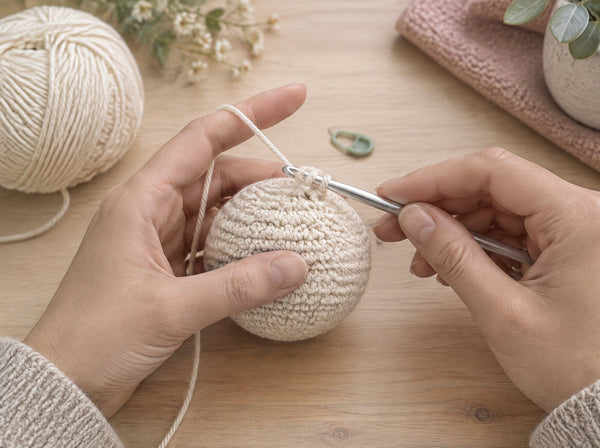
The same motion, again and again. Yarn over, pull through. Yarn over, pull through. That gentle repetition is part of what makes crochet so soothing. Repetitive motor activities have long been associated with relaxation responses — think of knitting in waiting rooms, beading on porches, or whittling by a fire.
Tangible Progress
So much of modern life is invisible. Emails, meetings, notifications. Crochet is the opposite: you can literally see how far you've come. Row by row, the project grows under your hands. That visible progress is deeply satisfying to the brain.
What Makers Really Experience
When we asked our community what crochet has done for them, the answers were beautifully consistent:
- "It calms my racing thoughts." Many makers describe crochet as a way to slow a busy mind without forcing themselves to "do nothing."
- "It helps me sit with my family." Crochet pairs perfectly with movie nights, podcasts, or conversation — present, but gently occupied.
- "It makes me feel useful." Finishing a blanket, a plushie, or a small gift creates a quiet sense of accomplishment.
- "It's my permission to rest." For people who struggle to sit still, having a project in hand gives them a reason to slow down.
- "It connects me to people I love." Handmade gifts carry meaning that store-bought items rarely do.
What the Research Gently Suggests
Researchers are still in the early stages of studying craft activities like crochet, but small studies and surveys offer encouraging hints. Crafters often report lower self-reported stress, improved mood, and a stronger sense of identity and purpose when they engage in regular creative practice. Some studies of repetitive crafting suggest associations with calmer breathing patterns and reduced rumination.
None of this means crochet replaces therapy, medication, or professional care. It does suggest, though, that a regular creative ritual can be a meaningful supportive practice alongside other forms of care.
How to Build a Cozy Crochet Wellness Ritual
1. Choose Easy, Forgiving Projects
When the goal is wellbeing rather than performance, simple is best. Plushies, granny squares, washcloths, and small amigurumi let your hands move without high-stakes counting. Our 50-in-1 No-Sew Amigurumi Bundle is a beautiful place to start — no sewing means no fiddly assembly, just stitching and joy.
2. Make It a Sensory Experience
Light a candle. Brew tea. Wrap up in a soft blanket. Let crochet be a full sensory ritual, not just a task. The cozier the setting, the more your nervous system can settle.
3. Pair It With Something Gentle
Crochet pairs wonderfully with audiobooks, slow music, a favorite show, or quiet company. Choose something that won't pull all your attention — the goal is gentle accompaniment, not multitasking.
4. Keep Sessions Short and Kind
You don't need an hour. Ten or fifteen minutes is plenty. Small, consistent sessions build the habit and the calm.
5. Forgive Your Stitches
Wonky stitches are part of the practice. Crochet for wellbeing is not about perfection — it's about presence.
Best Beginner Projects for Mental Wellbeing
- No-sew amigurumi — minimal assembly, maximum cuteness
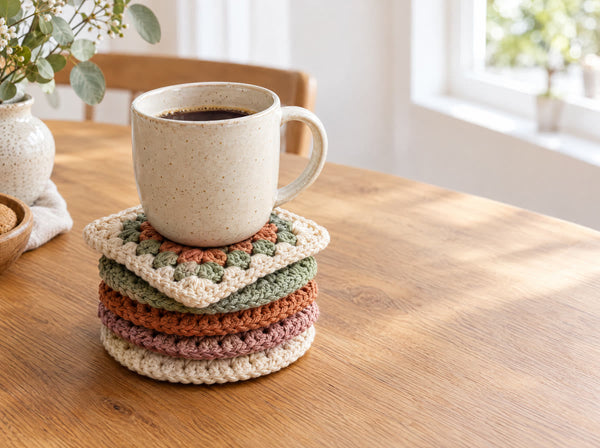
- Granny squares — endlessly meditative
- Washcloths and dishcloths — quick wins
- Simple scarves — gentle, rhythmic rows
- Mini plushies — fast finishes, big smiles
If you love characters as much as we do, our Care Bears collection is full of nostalgic, heartwarming patterns that double as little hugs.
When Crochet Helps Most
During Stressful Seasons
Deadlines, travel, big life transitions — a small project in your bag can be a steady, portable comfort. Read more in our companion piece on crochet for stress relief.
In the Evenings
Trading scrolling for stitching, even for part of the evening, can help signal to your body that the day is winding down.
In Quiet Company
Crocheting alongside a friend, partner, or family member creates a soft, shared space — no pressure to talk, no pressure to perform.
A Gentle Word of Caution
Crochet is wonderful, but it isn't a substitute for professional support. If you're struggling, please reach out to a qualified mental health professional, a trusted physician, or a local helpline. Your wellbeing matters far more than any finished project.
Frequently Asked Questions
1. Can crochet really help with anxiety?
Many makers report feeling calmer when they crochet, and the repetitive motion can support a relaxation response. It's a lovely complementary practice, but it isn't a clinical treatment. Always consult a qualified professional for clinical concerns.
2. How long should I crochet to feel the benefits?
Even 10 to 15 minutes can shift your mood. Consistency matters more than length. A short daily ritual often works better than occasional long sessions.
3. I'm a beginner — will I still feel the benefits?
Yes. Beginners often experience the strongest "flow" feelings because every stitch is a small victory. Start with forgiving projects and simple patterns.
4. What's the best project for relaxation?
Anything repetitive and low-stakes: granny squares, simple scarves, washcloths, or no-sew amigurumi. Our 50-in-1 No-Sew Bundle is a favorite.
5. Can crochet replace therapy or medication?
No. Crochet is a creative hobby that supports wellbeing. It is not a substitute for professional mental health care. Please reach out to a qualified provider if you need support.
Ready to Stitch a Calmer Day?
If this article inspired you, pick up your hook, put on something gentle, and try just one row. Then maybe one more. That's how a wellness ritual begins — softly, lovingly, one stitch at a time. Browse our 50-in-1 No-Sew Amigurumi Bundle or fall into nostalgia with our Care Bears patterns — every project is designed to be cozy, beginner-friendly, and full of heart.
Related guide: crochet community and connection.