This article is for informational and creative inspiration purposes only. Crochet is a wonderful hobby — not a medical treatment. If you are experiencing mental health challenges, please reach out to a qualified healthcare professional.
You sit down after a long day. Your shoulders are up around your ears, your mind is still replaying the inbox, and the to-do list refuses to be quiet. You reach for your hook. A few stitches in, your breath softens. By the end of the row, your shoulders drop. This is crochet for stress relief — and it's one of the simplest, coziest self-care practices a person can keep close at hand.
Featured Snippet: Why does crochet help relieve stress?
Crochet helps relieve stress because it combines gentle repetitive motion, focused attention, and visible progress. The rhythm of hook and yarn engages the body and mind just enough to interrupt anxious loops, encourage calmer breathing, and create a soothing flow state. While it's not a medical treatment, many makers describe crochet as a portable, beautifully grounding daily ritual.
The Magic of Rhythm: Why Hook and Yarn Calm the Mind
Humans have always reached for rhythm when they need to settle. We rock babies, sway to music, tap our feet, knead bread. Crochet taps into the same ancient comfort. Each stitch is a small, predictable motion — and predictability is deeply reassuring to a stressed nervous system.
As your hands move, your breath often syncs without you noticing. The world narrows to the loop on your hook. The endless mental tabs your brain has open all day quietly start closing.
Movement Without Effort
Crochet gives your body something to do that doesn't require energy or stamina. You don't need to change clothes, leave the house, or "find motivation." You just pick up the hook. That low barrier makes it one of the most accessible forms of gentle self-soothing.
Focus Without Pressure
Unlike work tasks, crochet has no deadline. Mistakes can be unstitched. Counting stitches gives the mind something concrete to hold without being overwhelming. This is focused rest, and it's surprisingly rare in modern life.
What's Actually Happening While You Stitch
While no two nervous systems are alike, many crocheters describe a similar pattern when they stitch regularly:
- Breathing slows and deepens
- Shoulders and jaw soften
- Anxious thoughts get quieter or more distant
- A gentle sense of warmth and accomplishment emerges
- Time feels slower in a good way
You can read more about the broader emotional benefits in our companion article on the mental health benefits of crochet.
Best Crochet Projects for Stress Relief
1. Repetitive, Low-Counting Projects
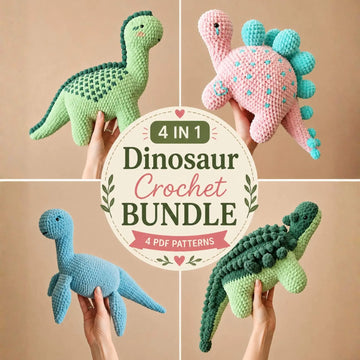
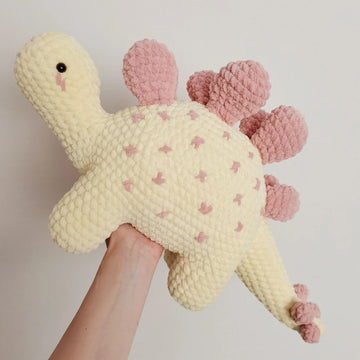
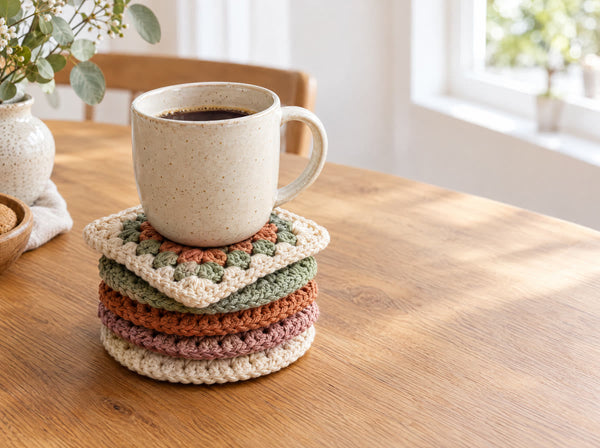
When the goal is to destress, choose projects where you don't have to constantly check a pattern. Granny squares, simple plushies, washcloths, and basic scarves are perfect. Our 50-in-1 No-Sew Amigurumi Bundle is full of beginner-friendly designs that need no sewing — just stitching, stuffing, and smiling.
2. Soft, Beautiful Yarn
The texture in your hands matters. Cozy, smooth, slightly fuzzy yarns in calming colors can turn a project into a full sensory experience. Don't underestimate the power of nice yarn.
3. Familiar Patterns You've Done Before
For stress relief, repeating a beloved pattern is sometimes more soothing than starting something new. Many makers keep a "comfort project" on hand for hard days.
4. Tiny, Quick Finishes
Small projects you can finish in one evening offer instant satisfaction. Mini plushies, ornaments, and keychains are perfect.
5. Nostalgic Characters
If you grew up loving certain characters, working on them brings a special warmth. Our Care Bears collection is full of cuddly, retro-cute patterns that are practically a hug.
Building an Evening Crochet Ritual
The most calming crochet practices are the ones that become predictable. Your nervous system loves rhythm. Here's how to build a cozy evening wind-down:
Step 1: Set the Scene
Dim the harsh overhead lights. Light a candle or turn on a soft lamp. Maybe brew tea. Tell your body, we're going into rest mode now.
Step 2: Choose Your Project
Have a "stress-relief project" already started and easy to grab. Decision fatigue is the enemy of rest.
Step 3: Pair With Gentle Sound
Slow music, an audiobook, ambient sound, or a familiar show. Avoid anything emotionally intense.
Step 4: Stitch for 15–30 Minutes
You don't need a marathon session. Even a quarter of an hour is enough to shift gears.
Step 5: Notice How You Feel
Before bed, check in with yourself. Calmer? Softer? Even a little? That's the ritual working.
Carry-Along Crochet for Stressful Days
One of crochet's hidden superpowers is portability. Tuck a small project in your bag and you have a built-in calm button for waiting rooms, commutes, travel days, or any moment that starts to feel like too much. A few stitches before a meeting or after a hard phone call can genuinely shift your day.
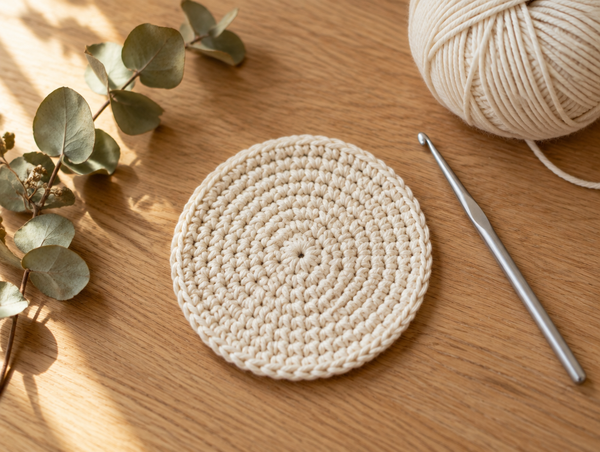
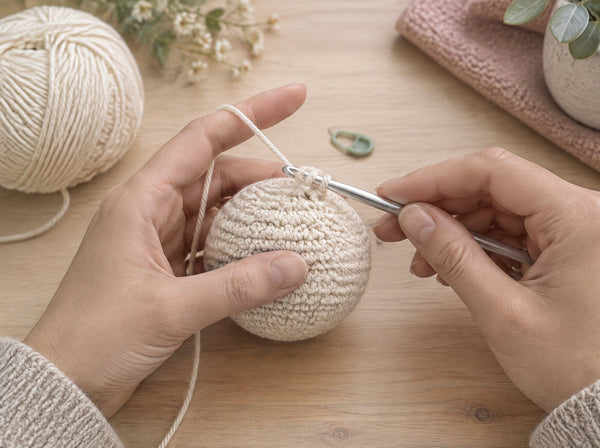
A travel-friendly crochet kit doesn't need much: one project bag, one ball of yarn, your hook, a small pair of scissors or yarn snips, and a stitch marker or two. That's it. With this tiny kit, you carry a portable piece of calm wherever you go — the airport, the school pickup line, the hospital waiting room, a long car ride. Many makers describe the simple act of knowing their project is in the bag as already soothing, long before they even pull it out.
Pocket Projects for Anxious Moments
If you struggle with anxiety in public spaces, small projects like mini amigurumi heads, granny squares, or simple flowers are wonderful companions. They fit in a pocket, take little visual focus, and give your hands something gentle to do when your mind feels noisy. Some makers even keep a tiny fidget project in a pouch on their keychain — a permanent, portable comfort that travels through every day with them.
When Crochet Helps, and When to Seek More Support
Crochet is wonderful for everyday stress, gentle anxiety, restlessness, and overstimulation. But persistent or overwhelming stress, anxiety, or low mood deserves real support. Please reach out to a qualified professional if you need more than a cozy hobby can offer. Crochet sits beautifully alongside professional care — never in place of it.
Tips for Stress-Free Stitching
- Don't compare your work to anyone else's — especially online
- Lower your standards on purpose for relaxation projects
- Frog (undo) without guilt if something isn't working
- Take breaks for your hands — stretch your fingers and wrists every 20 minutes
- Stay hydrated and watch your posture
- Make it social — or solitary — based on what you need
Frequently Asked Questions
1. How quickly will crochet help me feel less stressed?
Many makers feel a shift within 10 to 20 minutes. The more often you stitch, the easier it becomes to slip into that calmer state.
2. What if I'm a complete beginner — will it still help?
Yes! Beginners often experience the strongest sense of accomplishment because every new stitch is a small win. Start with very simple, forgiving projects.
3. Is amigurumi or blanket-making better for stress?
It depends on your personality. Blankets offer endless meditative repetition; amigurumi offers fast finishes and cute results. Try both and see which soothes you more.
4. Can I crochet too much?
Yes — hands, wrists, and shoulders need breaks. Aim for good posture, frequent stretches, and a varied grip. If you feel pain, stop and rest.
5. Can crochet replace therapy or anxiety treatment?
No. Crochet is a hobby and a comfort, not a clinical treatment. If you're struggling, please reach out to a qualified mental health professional.
Start Your Cozy Stress-Relief Practice Today
Tonight, pick a quiet corner, a soft light, and a forgiving project. Stitch a few rows. Notice your breath. Notice your shoulders. That's where the magic begins. Browse our beginner-friendly 50-in-1 No-Sew Amigurumi Bundle for instant-comfort projects, or wrap yourself in nostalgia with our Care Bears patterns. Your calmer evening is one row away.